
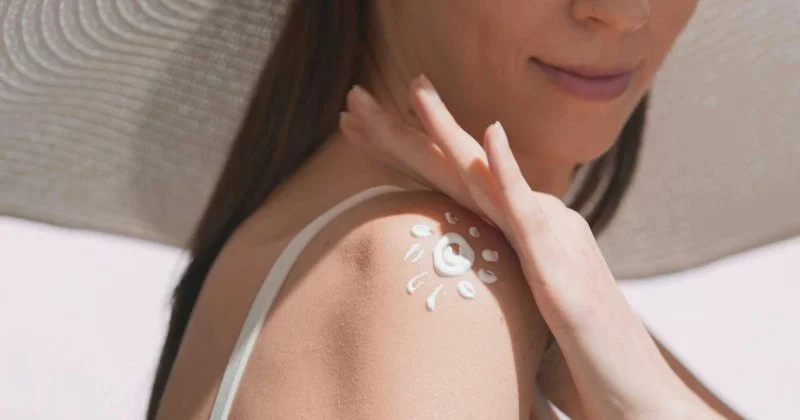
Understanding Sun Spots and Why They Appear on the Skin Over Time
- - causes of sun spots and how UV exposure triggers hyperpigmentation
- - role of melanin production and uneven skin tone development
- - step-by-step skincare routine for fading dark patches effectively
- - real-life cases of sun damage recovery and long-term skin improvement
- - ingredient breakdown for treating pigmentation safely and effectively
- - professional dermatology insights and prevention strategies for lasting results
Why Sun Spots Become More Visible Over Time and What They Really Mean
When people search for How to Treat Sun Spots with the Right Skin Care Routine, they are usually dealing with one of the most common signs of long-term sun exposure: hyperpigmentation. Sun spots, also known as age spots or solar lentigines, appear when the skin produces excess melanin in response to UV damage.
These spots are not harmful in most cases, but they are persistent and often become more noticeable with age. They tend to appear on areas frequently exposed to sunlight such as the face, hands, shoulders, and arms.
How UV exposure slowly changes skin behavior
UV radiation penetrates the skin and stimulates melanocytes, the cells responsible for pigment production. Over time, repeated exposure causes uneven melanin distribution, resulting in visible dark patches.
In cities with high sun exposure like Los Angeles, Phoenix, and Miami, dermatologists frequently observe early pigmentation changes even in individuals in their late twenties or early thirties.
Main Causes Behind Sun Spots and Hidden Contributing Factors
To fully understand How to Treat Sun Spots with the Right Skin Care Routine, it is essential to identify not only sun exposure but also additional factors that worsen pigmentation over time.
Chronic UV exposure without proper SPF protection
The most direct cause is prolonged exposure to UVA and UVB rays without consistent sunscreen use. Even short daily exposures, such as walking outdoors or driving, accumulate over time and contribute to pigmentation changes.
Hormonal changes and skin sensitivity
Hormonal fluctuations can make the skin more reactive to sunlight. This is often observed during pregnancy or periods of hormonal imbalance, where pigmentation becomes more pronounced.
Inflammation from acne or irritation
Post-inflammatory hyperpigmentation is another major contributor. When acne heals, it can leave behind dark marks that resemble sun spots, especially in medium to deeper skin tones.
A Real-Life Case: Gradual Sun Damage Reversal Over One Year
A skincare enthusiast from San Diego shared a realistic journey related to How to Treat Sun Spots with the Right Skin Care Routine. Years of beach lifestyle and minimal sunscreen use led to visible sun spots across her cheeks and forehead.
Initial frustration and common mistakes
At first, she attempted aggressive exfoliation and multiple strong acids, hoping for fast results. Instead, her skin became irritated, and pigmentation appeared even more uneven.
What eventually worked for her skin
The turning point came when she simplified her routine to focus on three pillars: daily sunscreen use, vitamin C serum in the morning, and a gentle retinol at night. Within several months, her skin tone began to gradually even out.
This case highlights a common truth: consistency matters more than intensity when treating sun damage.
Building the Right Skin Care Routine for Sun Spot Reduction
A structured approach is essential when learning How to Treat Sun Spots with the Right Skin Care Routine. Effective treatment requires patience, layering, and proper ingredient selection rather than aggressive over-treatment.
Morning routine focused on protection and brightening
The morning routine should prioritize antioxidant protection and UV defense. Vitamin C serum is commonly used because it helps neutralize free radicals and brighten uneven skin tone.
Sunscreen with broad-spectrum SPF is the most important step. Without it, no treatment can effectively reduce sun spots, as new damage continues to form.
Evening routine focused on repair and renewal
At night, the skin enters a natural repair phase. Ingredients like retinol support cell turnover, helping fade pigmentation gradually over time.
Hydrating moisturizers help reduce irritation and maintain barrier strength during this renewal process.
Ingredient Science Behind Effective Sun Spot Treatment
Understanding How to Treat Sun Spots with the Right Skin Care Routine requires knowledge of ingredients that directly influence melanin production and skin regeneration.
Vitamin C as a brightening antioxidant
Vitamin C helps reduce oxidative stress caused by UV exposure. It also inhibits excess melanin production, making it a key ingredient in pigmentation correction routines.
Retinoids for skin cell turnover
Retinol and retinoid derivatives accelerate skin renewal, allowing pigmented cells to be replaced more quickly with healthier skin cells.
Niacinamide for tone correction and barrier support
Niacinamide helps reduce uneven pigmentation while strengthening the skin barrier, making it less reactive to environmental stressors.
Common Mistakes That Slow Down Sun Spot Fading
Many people struggle with How to Treat Sun Spots with the Right Skin Care Routine because they unintentionally hinder progress through incorrect habits.
Inconsistent sunscreen use
Skipping sunscreen or applying it only on sunny days allows ongoing UV damage, which cancels out treatment progress.
Over-exfoliation and skin irritation
Excessive use of acids or scrubs can damage the skin barrier, leading to inflammation and even darker pigmentation.
Expecting instant results
Sun spots develop over years, so expecting rapid disappearance often leads to disappointment and routine abandonment.
Environmental Factors That Influence Pigmentation Severity
External conditions play a major role in How to Treat Sun Spots with the Right Skin Care Routine. Even with proper skincare, environmental exposure continues to impact skin health.
High UV index regions and daily exposure
Living in sunny climates significantly increases cumulative UV damage. Even cloudy days allow UV penetration through the atmosphere.
Indoor lighting and incidental exposure
Long hours near windows or driving can expose skin to UVA rays, which contribute to long-term pigmentation changes.
Professional Dermatology Insights for Long-Term Skin Clarity
Dermatologists emphasize that How to Treat Sun Spots with the Right Skin Care Routine is not about quick fixes but long-term skin management.
Combination treatments for persistent pigmentation
In clinical settings, treatments such as chemical peels, laser therapy, and prescription-strength retinoids may be used alongside skincare routines for faster improvement.
Importance of maintenance after improvement
Even after sun spots fade, continued sun protection is necessary to prevent recurrence. Without maintenance, pigmentation often returns.
How Daily Habits Influence Skin Pigmentation Over Time
Skincare alone is not enough when addressing How to Treat Sun Spots with the Right Skin Care Routine. Lifestyle habits play a critical role in long-term results.
Sleep quality, hydration, and diet all influence skin regeneration and inflammation levels. Antioxidant-rich foods such as berries, leafy greens, and nuts help support skin recovery from within.
Why Consistency Is the Most Powerful Treatment Strategy
Sun spots cannot be reversed overnight. The most successful approach to How to Treat Sun Spots with the Right Skin Care Routine is consistency over time.
Small daily actions—applying sunscreen, using brightening serums, and maintaining a gentle skincare routine—accumulate into visible improvements over months.
For those seeking structured routines, ingredient guidance, and dermatologist-informed skincare strategies, SkinCare Experts provides curated resources designed to help users build effective long-term skincare habits.
Building Clearer Skin Through Patient, Structured Care
Sun spots are a visible reminder of past UV exposure, but they are also highly manageable with the right approach. By combining protection, repair, and consistency, skin can gradually regain a more even and healthy appearance.
The key takeaway from How to Treat Sun Spots with the Right Skin Care Routine is that real transformation comes from steady, intelligent care—not aggressive or rushed treatment strategies.


 Skin Love Arizona5.0 (80 reviews)
 Lenore Crosson, DNP, APRN, DCNP5.0 (14 reviews)
 Alto Studio5.0 (23 reviews)
 Selis Skin & Beauty5.0 (2 reviews)
 CENTRO DDL BIOESTÉTICA INTEGRAL4.0 (44 reviews)
 Plushe Aesthetics4.0 (16 reviews)
 Expert Advice on Puffy Eyes in People Over 40
 Daily Skin Care Routine for Dark Circles in People Living in Dry Climates
 Skin Care Tips for Facial Oils That Help Improve Large Pores
 How to Avoid Skin Damage from Extreme Weather Conditions: Expert Tips for Healthy Skin
 How To Repair Scars In People Over 40
 Daily Skin Care Routine for Moisturizer to Improve Rosacea: Tips and Guide