
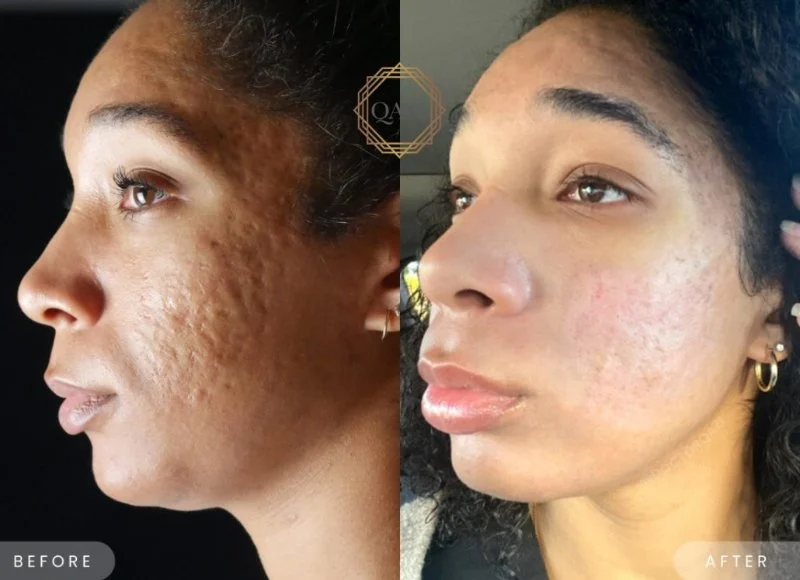
- why-scars-change-with-age-and-their-impact-over-40
- understanding-types-of-scars-and-their-behavior-in-aging-skin
- targeted-skincare-ingredients-to-repair-scars-over-40
- treatments-that-work-for-mature-skin
- personal-story-scar-repair-success-after-45
- building-a-realistic-scar-care-routine-after-40
1. Why Scars Change With Age and Their Impact Over 40
Scars don’t just fade or disappear as we age—they evolve. After 40, the skin produces less collagen and elastin, which means scars may become more prominent or take longer to heal. Older skin also thins, making atrophic (depressed) scars appear deeper, while post-inflammatory hyperpigmentation can last much longer than it did in youth. For many, this becomes both a cosmetic concern and an emotional burden.
2. Understanding Types of Scars and Their Behavior in Aging Skin
Not all scars respond the same way to treatment. Hypertrophic scars may remain raised for years, while ice-pick or boxcar acne scars tend to look more severe on thinning skin. After 40, hormonal fluctuations also affect how your skin repairs itself. Identifying the type of scar—be it surgical, acne-related, or traumatic—is key to finding the most effective repair strategy.
3. Targeted Skincare Ingredients to Repair Scars Over 40
When it comes to mature skin, not every “miracle” cream will work. Instead, look for products with these science-backed ingredients:
Retinoids: Boost cell turnover and collagen production, essential for scar remodeling. Over-the-counter retinol is great, but some people may need prescription-strength tretinoin.
Vitamin C: Brightens discoloration and supports new collagen synthesis.
Peptides and growth factors: Especially useful for skin over 40, they help repair the skin barrier and encourage scar tissue restructuring.
Niacinamide: Reduces redness and improves skin resilience.
You can explore options with these ingredients at SkinCare Experts, where curated formulations meet age-specific needs.
4. Treatments That Work for Mature Skin
In-office treatments can be highly effective when topicals alone aren’t enough:
Microneedling: Creates micro-injuries to stimulate collagen. Especially effective when combined with serums for deeper penetration.
Laser therapy: Fractional lasers work to break down scar tissue and resurface the skin.
Chemical peels: Tailored for mature skin, these exfoliate and encourage regeneration of healthy tissue.
Dermal fillers: Used to plump depressed scars, though they are a temporary solution.
It’s important to consult with a dermatologist familiar with aging skin. They can help you decide whether a combination therapy is best.
5. Personal Story: Scar Repair Success After 45
Maria, 47, had an acne scar on her cheek that had bothered her since her 20s. She’d tried fading creams in the past, but nothing worked long-term. After reading about microneedling on SkinCare Experts, she consulted a professional and paired monthly treatments with a nightly retinol serum. Within six months, not only had her scar softened, but the surrounding skin looked noticeably younger. “I didn’t expect a scar treatment to improve my overall skin so much,” she said. “It gave me back confidence I didn’t realize I’d lost.”
6. Building a Realistic Scar Care Routine After 40
Consistency is key. Start with a gentle cleanser and follow up with a vitamin C serum in the morning, retinol at night, and SPF daily. Layering a peptide-rich moisturizer can seal in hydration and encourage skin repair. Don’t expect overnight miracles—true change can take weeks or even months—but persistence pays off. Keep a photo diary to track changes, and don’t hesitate to reach out to skincare professionals or browse tailored products at SkinCare Experts that are made specifically for scar care in aging skin.



 ProSkin5.0 (20 reviews)
 Especially Aesthetic0.0 (0 reviews)
 Cameron Dermatology4.0 (572 reviews)
 LillyFace Premium Skin Care5.0 (1 reviews)
 Wake Up & Make Up By Ann Located in own building4.0 (13 reviews)
 Tampa Bay Laser Lipo4.0 (55 reviews)
 Daily Skin Care Routine for Dark Circles in People Living in Dry Climates
 How to Avoid Oily Skin in People with Sensitive Skin – Dermatologist Tips & Daily Skincare Guide
 How To Soothe Cleansers to Improve Inflamed Skin Naturally and Effectively
 How to Deal with Uneven Skin Tone Using Natural Remedies
 Daily Skin Care Routine For Dull Skin In People With Sensitive Skin
 How To Soothe Redness Using Natural Remedies