
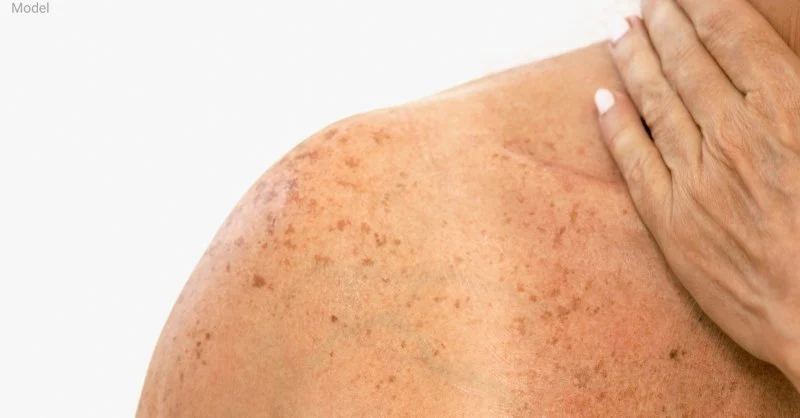
How To Choose The Right Sun Damage Treatment For People With Dry Skin
- 1. Understanding Sun Damage
- 2. Why Dry Skin Needs Special Attention
- 3. Treatment Options for Sun Damage on Dry Skin
- 4. Prevention Tips for Dry Skin
- 5. When to Consult a Skin Expert
1. Understanding Sun Damage
Sun damage occurs when the skin is exposed to ultraviolet (UV) rays for extended periods, causing harm to the skin cells. Over time, this damage can lead to sunburns, dark spots, premature aging, and even skin cancer. The effects of sun damage are cumulative, meaning they build up over years, and dry skin is more susceptible to these effects.
While everyone is at risk of sun damage, individuals with dry skin may experience more severe effects, as their skin is already prone to irritation and dehydration. Therefore, it is essential to treat sun damage on dry skin carefully and select the right products and treatments for effective healing and protection.
2. Why Dry Skin Needs Special Attention
Dry skin is more vulnerable to irritation and inflammation, making it more susceptible to damage from UV rays. People with dry skin often lack sufficient moisture in their skin cells, which leads to a weakened skin barrier. This makes it harder for the skin to repair itself after sun exposure, and it may also result in peeling or cracking after sunburns.
Moreover, dry skin can have a reduced ability to retain moisture, meaning that sun-damaged areas of the skin may heal more slowly. For this reason, people with dry skin need to be extra cautious about their sun exposure and use treatments that both hydrate and repair the skin effectively.
3. Treatment Options for Sun Damage on Dry Skin
When choosing treatments for sun damage on dry skin, it is important to select products and methods that both repair the damage and hydrate the skin. Here are some of the most effective treatments:
1. Moisturizing Sunscreen
One of the best ways to prevent and treat sun damage on dry skin is by using a hydrating sunscreen. Look for sunscreens that contain ingredients like aloe vera, hyaluronic acid, or ceramides, which help lock in moisture while protecting against UV rays. Sunscreen with a broad-spectrum SPF of at least 30 is essential for protecting dry skin from further damage.
2. Hydrating Serums and Creams
After sun exposure, apply a hydrating serum or cream that contains soothing ingredients like hyaluronic acid, vitamin E, and glycerin. These ingredients help replenish lost moisture and promote skin healing. Products with antioxidants like vitamin C can also help reverse some of the oxidative damage caused by UV exposure.
3. Gentle Exfoliation
Gentle exfoliation can help remove dead skin cells caused by sunburn or dried-out skin, allowing new skin to regenerate. Use a mild exfoliant, such as an enzyme-based scrub, or a chemical exfoliator like AHAs (alpha hydroxy acids). Avoid harsh physical exfoliants, as these can irritate dry skin further.
4. Aloe Vera and Natural Remedies
Aloe vera is a well-known natural remedy for soothing sunburned skin. Apply fresh aloe vera gel or an aloe vera-based product to your dry skin to cool and hydrate it. Additionally, products containing chamomile and green tea can provide anti-inflammatory benefits and reduce redness and irritation.
4. Prevention Tips for Dry Skin
Prevention is key to avoiding long-term sun damage on dry skin. Here are some tips to help protect your skin:
1. Stay Hydrated
Drinking plenty of water throughout the day helps keep your skin hydrated from the inside out. Make sure to hydrate your skin after sun exposure by using moisturizers that are specifically designed for dry skin.
2. Use a Wide-Brimmed Hat
Whenever possible, shield your face and neck from direct sunlight by wearing a wide-brimmed hat. This provides extra protection for the sensitive skin in these areas, especially during peak sun hours.
3. Avoid Peak Sun Hours
The sun’s rays are the strongest between 10 a.m. and 4 p.m. If possible, limit your sun exposure during these hours, and always apply sunscreen before heading outside.
4. Reapply Sunscreen Regularly
Even if you’re using sunscreen, reapply it every two hours or more frequently if swimming or sweating. Choose a water-resistant sunscreen for longer-lasting protection.
5. When to Consult a Skin Expert
If you experience severe sunburn or prolonged dryness that doesn’t improve with over-the-counter treatments, it may be time to consult a dermatologist or skincare expert. They can assess the extent of sun damage and recommend prescription treatments or more advanced therapies, such as chemical peels, to repair the skin.
Additionally, if you notice signs of more serious skin issues, such as uneven skin tone, dark spots, or persistent redness, it’s important to seek professional advice to ensure there is no underlying skin condition that requires medical attention.
If you're looking for tailored skincare advice and product recommendations for dry skin, visit SkinCare Experts for professional advice and high-quality products that help treat sun damage effectively and safely.
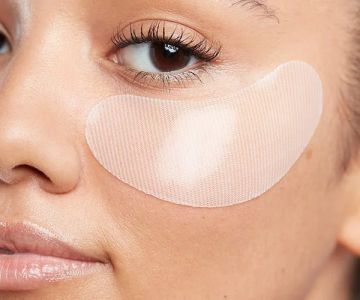
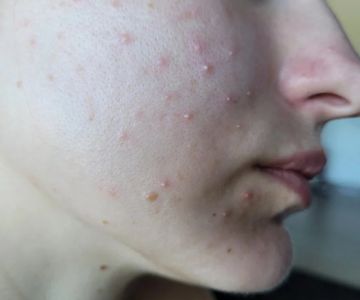




 GLO30 National Landing4.0 (218 reviews)
 Linda Lee Skin Care & Natural Nails5.0 (2 reviews)
 Carson Skin Rejuvenation5.0 (13 reviews)
 Charm's Aesthetics, LLC5.0 (5 reviews)
 Skin By Candace4.0 (13 reviews)
 Epiphany Dermatology4.0 (1746 reviews)
 How To Boost Your Skin's Sensitive Skin In People Living In Humid Climates
 How To Repair Scars In People Over 40
 How To Brighten Sun Damage Effectively
 Top Tips for Fine Lines in Women: How to Manage and Reduce Them
 How To Reduce Dull Skin With A Simple Routine | Skincare Tips for Radiance
 How To Use Inflamed Skin Treatments for People with Combination Skin