
- 1. Understanding Acne
- 2. The Causes of Acne
- 3. Treatment Options for Acne
- 4. Acne Prevention Tips
- 5. Lifestyle Factors That Affect Acne
1. Understanding Acne
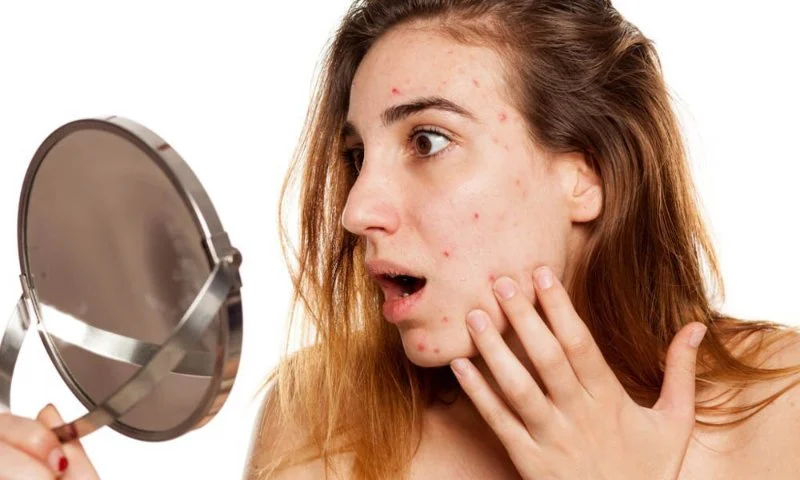
Acne is a common skin condition that affects many people, particularly teenagers, but it can affect individuals of all ages. It occurs when hair follicles are clogged with oil, dead skin cells, and sometimes bacteria. These clogged pores can result in pimples, blackheads, whiteheads, cysts, or nodules, which are typically seen on the face, chest, back, and shoulders.
Understanding the science behind acne is crucial for treating and managing it effectively. Acne develops when the sebaceous (oil) glands in the skin produce excess oil, which combines with dead skin cells to block hair follicles. This creates an ideal environment for bacteria to thrive, leading to inflammation and breakouts.
2. The Causes of Acne
Several factors contribute to the development of acne, and while some are unavoidable, others can be managed. Here are the primary causes:
- Hormonal Changes: Hormonal fluctuations, particularly during puberty, menstruation, pregnancy, and certain medications, can increase oil production and trigger acne.
- Excess Oil Production: Overactive sebaceous glands contribute to the clogging of pores, leading to acne.
- Bacterial Growth: The bacterium Propionibacterium acnes (P. acnes) plays a significant role in the formation of acne. These bacteria thrive in blocked pores and cause inflammation.
- Clogged Pores: Dead skin cells and excess oil that accumulate inside hair follicles lead to the formation of pimples and acne lesions.
- Genetics: Acne can run in families, suggesting a genetic predisposition to the condition.
- Diet and Lifestyle: High-glycemic foods and dairy may exacerbate acne, as well as lifestyle factors such as stress and inadequate sleep.
3. Treatment Options for Acne
There are various treatments available to manage acne, ranging from over-the-counter products to professional medical interventions. The right treatment depends on the severity of your acne and your skin type. Here are some common treatment options:
- Topical Treatments: Over-the-counter acne treatments containing ingredients like benzoyl peroxide, salicylic acid, and retinoids are commonly used to reduce breakouts and prevent future ones.
- Oral Medications: In cases of moderate to severe acne, oral antibiotics or hormonal treatments such as birth control pills may be prescribed to control acne-causing bacteria and hormones.
- Professional Treatments: Dermatologists may offer treatments like chemical peels, laser therapy, or light therapy to reduce acne inflammation and promote skin healing.
- Prescription Medications: For severe acne, medications like oral isotretinoin (Accutane) may be used. This powerful treatment works by reducing oil production and preventing new breakouts.
4. Acne Prevention Tips
Prevention is key to managing acne, especially for those prone to frequent breakouts. Here are some helpful tips to prevent acne:
- Cleanse Gently: Use a mild, non-comedogenic cleanser to wash your face twice daily. Avoid scrubbing too harshly, as this can irritate your skin and worsen acne.
- Avoid Touching Your Face: Keep your hands away from your face, as touching or picking at your skin can introduce bacteria and worsen acne.
- Moisturize Regularly: Even if you have oily skin, it's essential to use an oil-free moisturizer to maintain skin hydration and prevent excess oil production.
- Use Non-Comedogenic Makeup: Choose makeup products that are labeled "non-comedogenic" to avoid clogging your pores.
- Stay Hydrated: Drinking plenty of water helps to flush toxins out of your body and keeps your skin hydrated and healthy.
5. Lifestyle Factors That Affect Acne
Several lifestyle factors can have a significant impact on your skin's health and acne development. Here are a few key factors to consider:
- Diet: High-glycemic foods (such as sugary snacks and processed carbohydrates) can cause blood sugar spikes and trigger acne. A diet rich in fruits, vegetables, and whole grains can help support healthy skin.
- Stress: Stress increases the production of hormones like cortisol, which can contribute to acne flare-ups. Regular exercise, meditation, and stress management techniques can help alleviate stress and improve skin health.
- Sleep: Lack of sleep can negatively affect skin regeneration, leading to acne and other skin issues. Aim for 7-9 hours of sleep each night to promote healthy skin.
If you're looking for expert advice on managing acne and improving your skin health, visit SkinCare Experts for personalized recommendations and the best skin care products.


 GLO30 National Landing4.0 (218 reviews)
 Linda Lee Skin Care & Natural Nails5.0 (2 reviews)
 Carson Skin Rejuvenation5.0 (13 reviews)
 Charm's Aesthetics, LLC5.0 (5 reviews)
 Skin By Candace4.0 (13 reviews)
 Epiphany Dermatology4.0 (1746 reviews)
 How To Boost Your Skin's Sensitive Skin In People Living In Humid Climates
 How To Repair Scars In People Over 40
 How To Brighten Sun Damage Effectively
 Top Tips for Fine Lines in Women: How to Manage and Reduce Them
 How To Reduce Dull Skin With A Simple Routine | Skincare Tips for Radiance
 How To Use Inflamed Skin Treatments for People with Combination Skin