
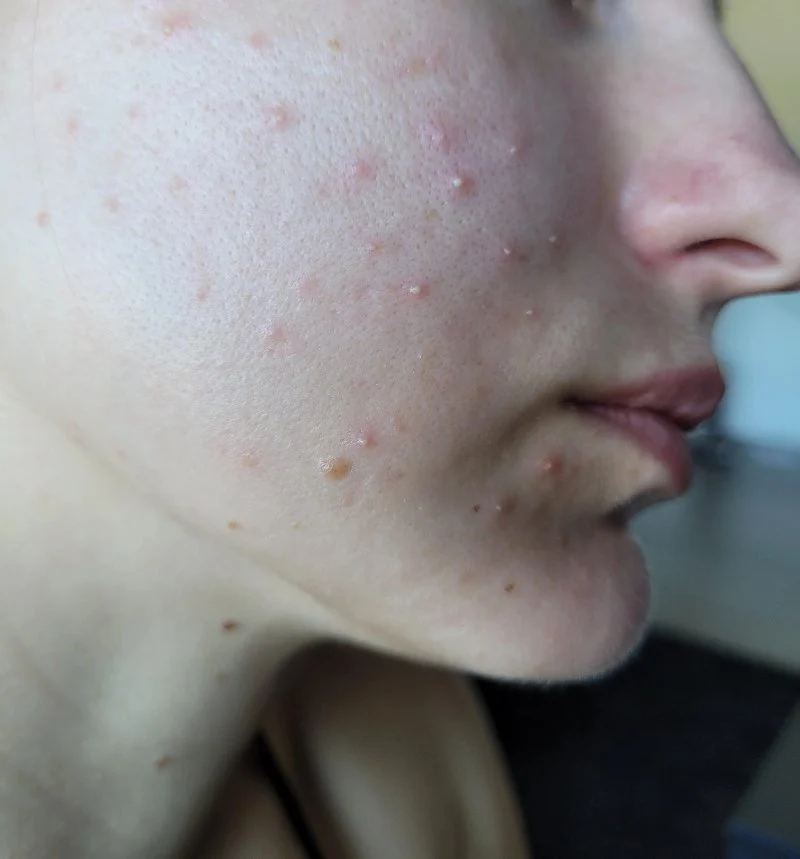
- - Understanding Sensitive Skin and Whiteheads
- - Causes of Whiteheads on Sensitive Skin
- - Skincare Tips for Managing Whiteheads
- - Effective Products for Sensitive Skin with Whiteheads
- - Lifestyle Changes for Healthy Skin
1. Understanding Sensitive Skin and Whiteheads
Sensitive skin is a common condition that can be prone to irritation, redness, and inflammation. For many people, sensitive skin also means a tendency to break out in whiteheads. Whiteheads, a type of acne, form when pores become clogged with excess oil, dead skin cells, and bacteria. These small, white bumps can appear on any part of the face or body and may be particularly challenging for those with sensitive skin. In this article, we'll discuss effective strategies to manage whiteheads on sensitive skin and provide tips to prevent future breakouts.
2. Causes of Whiteheads on Sensitive Skin
Whiteheads occur when pores become blocked, preventing the skin's natural oils from being expelled. For those with sensitive skin, this process is often exacerbated by several factors, including:
2.1 Excess Oil Production
Sensitive skin can often be drier than other skin types, but when it produces too much oil, pores can quickly become clogged, leading to whiteheads. It’s crucial to find a balance between moisturizing and avoiding overactive oil production.
2.2 Harsh Skincare Products
Certain skincare products, especially those with strong fragrances or irritating chemicals, can aggravate sensitive skin. These harsh ingredients may inflame the skin and increase the likelihood of clogged pores and whitehead formation.
2.3 Hormonal Imbalances
Hormonal changes, such as those during puberty, pregnancy, or menstruation, can also lead to increased oil production, contributing to whitehead development. This is common among individuals with sensitive skin and can worsen the condition if not addressed properly.
2.4 Environmental Stressors
Pollution, extreme weather, and exposure to sun can also irritate sensitive skin, making it more prone to whiteheads. Protecting the skin from these external factors is essential in maintaining clear skin.
3. Skincare Tips for Managing Whiteheads
3.1 Gentle Cleansing
One of the most important aspects of skincare for sensitive skin with whiteheads is to use a gentle, non-comedogenic cleanser. Harsh cleansers can strip the skin of its natural oils, which can lead to more irritation and worsen whiteheads. Opt for a mild, fragrance-free cleanser that won’t irritate the skin but will effectively cleanse away dirt and excess oil.
3.2 Exfoliate Carefully
Exfoliation can help remove dead skin cells that may clog pores. However, it’s important to use gentle exfoliators, such as mild chemical exfoliants with AHAs or BHAs. Physical scrubs with large, rough particles should be avoided, as they can cause microtears in sensitive skin and lead to inflammation.
3.3 Moisturize Regularly
Even though you may have whiteheads, moisturizing is still a crucial step for sensitive skin. Look for a lightweight, oil-free moisturizer to help hydrate without clogging pores. Moisturizing helps balance the skin's oil production and strengthens the skin barrier, reducing irritation.
3.4 Spot Treatment
For those stubborn whiteheads, consider using spot treatments with ingredients like salicylic acid or benzoyl peroxide. These ingredients are effective in targeting clogged pores and reducing inflammation. However, it’s important to apply these treatments only to the affected areas to prevent further irritation to the rest of your face.
4. Effective Products for Sensitive Skin with Whiteheads
4.1 Non-Comedogenic Cleaners
Choose a gentle, non-comedogenic cleanser specifically designed for sensitive skin. Look for products that are fragrance-free and free from harsh chemicals that can irritate your skin. Some recommended options include:
- Neutrogena Ultra Gentle Daily Cleanser
- CeraVe Hydrating Cleanser
- La Roche-Posay Toleriane Purifying Foaming Cleanser
4.2 Exfoliators with AHAs or BHAs
When exfoliating sensitive skin, look for mild chemical exfoliants, like glycolic acid or salicylic acid, which work gently on the skin. Avoid harsh scrubs or physical exfoliants that could cause microtears. Recommended options include:
- The Ordinary Glycolic Acid 7% Toning Solution
- Paula’s Choice Skin Perfecting 2% BHA Liquid Exfoliant
4.3 Moisturizers with Soothing Ingredients
To keep your sensitive skin hydrated without clogging pores, opt for moisturizers with soothing ingredients like aloe vera, ceramides, and hyaluronic acid. Recommended options include:
- CeraVe Daily Moisturizing Lotion
- Avene Skin Recovery Cream
- Vanicream Moisturizing Cream
4.4 Targeted Treatment for Whiteheads
For those persistent whiteheads, targeted treatments like benzoyl peroxide or sulfur-based products can work effectively. However, use them sparingly and only on affected areas to avoid irritation. Some recommended products include:
- Clean & Clear Advantage Acne Spot Treatment
- Neutrogena On-the-Spot Acne Treatment
5. Lifestyle Changes for Healthy Skin
5.1 Healthy Diet
A healthy diet can significantly affect your skin's condition. Eating foods rich in antioxidants, omega-3 fatty acids, and vitamins A, C, and E can help reduce inflammation and improve your skin's overall health. Avoiding sugary foods and dairy may also help in managing acne and whiteheads.
5.2 Stress Management
Chronic stress can worsen acne and other skin conditions. Engaging in stress-reducing activities like yoga, meditation, or simply taking time for self-care can help improve your skin's appearance.
5.3 Adequate Sleep
Getting enough rest is essential for skin regeneration. Aim for 7-8 hours of sleep each night to allow your skin to repair itself. Poor sleep can contribute to hormonal imbalances that trigger acne and whiteheads.
Conclusion
Managing whiteheads on sensitive skin requires a careful and thoughtful approach. By using the right products, maintaining a gentle skincare routine, and incorporating healthy lifestyle habits, you can effectively reduce whiteheads and enjoy clearer skin. Remember to be patient with your skincare journey and always seek professional advice if needed. For more tips and product recommendations, visit SkinCare Experts.



 GLO30 National Landing4.0 (218 reviews)
 Linda Lee Skin Care & Natural Nails5.0 (2 reviews)
 Carson Skin Rejuvenation5.0 (13 reviews)
 Charm's Aesthetics, LLC5.0 (5 reviews)
 Skin By Candace4.0 (13 reviews)
 Epiphany Dermatology4.0 (1746 reviews)
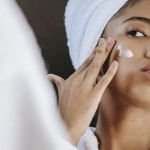 How To Boost Your Skin's Sensitive Skin In People Living In Humid Climates
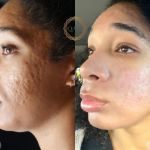 How To Repair Scars In People Over 40
 How To Brighten Sun Damage Effectively
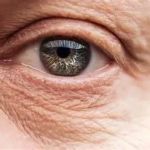 Top Tips for Fine Lines in Women: How to Manage and Reduce Them
 How To Reduce Dull Skin With A Simple Routine | Skincare Tips for Radiance
 How To Use Inflamed Skin Treatments for People with Combination Skin