
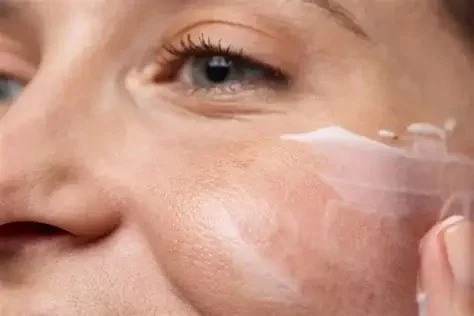
- Understanding Skin Dehydration - Causes and Signs
- Why Moisture Loss Happens
- Differences Between Dry and Dehydrated Skin
- Building a Hydration-Focused Routine
- Top Ingredients for Restoring Moisture
- Best Product Categories for Hydration
- Lifestyle Habits That Improve Skin Hydration
- Common Mistakes to Avoid
- Real-Life Example of Recovery
- Maintaining Long-Term Results
Understanding Skin Dehydration
Many people assume that dry skin and dehydrated skin are exactly the same thing. In reality, they are different conditions that require different approaches. Understanding this distinction is the first step in learning How to Treat Skin Dehydration and Restore Moisture with Top Products.
Skin dehydration occurs when the skin lacks water rather than oil. Even individuals with oily or combination skin can experience dehydration. The skin may appear dull, tired, rough, or more prone to fine lines. Makeup may settle unevenly, and the complexion can lose its natural glow.
Modern lifestyles contribute significantly to skin dehydration. Long hours in air-conditioned offices, frequent travel, inadequate water intake, environmental pollution, and excessive use of active skincare ingredients can all affect the skin's ability to retain moisture.
1. Common Symptoms
Recognizing dehydration early can prevent more serious skin concerns.
Fine Lines Become More Noticeable
Temporary dehydration lines often appear around the eyes, forehead, and mouth. These lines may seem deeper when the skin lacks adequate hydration.
Dull Appearance
Healthy skin reflects light naturally. Dehydrated skin often looks flat, tired, and less vibrant.
Tightness After Cleansing
If your face feels uncomfortable immediately after washing, dehydration may be a contributing factor.
Increased Sensitivity
Skin that lacks water can become more reactive to weather changes, skincare products, and environmental stressors.
Why Moisture Loss Happens
Many factors contribute to skin dehydration. Understanding these causes helps create a more effective treatment plan.
1. Environmental Conditions
Cold weather, low humidity, strong winds, and indoor heating systems can strip moisture from the skin. During winter, many people notice a sudden increase in dryness and irritation because the air contains less moisture.
2. Over-Exfoliation
Exfoliating products can improve skin texture, but excessive use may weaken the skin barrier. When the protective barrier becomes compromised, moisture escapes more easily.
3. Harsh Cleansers
Cleansers containing strong detergents can remove natural protective elements from the skin. While the face may feel squeaky clean, it may also become dehydrated.
4. Aging Process
As people age, the skin naturally produces fewer moisturizing factors. This makes maintaining hydration more challenging.
5. Lifestyle Factors
Poor sleep quality, excessive alcohol consumption, chronic stress, and insufficient hydration can all contribute to moisture imbalance.
Differences Between Dry and Dehydrated Skin
One of the biggest skincare misconceptions is confusing dry skin with dehydrated skin.
1. Dry Skin
Dry skin is a skin type characterized by insufficient oil production. Individuals with dry skin often experience flaking, roughness, and persistent dryness.
2. Dehydrated Skin
Dehydrated skin is a condition caused by a lack of water. Even oily skin can become dehydrated while still producing excess oil.
3. Why This Distinction Matters
Someone with dehydrated skin may mistakenly use heavy oils when the real need is water-binding ingredients. Proper diagnosis leads to more effective treatment and faster results.
Building a Hydration-Focused Routine
Restoring moisture requires consistency rather than expensive products alone. A strategic routine can significantly improve skin hydration over time.
1. Start With a Gentle Cleanser
The cleansing step sets the tone for the rest of the routine. Look for cleansers that remove dirt and makeup without stripping the skin.
Morning Cleansing
A mild cleanser or even a simple rinse may be sufficient for many individuals.
Evening Cleansing
Removing sunscreen, makeup, and pollutants thoroughly helps prepare the skin for hydration treatments.
2. Apply Hydrating Toners or Essences
Hydrating toners provide an initial layer of moisture. Unlike traditional alcohol-based toners, modern formulas are designed to support hydration.
3. Use Water-Binding Serums
Serums containing hydrating ingredients help draw water into the skin and improve overall moisture retention.
4. Seal Everything With Moisturizer
Moisturizers help lock hydration into the skin. This step is essential because hydration without protection can evaporate quickly.
5. Protect With Sunscreen
UV exposure contributes to moisture loss and barrier damage. Daily sunscreen use supports long-term skin health.
Top Ingredients for Restoring Moisture
Choosing products based on ingredients rather than marketing claims often leads to better outcomes.
1. Hyaluronic Acid
Hyaluronic acid is one of the most recognized hydrating ingredients in skincare. It helps attract water and improve skin plumpness.
Why It Works
Its moisture-binding properties can temporarily improve the appearance of fine lines caused by dehydration.
2. Glycerin
Glycerin is a powerful humectant that draws water into the outer layers of the skin.
3. Ceramides
Ceramides help repair the skin barrier and reduce moisture loss.
Barrier Support Benefits
A healthy barrier keeps hydration where it belongs—inside the skin.
4. Panthenol
Also known as provitamin B5, panthenol helps soothe irritation while supporting hydration.
5. Squalane
Squalane provides lightweight moisture and helps improve skin softness without feeling greasy.
6. Niacinamide
Niacinamide supports barrier function and helps improve overall skin resilience.
Best Product Categories for Hydration
When researching How to Treat Skin Dehydration and Restore Moisture with Top Products, it is helpful to focus on categories rather than chasing every trending product.
1. Hydrating Cleansers
These formulas cleanse while maintaining the skin's natural protective barrier.
2. Moisture-Rich Serums
Serums deliver concentrated hydration and can be layered under moisturizers.
3. Barrier Repair Creams
Barrier-supporting creams are especially beneficial for individuals experiencing persistent dehydration.
4. Overnight Masks
Sleeping masks can provide intensive hydration during the skin's natural repair cycle.
5. Facial Mists
While not a complete solution, facial mists can offer temporary comfort throughout the day.
Many skincare enthusiasts use resources such as SkinCare Experts to compare products, discover ingredient-focused recommendations, and learn about skincare solutions tailored to different skin concerns.
Lifestyle Habits That Improve Skin Hydration
Even the best skincare products cannot fully compensate for poor lifestyle habits.
1. Increase Water Intake
Although drinking water alone will not solve every skin concern, maintaining proper hydration supports overall skin function.
2. Improve Sleep Quality
Sleep is a critical period for skin repair and recovery. Chronic sleep deprivation often affects skin appearance.
3. Manage Stress
Stress can disrupt skin balance and contribute to various concerns, including dehydration.
4. Use a Humidifier
Adding moisture to indoor air can help reduce environmental dehydration, particularly during winter months.
5. Eat Moisture-Supportive Foods
Fruits, vegetables, and foods rich in healthy fats can contribute to healthier-looking skin.
Common Mistakes To Avoid
1. Using Too Many Active Ingredients
Combining multiple acids, retinoids, and exfoliants can overwhelm the skin and worsen dehydration.
2. Skipping Moisturizer Because of Oily Skin
Many people with oily skin avoid moisturizers. Unfortunately, this can increase dehydration and trigger additional oil production.
3. Chasing Trends Instead of Ingredients
Social media trends come and go. Focusing on proven ingredients often produces better long-term results.
4. Expecting Overnight Results
Skin barrier recovery takes time. Consistency is more important than rapid changes.
Real-Life Example of Recovery
A marketing professional in her early thirties experienced severe skin dehydration after months of frequent business travel. Long flights, hotel air conditioning, and inconsistent skincare habits left her skin looking dull and irritated.
Initially, she tried stronger exfoliants, believing her rough texture indicated a need for deeper cleansing. Instead, the problem worsened. After consulting skincare professionals, she simplified her routine, introduced hydrating serums with hyaluronic acid, added ceramide-rich moisturizers, and reduced exfoliation frequency.
Within six weeks, her skin appeared noticeably healthier. Fine dehydration lines softened, makeup applied more smoothly, and overall comfort improved. Her experience highlights the importance of treating the root cause rather than chasing temporary fixes.
Maintaining Long-Term Results
Achieving hydrated skin is only part of the journey. Maintaining results requires ongoing attention and adjustment based on seasonal changes, age, lifestyle, and environmental factors.
1. Evaluate Your Skin Regularly
Skin needs change throughout the year. Products that work well during summer may require adjustment during colder months.
2. Prioritize Barrier Health
A strong skin barrier is the foundation of long-term hydration. Supporting barrier function should remain a priority even after dehydration improves.
3. Balance Active Ingredients
Retinoids, exfoliating acids, and brightening products can remain part of a routine when used responsibly alongside hydration-focused products.
4. Stay Consistent
The most successful skincare routines are often simple, consistent, and tailored to individual needs.
Understanding How to Treat Skin Dehydration and Restore Moisture with Top Products begins with recognizing the signs of dehydration, choosing scientifically supported ingredients, and maintaining healthy daily habits. With the right combination of hydration-focused skincare, barrier-supporting products, and lifestyle improvements, it is possible to restore moisture, improve comfort, and achieve healthier-looking skin that feels resilient throughout the year.


 Absolut Beauti Bar5.0 (113 reviews)
 SËA Simple Beauty0.0 (0 reviews)
 LV Skin and Laser5.0 (24 reviews)
 Bare Skin and Wax5.0 (75 reviews)
 Skin and Lash Studio5.0 (21 reviews)
 New Image Dermatology4.0 (1282 reviews)
 How to Treat Hyperpigmentation Naturally with Home Remedies
 How To Heal Redness And How To Manage It: Tips and Treatments
 How to Achieve Perfect Skin with an Easy-to-Follow Skin Care Routine
 The Best Products for Treating and Preventing Skin Aging
 How to Achieve a Flawless Complexion: Top Skin Care Tips
 How To Soothe Sunscreen To Improve Large Pores | SkinCare Experts