
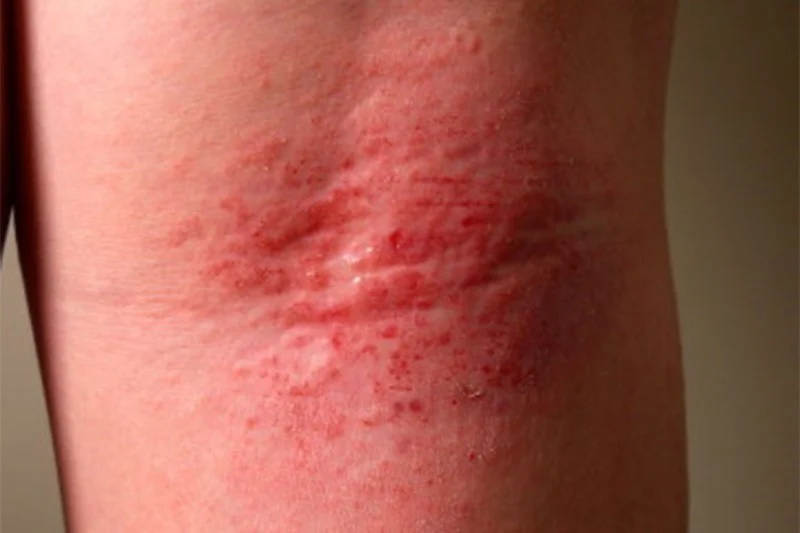
How To Heal Redness And How To Manage It
- 1. Understanding Skin Redness
- 2. Common Causes of Skin Redness
- 3. Effective Treatments for Skin Redness
- 4. Natural Ways to Manage Redness
- 5. Real-Life Experiences: Managing Skin Redness
1. Understanding Skin Redness
Skin redness is a common issue that many people face. It refers to the appearance of a reddish or inflamed area of the skin, which can be caused by various factors. Redness is often a sign that something is irritating or inflaming the skin, causing blood vessels to dilate and increase blood flow to the affected area. While it’s usually harmless, it can be uncomfortable or even embarrassing.
Understanding the causes of redness is crucial to effectively treating and managing it. In some cases, redness is temporary and will resolve on its own, but in others, it can be a sign of an underlying condition that requires professional treatment.
2. Common Causes of Skin Redness
There are several common causes of skin redness, ranging from minor irritations to more serious skin conditions. Some of the most common causes include:
1. Allergies
Allergic reactions to certain substances, such as skincare products, foods, or environmental factors like pollen, can cause redness. Allergic reactions often lead to inflammation, itching, and swelling.
2. Skin Irritations
Skin irritation from harsh chemicals, excessive sun exposure, or friction can result in temporary redness. This can occur when the skin becomes overexposed to environmental factors or products that irritate the skin.
3. Acne and Rosacea
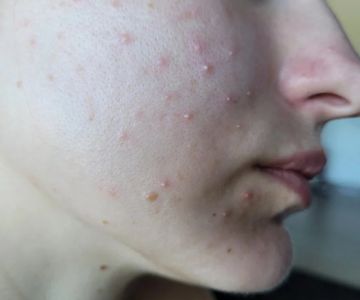
Conditions like acne and rosacea often cause redness. Acne can lead to inflammation and redness around pimples, while rosacea causes chronic redness and visible blood vessels, especially on the face.
4. Infections
Bacterial, viral, or fungal infections can cause localized redness and inflammation. Common infections like cellulitis or folliculitis result in red, swollen skin that may be warm to the touch.
5. Sunburn
Overexposure to the sun’s ultraviolet rays can damage the skin, leading to redness and peeling. Sunburn is a common cause of skin redness, especially during summer months when people spend more time outdoors.
3. Effective Treatments for Skin Redness
Depending on the cause of your skin redness, there are various treatments available. Here are some of the most effective treatments to alleviate redness:
1. Over-the-Counter Creams and Ointments
For minor skin irritations or redness caused by dryness or exposure to environmental factors, over-the-counter creams like hydrocortisone or calamine lotion can help soothe and reduce redness. These creams are easily available and effective for quick relief.
2. Prescription Medications
If redness is caused by more serious conditions like rosacea or an infection, a doctor may prescribe medications, such as topical antibiotics, retinoids, or oral medications to address the underlying cause.
3. Cold Compresses
Applying a cold compress to the affected area can help reduce inflammation and redness. This is particularly helpful for redness caused by sunburn, irritation, or allergic reactions.
4. Proper Skincare Routine
A gentle skincare routine using non-irritating products can prevent further redness and soothe the skin. Opt for fragrance-free, hypoallergenic products to avoid triggering irritation or allergic reactions.
4. Natural Ways to Manage Redness
If you're looking for natural remedies to manage skin redness, several home treatments can help soothe and calm your skin:
1. Aloe Vera
Aloe vera is well-known for its anti-inflammatory properties and is often used to treat sunburn and other skin irritations. Applying fresh aloe vera gel to the skin can help reduce redness and promote healing.
2. Chamomile
Chamomile has calming properties that can help reduce inflammation. A chamomile tea bag, when cooled, can be placed over the skin to alleviate redness and irritation.
3. Oatmeal Baths
Oatmeal is a natural anti-inflammatory agent. Taking an oatmeal bath or applying an oatmeal paste to the skin can help reduce redness caused by irritation or dryness.
4. Green Tea
Green tea contains antioxidants that can reduce inflammation and redness. Applying cooled green tea bags to the skin or using skincare products that contain green tea extract can be effective for calming redness.
5. Real-Life Experiences: Managing Skin Redness
Many individuals have shared their experiences with managing skin redness. For example, Emily, a 35-year-old woman, struggled with rosacea for years. After using prescribed medications and incorporating gentle skincare routines, she found significant improvement in her skin’s appearance. Emily also used aloe vera and chamomile compresses to manage flare-ups, which helped soothe her skin and reduce redness.
Another case is John, who developed redness and irritation after prolonged sun exposure. By using over-the-counter hydrocortisone cream and applying aloe vera gel regularly, John was able to alleviate his sunburn and minimize the redness. He now ensures he uses sunscreen and protective clothing when outdoors to prevent future occurrences.



 GLO30 National Landing4.0 (218 reviews)
 Linda Lee Skin Care & Natural Nails5.0 (2 reviews)
 Carson Skin Rejuvenation5.0 (13 reviews)
 Charm's Aesthetics, LLC5.0 (5 reviews)
 Skin By Candace4.0 (13 reviews)
 Epiphany Dermatology4.0 (1746 reviews)
 How To Boost Your Skin's Sensitive Skin In People Living In Humid Climates
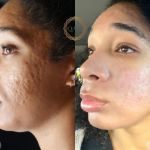 How To Repair Scars In People Over 40
 How To Brighten Sun Damage Effectively
 Top Tips for Fine Lines in Women: How to Manage and Reduce Them
 How To Reduce Dull Skin With A Simple Routine | Skincare Tips for Radiance
 How To Use Inflamed Skin Treatments for People with Combination Skin