

- 1-Understanding-Sun-Damage
- 2-Importance-of-UV-Protection
- 3-Daily-Skincare-Strategies-to-Prevent-Sun-Damage
- 4-Choosing-the-Right-Sunscreen
- 5-Protective-Clothing-and-Accessories
- 6-Lifestyle-Habits-That-Support-Skin-Health
- 7-Natural-Remedies-and-Soothing-Treatments
- 8-Monitoring-Your-Skin-and-Seeking-Expert-Advice
- 9-Real-Life-Success-Stories-of-Skin-Protection
- 10-Building-a-Long-Term-Sun-Protection-Routine
1. Understanding Sun Damage
Sun exposure is one of the leading causes of premature skin aging and skin cancer. The ultraviolet (UV) rays emitted by the sun can penetrate skin layers, causing oxidative stress, collagen breakdown, and pigmentation issues. While some sunlight is essential for vitamin D synthesis, unprotected exposure can lead to sunburns, dark spots, fine lines, and long-term DNA damage.
1.1 Types of UV Rays
UV radiation comes in two main forms: UVA and UVB. UVA rays penetrate deep into the skin and are primarily responsible for aging, wrinkles, and long-term damage. UVB rays are shorter, more intense, and cause sunburns. Understanding the difference is crucial for selecting the appropriate sun protection methods.
1.2 Factors Affecting Sun Damage
Several variables influence the severity of sun damage, including geographic location, altitude, time of day, and skin type. People with fair skin or lighter eye color are more susceptible, but all skin types can suffer cumulative damage over time.
2. Importance of UV Protection
UV protection is not just about preventing sunburn; it is essential for maintaining healthy, youthful skin. Regular exposure without protection can lead to increased risks of skin cancer, early aging, and uneven pigmentation. Implementing comprehensive sun protection measures ensures long-term skin health and beauty.
2.1 Sunscreen Application
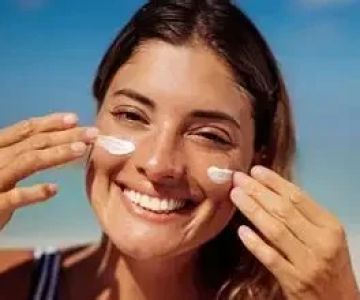
Using a broad-spectrum sunscreen is the most effective way to block harmful rays. SPF 30 or higher is recommended for daily use, even on cloudy days. Proper application requires applying sufficient amounts to all exposed skin areas and reapplying every two hours or after swimming or sweating.
2.2 Seeking Shade Strategically
When UV intensity peaks between 10 AM and 4 PM, staying under shade can significantly reduce exposure. Utilizing umbrellas, trees, or shelters helps minimize direct sunlight contact.
3. Daily Skincare Strategies to Prevent Sun Damage
Consistent skincare routines play a key role in preventing sun damage. Incorporating protective habits into your daily regimen can drastically improve skin health.
3.1 Moisturizers with SPF
Modern moisturizers often include SPF, providing hydration and sun protection simultaneously. Using them daily ensures a barrier against UV rays while maintaining skin elasticity and smoothness.
3.2 Antioxidant Serums
Serums rich in antioxidants like vitamin C or E help neutralize free radicals generated by sun exposure. These compounds reduce oxidative stress, support collagen production, and minimize pigmentation.
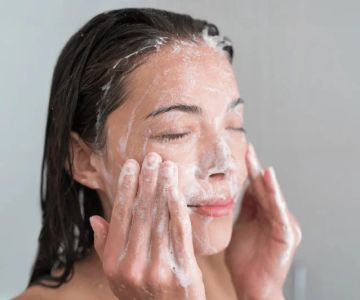
3.3 Gentle Cleansing
After exposure to sunlight, cleansing removes residual sweat, pollutants, and free radicals from the skin surface. Gentle, non-stripping cleansers are ideal for maintaining the skin barrier.
4. Choosing the Right Sunscreen
Selecting an effective sunscreen involves understanding SPF, UVA/UVB protection, water resistance, and formulation type. Creams, gels, and sprays offer different benefits depending on skin type and activity level.
4.1 SPF Ratings Explained
SPF, or Sun Protection Factor, indicates how long your skin can resist UVB exposure compared to no protection. For example, SPF 30 theoretically allows you to stay in the sun 30 times longer without burning than unprotected skin.
4.2 Physical vs. Chemical Sunscreens
Physical sunscreens contain minerals like zinc oxide or titanium dioxide that reflect UV rays, while chemical sunscreens absorb UV radiation. Choosing the right type depends on skin sensitivity, preferences, and intended activities.
5. Protective Clothing and Accessories
Clothing, hats, and sunglasses enhance sun protection. Lightweight, long-sleeved garments, wide-brimmed hats, and UV-blocking eyewear reduce direct exposure and shield sensitive areas.
5.1 UPF Clothing
UPF-rated fabrics are specifically designed to block UV rays. Investing in clothing with a high UPF rating ensures an additional layer of defense beyond sunscreen.
5.2 Accessories for Vulnerable Areas
Neck scarves, gloves, and protective eyewear safeguard areas that are often overlooked but highly susceptible to sun damage.
6. Lifestyle Habits That Support Skin Health
Beyond topical protection, lifestyle habits significantly influence skin resilience.
6.1 Balanced Diet
Consuming antioxidants, omega-3 fatty acids, and vitamins supports skin repair and hydration. Foods like berries, nuts, leafy greens, and fatty fish contribute to a skin-friendly diet.
6.2 Adequate Hydration
Water intake maintains skin moisture, elasticity, and detoxification, reducing the visible effects of sun exposure.
6.3 Avoiding Smoking and Excessive Alcohol
These habits accelerate skin aging and weaken the natural barrier, making it more susceptible to UV-induced damage.
7. Natural Remedies and Soothing Treatments
In case of minor sun exposure, natural remedies can calm inflammation and promote healing.
7.1 Aloe Vera
Aloe vera gel has cooling and moisturizing properties that soothe sunburned skin and support recovery.
7.2 Green Tea Extracts
Topical green tea or antioxidant-rich masks can reduce redness and oxidative stress while nourishing the skin.
8. Monitoring Your Skin and Seeking Expert Advice
Regular skin checks and professional guidance are essential. Early detection of irregular moles or lesions can prevent serious complications.
8.1 Self-Exams
Monthly checks for new or changing spots help identify potential issues. Documenting findings with photos can track changes over time.
8.2 Dermatologist Consultations
Annual visits to a dermatologist ensure proper evaluation, guidance on sun protection, and tailored skincare recommendations. SkinCare Experts can provide expert advice and products to support healthy skin maintenance.
9. Real-Life Success Stories of Skin Protection
Many individuals have successfully avoided severe sun damage by consistently applying sun protection strategies. For example, a professional swimmer shared how adopting a rigorous sunscreen routine, wearing UPF clothing, and using antioxidant serums significantly reduced pigmentation and premature aging over ten years.
9.1 Lessons from Consistent Protection
Real stories highlight that small daily habits—reapplying sunscreen, covering exposed areas, and monitoring skin—can have a lasting impact on long-term skin health.
10. Building a Long-Term Sun Protection Routine
Maintaining healthy skin is a lifelong commitment. By integrating daily SPF use, protective clothing, antioxidant-rich skincare, and lifestyle adjustments, anyone can minimize sun damage and promote vibrant skin.
10.1 Incorporate Products That Support Skin Health
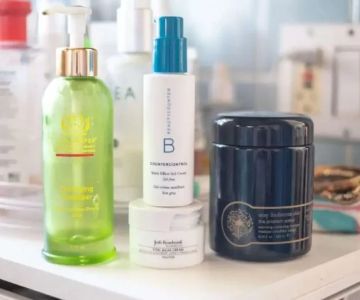
Choosing high-quality sunscreens, serums, and moisturizers tailored to your skin type is essential. SkinCare Experts provides trusted products and guidance to help build an effective, personalized routine.
10.2 Make Protection a Habit
Consistency is key. Protecting your skin every day, regardless of the season, ensures cumulative benefits that reflect in reduced aging signs, healthier skin tone, and overall skin resilience.
By combining knowledge, preventive measures, and professional advice, anyone can avoid sun damage and keep their skin healthy for years to come. Implementing these strategies not only safeguards your appearance but also reduces long-term health risks, making sun protection a cornerstone of daily skincare.

 Skincare by Ama5.0 (14 reviews)
 Skin by Von5.0 (31 reviews)
 Pan Dermatology, PC3.0 (22 reviews)
 Indy Esthetics | Skin Studio5.0 (3 reviews)
 Enkaya Skin Concierge5.0 (12 reviews)
 Skin works by Mindy0.0 (0 reviews)
 Natural Remedies for Toners to Soothe Inflamed Skin
 How to Achieve Youthful, Radiant Skin with Simple Skincare Tips
 How to Choose the Right Face Oil for Your Skin Type
 Natural Remedies For Oily Skin Using Natural Remedies That Truly Work
 Whitehead Prevention and Treatment for Oily Skin
 How To Soothe Cleansers To Improve Inflamed Skin Safely and Effectively