
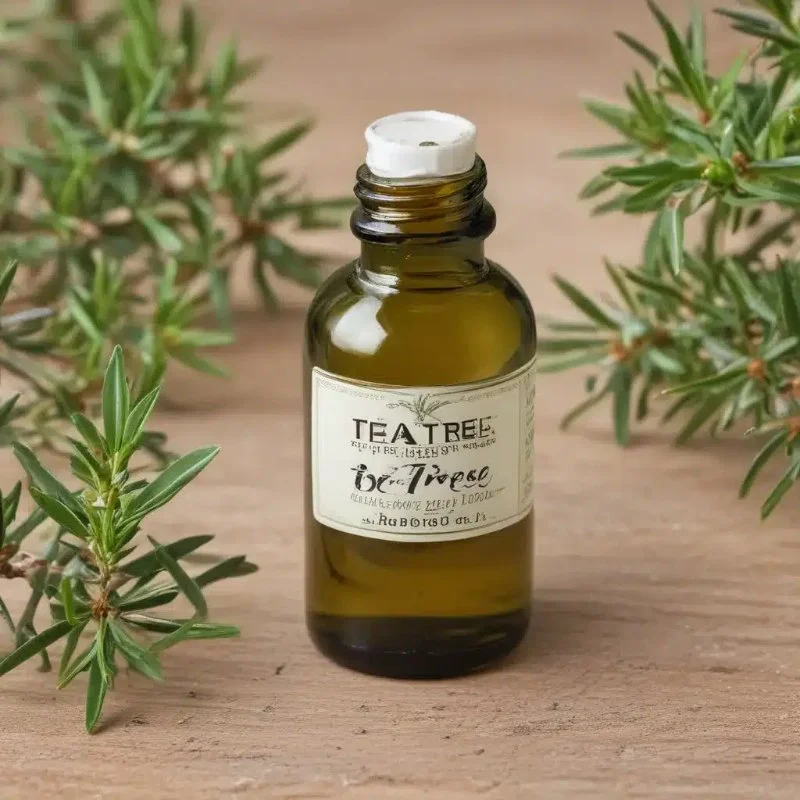
- understanding-acne - the causes and types of acne that tea tree oil can target
- benefits-tea-tree-oil - why tea tree oil is effective for acne treatment
- how-to-apply - step-by-step guidance for using tea tree oil safely
- precautions-and-mistakes - common errors to avoid and skin safety tips
- real-life-experiences - stories and case studies showing results
- supporting-skincare-routine - complementary products and practices to maximize results
- where-to-buy - recommendations for sourcing high-quality tea tree oil
Understanding Acne and Its Triggers
Acne is one of the most common skin concerns in the United States, affecting teenagers and adults alike. It develops when hair follicles become clogged with oil, dead skin cells, and bacteria, leading to pimples, blackheads, and sometimes painful cysts. Factors like hormonal fluctuations, stress, diet, and environmental exposure all contribute to acne flare-ups.
Not all acne is the same. Some types, like inflammatory acne, respond better to antibacterial agents, whereas non-inflammatory types such as blackheads may require exfoliation and oil control. Tea tree oil works best on mild to moderate inflammatory acne due to its natural antimicrobial and anti-inflammatory properties.
Benefits of Tea Tree Oil for Acne
1. Antimicrobial Properties
Tea tree oil contains compounds such as terpinen-4-ol, which have been shown to reduce acne-causing bacteria on the skin. This helps lower the risk of infection and minimizes redness and swelling.
2. Anti-Inflammatory Effects
Inflammation is a key component of acne. Applying tea tree oil can calm redness and irritation, making pimples less noticeable and helping the skin heal faster.
3. Oil Regulation
While not a direct sebum controller, tea tree oil can help balance the skin’s surface environment, preventing the overgrowth of bacteria in oily areas.
How to Apply Tea Tree Oil for Acne Treatment
1. Dilution is Key
Pure tea tree oil can be irritating if applied directly to the skin. Mix 1-2 drops of tea tree oil with a carrier oil such as jojoba, almond, or coconut oil before applying. A typical ratio is 1 part tea tree oil to 9 parts carrier oil.
2. Spot Treatment Method
For targeted acne, apply the diluted oil directly to pimples using a cotton swab. Focus on individual blemishes rather than covering large areas initially to monitor skin reaction.
3. Incorporating Into Skincare Routine
Tea tree oil can also be added to your daily cleanser or moisturizer for gentle, ongoing support. Use in the evening after cleansing to minimize sun exposure risk.
Precautions and Common Mistakes
1. Patch Test First
Before using tea tree oil extensively, test a small area to ensure you don’t have an allergic reaction. Redness, burning, or itching may indicate sensitivity.
2. Avoid Excessive Use
Over-application can lead to dryness and irritation, which may worsen acne. Start with once-daily application and adjust based on your skin’s response.
3. Avoid Sensitive Areas
Do not apply tea tree oil near eyes, mouth, or broken skin. These areas are more prone to irritation.
Real-Life Experiences and Case Studies
Many individuals have shared their success stories using tea tree oil. One young adult reported that after two weeks of consistent spot treatment, their inflammatory acne reduced by over 50%, and skin redness diminished significantly. Others have combined tea tree oil with gentle exfoliation, noticing both clearer skin and reduced new breakouts.
These anecdotal successes are supported by small clinical studies comparing tea tree oil to standard benzoyl peroxide treatments, often showing similar efficacy but with fewer side effects like peeling and dryness.
Supporting Skincare Practices
1. Gentle Cleansing
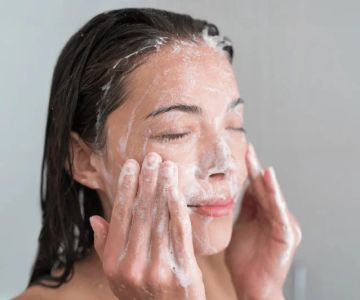
Use a mild, non-comedogenic cleanser to remove excess oil and dirt without stripping the skin. This prepares your skin for tea tree oil application and reduces irritation.
2. Moisturizing and Hydration
Even acne-prone skin needs moisture. A lightweight, non-comedogenic moisturizer prevents dryness that could trigger overproduction of oil.
3. Sun Protection
Some acne treatments and essential oils make the skin more sensitive to sunlight. Use broad-spectrum sunscreen daily to prevent additional damage.
Where to Source High-Quality Tea Tree Oil
Quality matters. Look for 100% pure tea tree oil from reputable suppliers. Platforms like SkinCare Experts offer vetted products, along with guidance for integrating tea tree oil into your acne routine safely.
Choosing high-quality oil ensures you get the full benefits without unwanted additives or diluted formulas. When paired with a consistent skincare routine, tea tree oil becomes a powerful tool in achieving clearer, healthier skin.
Final Thoughts on Treating Acne with Tea Tree Oil
Treating acne with tea tree oil is both practical and natural. By understanding your skin type, diluting properly, applying consistently, and supporting your routine with gentle skincare, tea tree oil can help manage breakouts effectively. Real-life experiences and research indicate it is a trustworthy alternative or complement to conventional treatments.
For more expert advice and to explore high-quality tea tree oil products, visit SkinCare Experts. Making informed choices today sets the foundation for clearer, healthier skin tomorrow.


 Seoul Medspa Garden Grove - IV, Wight Loss, PRP, Botox, Fillers, Stemcell4.0 (100 reviews)
 ash-thetics Concierge Medical Aesthetics5.0 (84 reviews)
 iBeautyStudio4.0 (23 reviews)
 Dream Queen Beauty5.0 (6 reviews)
 Skin Spa Boutique5.0 (15 reviews)
 Skin Refined Esthetics5.0 (34 reviews)
 The Best Skincare Tips for Men: What You Need to Know
 How to Heal Eczema Effectively: Top Tips and Treatments for Clearer Skin
 Daily Skin Care Routine for Age Spots in People with Sensitive Skin
 Expert Advice on Puffy Eyes in People Over 40
 How to Use Rosehip Oil for Brighter, Smoother Skin
 Natural Remedies for Wrinkles: Effective Solutions to Achieve Younger-Looking Skin