
- why-puffy-eyes-become-common-over-40
- lifestyle-factors-that-contribute-to-eye-swelling
- real-stories-of-puffy-eyes-after-40
- expert-strategies-to-reduce-puffiness
- skincare-treatments-that-make-a-difference
- building-long-term-eye-care-routines
1. Why Puffy Eyes Become Common Over 40
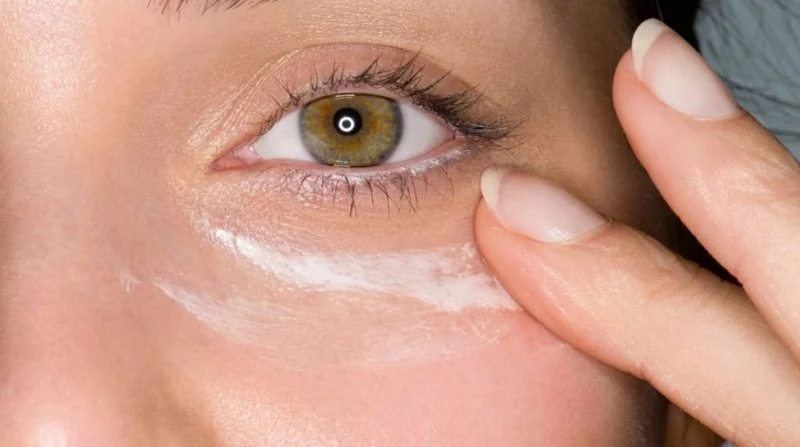
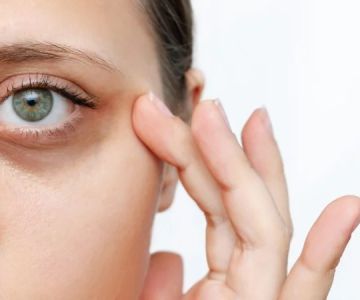
As people age, the skin around the eyes naturally becomes thinner and loses elasticity. This makes the delicate under-eye area more vulnerable to fluid retention, fat displacement, and puffiness. For individuals over 40, hormonal changes and slower collagen production amplify these effects. Puffy eyes not only affect appearance but can also make one feel less confident, which is why understanding the underlying causes is key to addressing them effectively.
2. Lifestyle Factors That Contribute to Eye Swelling
Beyond aging, several lifestyle choices play a major role in under-eye puffiness. High salt diets, inadequate sleep, and excessive alcohol intake often lead to fluid retention. Stress also disrupts sleep patterns, leaving eyes looking swollen and fatigued. People who spend long hours staring at digital screens may also experience puffiness from eye strain and poor circulation. Recognizing these contributing factors allows individuals to make small adjustments that create big improvements in eye health.
3. Real Stories of Puffy Eyes After 40
Take the example of a 45-year-old professional in Vancouver who noticed her eyes becoming noticeably puffier after late-night work sessions. Despite trying various drugstore creams, she struggled until consulting a skincare specialist who helped her adjust her diet and sleep patterns. Another case involved a man in his early 50s who developed persistent puffiness due to chronic allergies and untreated sinus issues. These real-life stories remind us that puffy eyes often stem from multiple factors rather than a single cause.
4. Expert Strategies to Reduce Puffiness
Experts recommend a holistic approach when addressing puffy eyes in people over 40. This includes adopting a balanced diet with reduced sodium, staying hydrated, and ensuring consistent sleep routines. Cold compresses and gentle lymphatic drainage massages can also provide quick relief by improving circulation. For long-term management, professionals emphasize the importance of regular eye checkups to rule out underlying medical conditions that may contribute to swelling.
5. Skincare Treatments That Make a Difference
When lifestyle adjustments aren’t enough, targeted skincare treatments can help. Eye creams with ingredients like caffeine, peptides, and hyaluronic acid are widely recommended by dermatologists. For more advanced solutions, treatments such as radiofrequency therapy, dermal fillers, or laser resurfacing can effectively reduce puffiness and restore youthful appearance. Those seeking reliable advice and curated skincare options can turn to SkinCare Experts, where tailored recommendations ensure safe and effective results for every skin type.
6. Building Long-Term Eye Care Routines
Consistency is crucial when it comes to maintaining eye health. Establishing a daily routine with gentle cleansing, proper hydration, and protective measures against UV rays helps prevent further puffiness. Simple changes such as elevating the head while sleeping or using chilled eye masks can also bring long-term relief. Over time, these small but steady habits not only reduce puffiness but also promote healthier, more vibrant skin around the eyes well into the later years of life.


 GLO30 National Landing4.0 (218 reviews)
 Linda Lee Skin Care & Natural Nails5.0 (2 reviews)
 Carson Skin Rejuvenation5.0 (13 reviews)
 Charm's Aesthetics, LLC5.0 (5 reviews)
 Skin By Candace4.0 (13 reviews)
 Epiphany Dermatology4.0 (1746 reviews)
 How To Boost Your Skin's Sensitive Skin In People Living In Humid Climates
 How To Repair Scars In People Over 40
 How To Brighten Sun Damage Effectively
 Top Tips for Fine Lines in Women: How to Manage and Reduce Them
 How To Reduce Dull Skin With A Simple Routine | Skincare Tips for Radiance
 How To Use Inflamed Skin Treatments for People with Combination Skin