
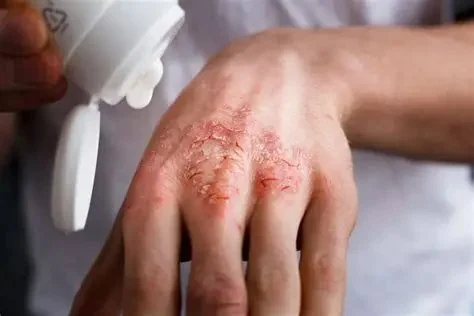
 How to Heal Eczema Effectively: Top Tips and Treatments for Clearer Skinhow to heal eczema, eczema treatment, eczema home remedies, eczema care tips, effective eczema treatment, eczema skincareLearn how to heal eczema effectively with expert tips and treatments. Discover home remedies and skin care advice to manage eczema and get smoother, healthier skin.
- 1. Introduction
- 2. Understanding Eczema
- 3. Top Tips for Healing Eczema
- 4. Home Remedies for Eczema
- 5. Professional Treatments for Eczema
- 6. Eczema Skin Care Routine
- 7. Conclusion
1. Introduction
Eczema, a common skin condition, can cause redness, itching, and inflammation. It often appears on the face, hands, or behind the knees, but it can occur anywhere on the body. While eczema can be frustrating to deal with, there are numerous treatments available that can help manage and heal the condition effectively. This guide will explore how to heal eczema effectively, including tips for at-home care, remedies, and professional treatments that can make a significant difference in your skin’s health.
2. Understanding Eczema
Eczema, also known as atopic dermatitis, is an inflammatory skin condition that affects many people, particularly those with a family history of allergies or asthma. It can be triggered by various factors, including environmental allergens, irritants, stress, and certain foods. Understanding what triggers your eczema flare-ups is key to managing the condition effectively.
2.1 Types of Eczema
There are several types of eczema, including:
- Atopic Dermatitis: The most common form of eczema, often linked with allergies and asthma.
- Contact Dermatitis: Triggered by contact with irritants or allergens like certain soaps or fabrics.
- Hand Eczema: Occurs due to frequent hand washing or exposure to harsh chemicals.
- Dyshidrotic Eczema: Characterized by small blisters on the hands and feet, often aggravated by stress or heat.
2.2 Common Symptoms of Eczema
Symptoms of eczema include:
- Itchy skin
- Red, inflamed patches of skin
- Dry or cracked skin
- Blisters or weeping sores in severe cases
- Thickened skin due to scratching
3. Top Tips for Healing Eczema
Healing eczema requires a combination of proper skincare, lifestyle changes, and in some cases, medication. Here are some of the most effective tips for managing eczema:
3.1 Moisturize Regularly
Moisturizing is one of the most effective ways to prevent eczema flare-ups. Dry skin can exacerbate symptoms, so applying a thick, fragrance-free moisturizer several times a day can help lock in moisture and soothe the skin. Look for products with ingredients like ceramides, glycerin, or hyaluronic acid.
3.2 Avoid Known Triggers
Understanding your eczema triggers is essential for preventing flare-ups. Common triggers include:
- Harsh soaps or detergents
- Environmental allergens (pollen, dust mites, pet dander)
- Extreme weather conditions (cold air or hot, humid environments)
- Certain foods (dairy, eggs, nuts)
- Stress or anxiety
3.3 Use Gentle Skin Care Products
Always choose mild, unscented skin care products that are designed for sensitive skin. Harsh chemicals can irritate eczema-prone skin, so opt for soap-free cleansers, gentle exfoliants, and hypoallergenic lotions.
4. Home Remedies for Eczema
In addition to standard treatments, there are several home remedies that can help alleviate eczema symptoms:
4.1 Oatmeal Baths
Oatmeal is a well-known remedy for soothing irritated skin. Add colloidal oatmeal to a warm bath to help calm inflamed skin and reduce itching. This can provide relief, especially during flare-ups.
4.2 Coconut Oil
Coconut oil is a natural moisturizer that also has anti-inflammatory properties. Applying virgin coconut oil to the skin after a bath can help lock in moisture and reduce redness and irritation.
4.3 Aloe Vera Gel
Aloe vera has cooling and healing properties that can help reduce inflammation and soothe itchy skin. Applying fresh aloe vera gel to the affected areas may provide quick relief.
5. Professional Treatments for Eczema
If home remedies and over-the-counter products are not effective, a healthcare professional may recommend stronger treatments:
5.1 Topical Steroids
Topical corticosteroids are often prescribed to reduce inflammation and calm flare-ups. They come in different strengths and should be used according to your doctor’s instructions to avoid potential side effects.
5.2 Immunosuppressants
In severe cases, doctors may prescribe immunosuppressive medications to help manage eczema. These medications work by suppressing the immune system’s overreaction to triggers, reducing inflammation.
5.3 Light Therapy
Phototherapy, or light therapy, involves exposing the skin to controlled amounts of ultraviolet light. This treatment can help reduce eczema symptoms for some people, especially those with chronic conditions.
6. Eczema Skin Care Routine
Having a consistent skin care routine is crucial for managing eczema. Here’s a simple routine to follow:
6.1 Morning Routine
- Start with a gentle, fragrance-free cleanser.
- Apply a thick moisturizer immediately after washing to lock in hydration.
- If needed, apply prescribed topical treatments, such as corticosteroids.
6.2 Evening Routine
- Cleanse the skin with a mild, soap-free cleanser.
- Apply a rich moisturizer to keep the skin hydrated overnight.
- If using topical treatments, apply them as directed before moisturizing.
7. Conclusion
Healing eczema effectively requires a combination of proper care, patience, and sometimes professional intervention. By following a skincare routine that includes moisturizing regularly, avoiding triggers, and using home remedies, you can significantly reduce eczema symptoms and enjoy clearer skin. If home treatments aren’t enough, don’t hesitate to consult a dermatologist for more advanced treatments that can help manage the condition.
If you’re looking for high-quality eczema skin care products or personalized advice, visit [SkinCare Experts] for the best products and tips tailored to your needs.


 ProSkin5.0 (20 reviews)
 Especially Aesthetic0.0 (0 reviews)
 Cameron Dermatology4.0 (572 reviews)
 LillyFace Premium Skin Care5.0 (1 reviews)
 Wake Up & Make Up By Ann Located in own building4.0 (13 reviews)
 Tampa Bay Laser Lipo4.0 (55 reviews)
 Daily Skin Care Routine for Dark Circles in People Living in Dry Climates
 How to Avoid Oily Skin in People with Sensitive Skin – Dermatologist Tips & Daily Skincare Guide
 How To Soothe Cleansers to Improve Inflamed Skin Naturally and Effectively
 How to Deal with Uneven Skin Tone Using Natural Remedies
 Daily Skin Care Routine For Dull Skin In People With Sensitive Skin
 How To Soothe Redness Using Natural Remedies