

- Understanding Extreme Weather Effects - Sun, Cold, Wind, and Humidity
- Daily Skincare Routine for Extreme Weather
- Protecting Skin from Sun Damage
- Managing Cold Weather Skin Damage
- Hydration and Moisturization Tips
- Diet and Lifestyle for Skin Health
- Real-Life Experiences and Tips
- Choosing Products for Extreme Weather
Understanding Extreme Weather Effects
Extreme weather conditions can have a profound impact on your skin’s health. Exposure to intense sunlight, freezing winds, or fluctuating humidity can lead to various skin problems, ranging from dryness and irritation to premature aging. Understanding how different weather conditions affect your skin is the first step in learning how to avoid skin damage from extreme weather conditions.
1. Sun Exposure
Prolonged exposure to UV rays can cause sunburn, dark spots, and long-term damage like premature aging. Even on cloudy days, UVA and UVB rays penetrate the atmosphere and affect your skin.
2. Cold and Windy Conditions
Winter air and harsh winds strip natural oils from the skin, leading to dryness, cracks, and inflammation. Cold weather also reduces circulation, which can make your skin appear dull.
3. Humidity Extremes
Low humidity causes dehydration and dry skin, while high humidity can lead to clogged pores, acne, and fungal infections. Both extremes require careful skincare adaptation.
Daily Skincare Routine for Extreme Weather
Maintaining a consistent skincare routine tailored for weather conditions can significantly minimize skin damage. Key steps include cleansing, moisturizing, and sun protection.
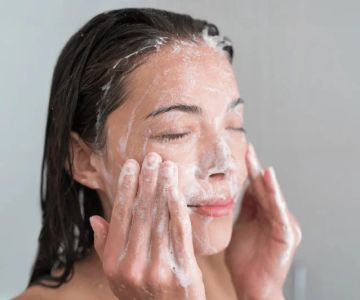
1. Gentle Cleansing
Use mild cleansers to remove dirt without stripping your skin of natural oils. Avoid harsh soaps that exacerbate dryness or irritation.
2. Layering Products
For extreme cold, apply a hydrating serum followed by a heavy moisturizer to lock in moisture. In hot weather, lighter, oil-free formulations are preferable.
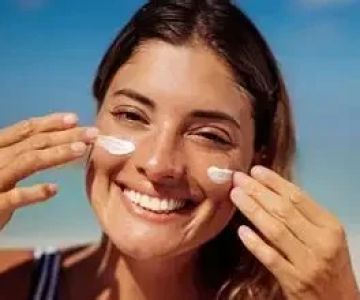
3. Sunscreen Application
Daily SPF application is critical even in winter. Choose broad-spectrum sunscreen with at least SPF 30 to prevent UV-induced damage.
Protecting Skin from Sun Damage
1. SPF Use
Apply sunscreen to all exposed areas, including the face, neck, and hands. Reapply every two hours when outdoors.
2. Protective Clothing
Wear wide-brimmed hats, sunglasses, and UV-protective clothing to reduce direct sun exposure.
3. Seek Shade
Whenever possible, stay in shaded areas during peak sun hours (10 AM – 4 PM) to reduce cumulative UV damage.
Managing Cold Weather Skin Damage
1. Warm, Not Hot Showers
While hot showers feel soothing, they remove natural oils. Use lukewarm water to preserve the skin barrier.
2. Humidifiers
Adding moisture to indoor air helps prevent dryness caused by heaters and cold outdoor air.
3. Protective Barriers
Layering with occlusive ointments or thicker creams on areas prone to chapping, like hands and lips, provides a protective shield.
Hydration and Moisturization Tips
Hydration is a cornerstone of preventing skin damage. Both internal and external hydration play roles in maintaining a healthy barrier function.
1. Drink Water Regularly
Keeping your body hydrated ensures skin cells receive adequate moisture to remain resilient against weather stress.
2. Use Moisturizers with Humectants
Ingredients like hyaluronic acid and glycerin attract water into the skin, maintaining flexibility and softness.
3. Apply Occlusive Agents
Petrolatum or shea butter locks in hydration, especially effective for extremely dry or cold environments.
Diet and Lifestyle for Skin Health
Healthy skin depends not only on external care but also on internal nutrition and habits. Incorporating antioxidants, omega-3 fatty acids, and adequate sleep supports the skin’s natural repair processes.
1. Antioxidant-Rich Foods
Fruits and vegetables like berries, leafy greens, and citrus help combat free radicals caused by UV exposure.
2. Healthy Fats
Omega-3 fatty acids found in fish, walnuts, and flaxseed maintain cell membrane integrity and reduce inflammation.
3. Adequate Rest
Sleep allows the skin to regenerate and repair daily damage effectively, minimizing cumulative harm from environmental stressors.
Real-Life Experiences and Tips
Jessica, an outdoor runner in Chicago, noticed her skin cracking during winter runs. By layering a thick moisturizer and using gloves, she avoided irritation and maintained skin health. In contrast, her summer hiking trips in Arizona taught her the importance of broad-spectrum sunscreen and wearing UV-protective clothing. Stories like these demonstrate practical applications of how to avoid skin damage from extreme weather conditions.
Choosing Products for Extreme Weather
1. Cold Weather Products
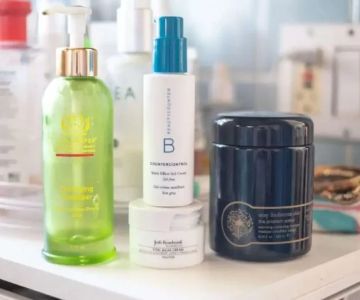
Look for heavy-duty creams, ointments, and balms with occlusive and emollient ingredients. Lip balms, hand creams, and facial ointments are essential.
2. Hot Weather Products
Use lightweight, non-comedogenic moisturizers and gels. Sunscreen with a matte finish can help reduce shine and discomfort.
3. Trusted Recommendations
Platforms like SkinCare Experts offer curated product guides to suit specific weather conditions, ensuring you select items that maintain skin health year-round.
By implementing these strategies, from daily routines to mindful product selection, you can effectively protect your skin and reduce the risk of weather-related damage. Consistency and adaptation to changing conditions are key to healthy, resilient skin, no matter the environment.


 ABQ Skin Care & Acne Clinic4.0 (240 reviews)
 Park Avenue Dermatology4.0 (813 reviews)
 Renew.calm4.0 (146 reviews)
 Claudia Colombo SkinCare & Wellness5.0 (36 reviews)
 Fizz Facial Bar5.0 (7 reviews)
 Marconi Castle: Skin + Spa5.0 (33 reviews)
 How to Protect Your Skin from Drying Out in Cold Weather
 What to Look for in a Sunscreen for Sensitive Skin
 How to Get Rid of Skin Blemishes with the Right Skin Care Ingredients
 Best Ingredients for Large Pores – Effective Solutions and Expert Tips
 The Best Skin Care Products for Anti-Aging in Your 50s | SkinCare Experts
 The Benefits of Using Aloe Vera Gel for Skin Healing and Hydration