

- Understanding Your Skin Type
- Why Face Oil Is Important for Your Skin
- Choosing the Right Face Oil for Different Skin Types
- Popular Face Oils and Their Benefits
- Common Mistakes When Choosing Face Oil
1. Understanding Your Skin Type
Before you choose the right face oil for your skincare routine, it’s essential to understand your skin type. Skin types can be classified into four main categories: dry, oily, combination, and sensitive. Each skin type has different needs, and using the wrong type of face oil could either not be effective or cause adverse reactions.
Dry skin often feels tight, rough, or flaky, and it needs extra hydration. Oily skin tends to shine throughout the day and may have visible pores. Combination skin is a mix of oily and dry areas, commonly with an oily T-zone (forehead, nose, and chin) and dry cheeks. Sensitive skin can be prone to redness, irritation, or breakouts.
Knowing your skin type allows you to choose a face oil that complements your natural skin needs, helping it stay balanced, hydrated, and healthy.
2. Why Face Oil Is Important for Your Skin
Face oils have been used for centuries in skincare routines because they provide essential nutrients, hydration, and protection to the skin. They are particularly beneficial for replenishing moisture and creating a healthy skin barrier. Unlike moisturizers, which often contain water-based formulas, face oils are packed with fatty acids, vitamins, and antioxidants that nourish and rejuvenate the skin.
In addition to hydration, face oils can help balance oil production, soothe inflammation, and protect the skin from environmental stressors. They are especially useful for people with dry or mature skin, but even those with oily skin can benefit from the right type of oil, as it helps regulate sebum production.
3. Choosing the Right Face Oil for Different Skin Types
Once you’ve determined your skin type, it’s time to choose the right face oil to address its specific needs. Here’s a guide to selecting the right face oil based on your skin type:
For Dry Skin
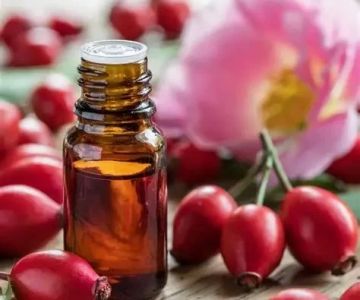
If you have dry skin, look for rich, nourishing oils that provide deep hydration. Oils like argan oil, rosehip oil, and marula oil are excellent choices for replenishing moisture and helping your skin feel soft and smooth. These oils are high in essential fatty acids and vitamins that help improve skin texture and reduce the appearance of dry patches.
For Oily Skin
Although it may seem counterintuitive, oily skin can benefit from face oils that balance oil production. Non-comedogenic oils like grapeseed oil and hemp seed oil are lightweight and won't clog pores. These oils help regulate sebum production while keeping the skin hydrated without adding extra shine. Tea tree oil is also beneficial for oily, acne-prone skin due to its antimicrobial properties.
For Combination Skin
Combination skin requires a balanced oil that hydrates without overwhelming oily areas or leaving dry areas feeling parched. Jojoba oil is a great option for combination skin because its composition is similar to the skin’s natural sebum, making it perfect for both dry and oily zones. Sweet almond oil is another light, hydrating oil that works well for combination skin, providing moisture without making it greasy.
For Sensitive Skin
Sensitive skin requires gentle oils that are soothing and less likely to cause irritation. Look for oils with anti-inflammatory properties such as chamomile oil and lavender oil, which can calm redness and reduce inflammation. Calendula oil is also excellent for sensitive skin, as it helps with skin regeneration and healing while reducing irritation.
4. Popular Face Oils and Their Benefits
Here are some of the most popular face oils used in skincare and the unique benefits they offer:
- Argan Oil: Rich in vitamin E and fatty acids, argan oil is perfect for dry and mature skin. It deeply hydrates and helps reduce fine lines and wrinkles.
- Rosehip Oil: Known for its regenerative properties, rosehip oil is full of antioxidants and vitamin A, which help improve skin texture and tone, especially for scar healing and anti-aging.
- Jojoba Oil: A versatile oil that mimics the skin’s natural oils, jojoba oil balances moisture and helps regulate sebum production, making it ideal for combination and oily skin.
- Tea Tree Oil: Ideal for acne-prone skin, tea tree oil has powerful antimicrobial properties that help fight acne and soothe inflammation.
- Marula Oil: High in antioxidants and fatty acids, marula oil provides intense hydration and helps protect the skin from environmental damage, making it great for dry and mature skin.
5. Common Mistakes When Choosing Face Oil
When selecting a face oil, it’s easy to make mistakes that could hinder your skincare results. Here are a few common pitfalls to avoid:
- Choosing the wrong oil for your skin type: Always match your face oil to your skin’s needs. Using a rich oil on oily skin can lead to breakouts, while using a lightweight oil on dry skin can leave you feeling dehydrated.
- Overapplying: A little goes a long way with face oils. Overapplying can cause your skin to feel greasy or clog pores.
- Ignoring patch tests: Always do a patch test before using a new oil to avoid allergic reactions, especially if you have sensitive skin.
By being mindful of these common mistakes, you can ensure you’re choosing the best face oil for your skin’s unique needs.





 Sensational Skin Care Face & Body Spa5.0 (4 reviews)
 Glow Skin Studio0.0 (0 reviews)
 Ageless MD4.0 (241 reviews)
 Charmayne Perfection LLC5.0 (15 reviews)
 Lexa Aesthetics5.0 (20 reviews)
 Skin Laundry - Tribeca4.0 (318 reviews)
 Effective Skin Care Tips for Scars: Healing and Improving Appearance
 Natural Remedies For Eczema: What You Need To Know
 How To Soothe Wrinkles: What You Need To Know
 Best Ingredients for Rosacea and How to Manage It Effectively
 Top Tips for Reducing Fine Lines in Women | Expert Skincare Advice
 How to Treat Skin Infections Naturally with Simple Remedies | SkinCare Experts