
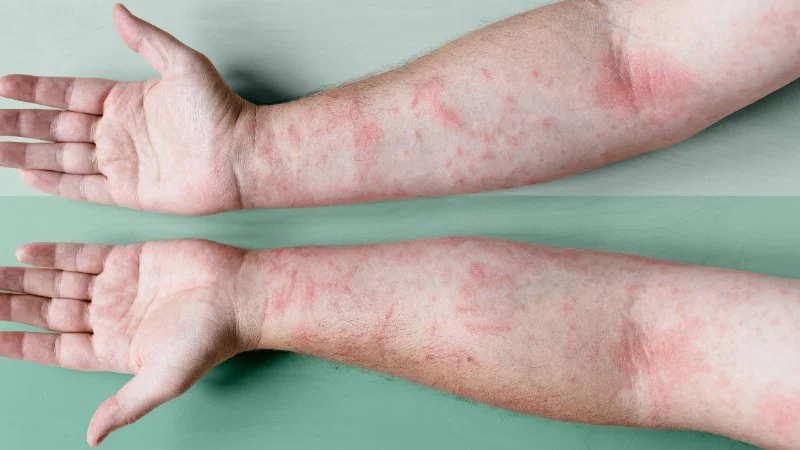
Understanding Eczema and Why Managing It Matters
- 1. What is Eczema?
- 2. Common Causes of Eczema
- 3. How to Manage Eczema Effectively
- 4. Eczema Treatment Options
- 5. Real-World Examples of Eczema Management
- 6. Chronic Eczema Care and Prevention
1. What is Eczema?
Eczema, also known as atopic dermatitis, is a chronic skin condition that causes inflammation, redness, itching, and dryness. It typically appears on areas like the hands, elbows, knees, and face, but it can develop anywhere on the body. Eczema is a common condition, particularly in children, but it can affect individuals of all ages. The severity of eczema can vary from mild patches of dry skin to more intense flare-ups with significant discomfort and visible irritation.
2. Common Causes of Eczema
The exact cause of eczema is not fully understood, but several factors contribute to the development of the condition. These include:
- Genetics: A family history of eczema, asthma, or hay fever increases the likelihood of developing eczema.
- Immune System Dysfunction: Eczema is often triggered by an overactive immune response, where the body attacks its own skin, causing inflammation.
- Environmental Triggers: Certain environmental factors such as allergens (e.g., dust mites, pollen), harsh weather, or irritants like soaps and detergents can cause flare-ups.
- Skin Barrier Deficiency: Individuals with eczema often have a weakened skin barrier, making their skin more susceptible to dryness and infection.
3. How to Manage Eczema Effectively
While eczema cannot be cured, it can be effectively managed with the right lifestyle changes and treatments. Here are some key strategies for managing eczema:
- Moisturize Regularly: Keeping the skin hydrated is one of the most important steps in managing eczema. Use fragrance-free moisturizers, ideally after bathing, to lock in moisture and prevent dry skin.
- Avoid Irritants: Avoid exposure to triggers like harsh soaps, hot water, or tight clothing that can cause skin irritation. Use mild, fragrance-free products for bathing and laundry.
- Control Itchiness: Scratching can worsen eczema and lead to infections. Use anti-itch creams or take cool baths with oatmeal to relieve itching.
- Manage Stress: Stress is a common trigger for eczema flare-ups. Practicing relaxation techniques like deep breathing, meditation, or yoga can help reduce stress and prevent flare-ups.
4. Eczema Treatment Options
There are several treatment options available to help control eczema flare-ups and reduce symptoms:
- Topical Steroid Creams: These are commonly prescribed to reduce inflammation and itching. They should be used under the guidance of a healthcare professional to avoid potential side effects.
- Topical Calcineurin Inhibitors: Non-steroid creams that help to suppress the immune system’s inflammatory response and can be used for sensitive areas like the face and eyelids.
- Oral Medications: In severe cases, oral medications such as antihistamines (for itching) or corticosteroids may be prescribed to reduce inflammation.
- Phototherapy: In cases where other treatments are not effective, UV light therapy (phototherapy) can be used to help manage eczema by reducing immune system activity.
5. Real-World Examples of Eczema Management
Many individuals successfully manage their eczema through a combination of medical treatment and lifestyle adjustments. For example:
- Case Study 1 – Young Child with Eczema: A young child with eczema found relief by using prescribed topical steroids combined with gentle, daily moisturizing. Their parents also worked to eliminate household allergens like pet dander and dust mites, leading to a significant improvement in the child’s skin condition.
- Case Study 2 – Adult Eczema Sufferer: An adult patient struggling with chronic eczema used a combination of stress-reduction techniques, regular moisturizing, and prescription creams. Over time, this approach helped reduce flare-ups and allowed the individual to live more comfortably with the condition.
6. Chronic Eczema Care and Prevention
For individuals with chronic eczema, ongoing care is essential to manage the condition and prevent flare-ups. Key strategies include:
- Regular Dermatologist Visits: Seeing a dermatologist regularly helps to monitor the condition and adjust treatment plans as necessary.
- Adapting to Seasonal Changes: In colder months, the air tends to be drier, so increasing the frequency of moisturizing and using a humidifier can help maintain skin hydration.
- Long-Term Medication Use: In some cases, long-term use of topical treatments or newer biologic medications may be required to control eczema symptoms effectively.
Managing eczema is a long-term commitment that requires patience and care. By working with healthcare professionals and following the right treatment plan, individuals with eczema can lead a comfortable and active life.
If you're looking for personalized skincare recommendations or eczema management products, visit SkinCare Experts for the best advice and products.



 GLO30 National Landing4.0 (218 reviews)
 Linda Lee Skin Care & Natural Nails5.0 (2 reviews)
 Carson Skin Rejuvenation5.0 (13 reviews)
 Charm's Aesthetics, LLC5.0 (5 reviews)
 Skin By Candace4.0 (13 reviews)
 Epiphany Dermatology4.0 (1746 reviews)
 How To Boost Your Skin's Sensitive Skin In People Living In Humid Climates
 How To Repair Scars In People Over 40
 How To Brighten Sun Damage Effectively
 Top Tips for Fine Lines in Women: How to Manage and Reduce Them
 How To Reduce Dull Skin With A Simple Routine | Skincare Tips for Radiance
 How To Use Inflamed Skin Treatments for People with Combination Skin