
- 1 - Understanding Scars
- 2 - Why Skin Care Is Crucial for Scars
- 3 - Top Skin Care Tips for Scars
- 4 - Natural Remedies for Scar Healing
- 5 - Case Studies and Expert Advice on Scar Healing
- 6 - Professional Treatment Options for Scars
1 - Understanding Scars
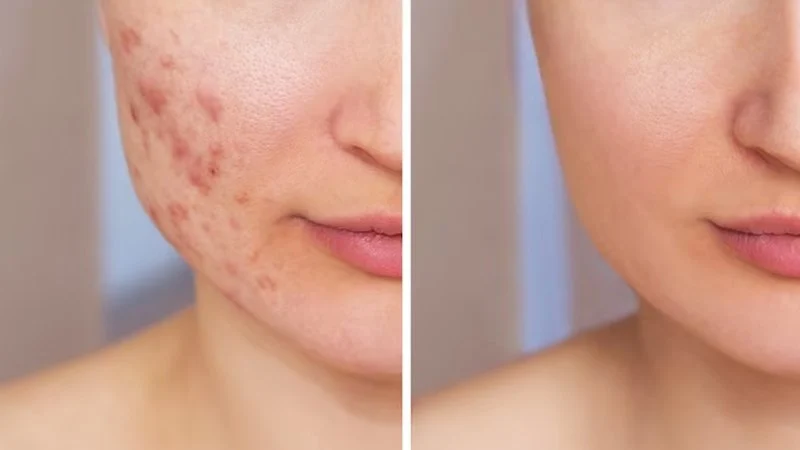
Scars are a natural part of the healing process, typically occurring after the skin is injured. They form when the skin heals after cuts, burns, surgeries, or acne. While scars often fade over time, they can sometimes remain visible, leading to concerns about their appearance. Understanding the types of scars and how they form is essential for choosing the right treatments. Some common types of scars include:
- Hypertrophic scars: Raised, red scars that stay within the boundaries of the original wound.
- Keloid scars: Thick, raised scars that extend beyond the original wound.
- Atrophic scars: Indented scars that form when the skin loses tissue during healing (common with acne scars).
- Contracture scars: Tight scars that often occur after burns and can restrict movement.
2 - Why Skin Care Is Crucial for Scars
Proper skin care plays a crucial role in healing scars and minimizing their appearance. When the skin is well taken care of during the healing process, it can promote quicker recovery, improve the scar's texture, and even prevent the formation of more severe scars. Healthy skin encourages collagen production and better tissue repair, which are key to healing wounds and scars.
Without proper care, scars can become more noticeable, thicker, or more painful. Therefore, incorporating the right skin care regimen can significantly help in improving the overall appearance of scars and speeding up the healing process.
3 - Top Skin Care Tips for Scars
Here are some effective skin care tips for reducing scars and promoting smoother skin:
- Keep the scar clean: Clean the scarred area gently with mild soap and water to remove any dirt or bacteria that may cause irritation or infection.
- Moisturize regularly: Keeping the scar hydrated is essential for preventing dryness and promoting healing. Use a non-comedogenic moisturizer or a scar-specific product.
- Use sunscreen: Protect scars from UV rays by applying sunscreen to avoid darkening or hyperpigmentation. Scars are more vulnerable to sun damage, which can make them more visible.
- Massage the scar: Gently massaging the scar using oils like Vitamin E or coconut oil can help break down tissue and improve circulation, which may make the scar less noticeable.
- Hydrate your skin: Drinking plenty of water keeps your skin hydrated from the inside, encouraging the healing process and reducing the appearance of scars.
4 - Natural Remedies for Scar Healing
Several natural remedies are known for helping heal scars effectively. Here are a few that have shown promising results:
- Aloe Vera: Known for its soothing and healing properties, aloe vera can help reduce scar formation and provide hydration to the skin.
- Coconut Oil: Coconut oil contains fatty acids that promote skin regeneration and moisturization, which can help heal scars faster.
- Honey: Honey has natural antibacterial and moisturizing properties, making it an excellent remedy for treating scars and improving the skin's texture.
- Lemon Juice: The citric acid in lemon juice can help lighten scars, but it should be used cautiously as it may cause skin irritation for some people.
5 - Case Studies and Expert Advice on Scar Healing
Many individuals have successfully improved their scars by following a proper skin care routine. For example, Sarah, who had suffered from acne scars, found that daily massaging of the affected area with vitamin E oil helped smooth out the rough texture over time. Additionally, she found that using sunscreen daily prevented the scars from becoming darker with sun exposure.
Another case involves Mark, who sustained a deep cut on his leg from a biking accident. After following a care plan suggested by his dermatologist, which included moisturizing and gentle scar massage, his scar became less noticeable over several months.
6 - Professional Treatment Options for Scars
In some cases, professional treatments may be necessary to reduce scars. If over-the-counter products and natural remedies aren’t enough, you can consider professional options such as:
- Laser Therapy: Laser treatments can help improve the texture of scars by stimulating collagen production and reducing the appearance of both raised and flat scars.
- Microneedling: A dermatologist uses tiny needles to create controlled damage in the skin, encouraging healing and reducing scar tissue.
- Chemical Peels: Chemical peels can remove the top layer of dead skin, promoting healthier skin underneath and helping scars fade.
- Scar Revision Surgery: For more severe scars, such as keloids, surgical revision may be required to remove the scar tissue and reduce its appearance.
Effective scar healing requires patience and consistent care. Whether you opt for natural remedies or professional treatments, maintaining a skincare routine tailored to your scar type is essential. For more personalized skin care tips, consider visiting SkinCare Experts for the best products and services suited to your needs.


 GLO30 National Landing4.0 (218 reviews)
 Linda Lee Skin Care & Natural Nails5.0 (2 reviews)
 Carson Skin Rejuvenation5.0 (13 reviews)
 Charm's Aesthetics, LLC5.0 (5 reviews)
 Skin By Candace4.0 (13 reviews)
 Epiphany Dermatology4.0 (1746 reviews)
 How To Boost Your Skin's Sensitive Skin In People Living In Humid Climates
 How To Repair Scars In People Over 40
 How To Brighten Sun Damage Effectively
 Top Tips for Fine Lines in Women: How to Manage and Reduce Them
 How To Reduce Dull Skin With A Simple Routine | Skincare Tips for Radiance
 How To Use Inflamed Skin Treatments for People with Combination Skin