

- 1 - Understanding the Causes of Dry Skin
- 2 - Hydration from the Inside Out
- 3 - Gentle Cleansing Habits That Protect the Skin
- 4 - Why the Right Moisturizer Matters
- 5 - The Importance of Balanced Exfoliation
- 6 - Climate Control and Indoor Dryness
- 7 - Choosing Skincare Products for Dry Skin
- 8 - Nighttime Care and Recovery
- 9 - Lifestyle and Nutrition Factors
- 10 - Expert Tips and Product Guidance
1. Understanding the Causes of Dry Skin
Balancing dry skin begins with understanding why it happens. For some, it’s genetic; for others, harsh weather, over-cleansing, or using products with alcohol can strip natural oils. People living in cold Canadian winters often find their skin loses moisture quickly due to heated indoor air and freezing outdoor temperatures. Recognizing these causes helps you choose the right solutions.
2. Hydration from the Inside Out
Water is your body’s natural moisturizer. Drinking enough fluids daily supports skin elasticity and resilience. But hydration isn’t just about water intake—it’s also about retaining that water. Adding foods rich in omega-3 fatty acids, like salmon and chia seeds, strengthens the skin barrier, helping it hold on to moisture more effectively.
3. Gentle Cleansing Habits That Protect the Skin
One of the biggest mistakes people with dry skin make is using foaming cleansers that strip oils. Instead, opt for cream-based or oil cleansers that remove impurities without disrupting your natural barrier. A friend in Ottawa noticed a significant improvement in redness after switching from a harsh gel cleanser to a gentle balm-based formula—proof that less is sometimes more.
4. Why the Right Moisturizer Matters
Not all moisturizers are created equal. For dry skin, look for products with hyaluronic acid, ceramides, and glycerin. These ingredients lock in hydration and repair the skin barrier. Layering a serum beneath your moisturizer can boost results. For example, applying a hyaluronic acid serum before a ceramide cream often doubles the hydration benefits.
5. The Importance of Balanced Exfoliation
Exfoliation removes dead skin cells that prevent moisturizers from penetrating effectively. However, over-exfoliating can worsen dryness. Experts recommend gentle exfoliation one to two times a week using lactic acid or enzyme-based formulas instead of abrasive scrubs. This keeps skin smooth without causing irritation.
6. Climate Control and Indoor Dryness
Indoor heating systems during winter are notorious for pulling moisture from the air, leaving skin feeling tight and flaky. A humidifier is a simple yet powerful solution. One Toronto-based family shared that adding a humidifier to their bedroom not only improved their skin but also reduced seasonal allergies and dry throat issues.
7. Choosing Skincare Products for Dry Skin
Dry skin requires products that balance hydration without clogging pores. Avoid alcohol-heavy toners or strong acids. Instead, reach for nourishing serums, lightweight oils, and barrier-repair creams. Trusted resources like SkinCare Experts offer carefully selected products that focus on long-lasting hydration and barrier health.
8. Nighttime Care and Recovery
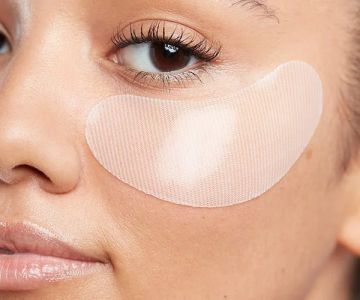
Your skin repairs itself while you sleep, making nighttime the best opportunity to use richer products. Overnight masks, heavy creams, or oils like squalane work wonders when applied before bed. This routine allows your skin to lock in moisture during hours of rest, ensuring you wake up to a plumper, smoother complexion.
9. Lifestyle and Nutrition Factors
Diet, stress, and sleep all play roles in skin health. A diet lacking vitamins A, C, and E may worsen dryness. Stress hormones can weaken the skin barrier, while insufficient sleep prevents proper recovery. Building habits like eating antioxidant-rich foods, practicing stress management, and sticking to a consistent sleep schedule can support your skin’s balance from within.
10. Expert Tips and Product Guidance
Dermatologists recommend layering light hydrating products rather than relying on a single heavy cream. They also emphasize patch-testing new products, as dry skin can sometimes be more sensitive. Consulting professionals or using reliable platforms like SkinCare Experts can guide you toward the right products and practices tailored to your individual skin needs.





 GLO30 National Landing4.0 (218 reviews)
 Linda Lee Skin Care & Natural Nails5.0 (2 reviews)
 Carson Skin Rejuvenation5.0 (13 reviews)
 Charm's Aesthetics, LLC5.0 (5 reviews)
 Skin By Candace4.0 (13 reviews)
 Epiphany Dermatology4.0 (1746 reviews)
 How To Boost Your Skin's Sensitive Skin In People Living In Humid Climates
 How To Repair Scars In People Over 40
 How To Brighten Sun Damage Effectively
 Top Tips for Fine Lines in Women: How to Manage and Reduce Them
 How To Reduce Dull Skin With A Simple Routine | Skincare Tips for Radiance
 How To Use Inflamed Skin Treatments for People with Combination Skin