
- 1-Understanding-Milia: Causes and Common Misconceptions
- 2-Identifying-Milia: How to Spot Them Early
- 3-Professional Removal Methods and Safety Tips
- 4-At-Home Treatments: What Works and What to Avoid
- 5-Preventing Future Breakouts: Daily Skincare Routines
- 6-Lifestyle Factors That Influence Milia Formation
- 7-Real-Life Stories: Milia Success Cases
- 8-Expert Recommendations from SkinCare Experts
1. Understanding Milia: Causes and Common Misconceptions
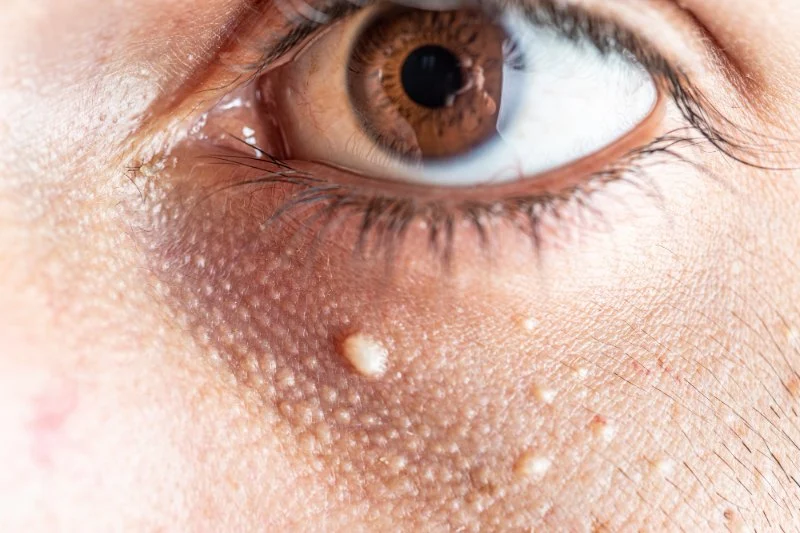
Milia are small, white cysts that commonly appear on the face, especially around the eyes, cheeks, and nose. Despite their harmless nature, they can be cosmetically bothersome. Many people mistakenly believe milia are pimples or acne, but they are actually keratin-filled cysts formed beneath the skin. Understanding the formation of milia is the first step in learning how to get rid of milia and prevent future breakouts.
There are several key causes:
- Clogged pores from excessive skin products or makeup.
- Skin trauma or burns that disrupt normal exfoliation.
- Genetic predisposition, making some people more prone to milia.
- Chronic sun damage that thickens the skin and traps keratin.
Common misconceptions include thinking that squeezing or picking at milia can remove them. This often leads to irritation and potential scarring. Instead, proper removal and prevention strategies are recommended, as discussed in the following sections.
2. Identifying Milia: How to Spot Them Early
Early identification is crucial for effective treatment. Milia typically present as:
- Small, pearly-white bumps, usually 1-2 mm in size.
- Hard texture to touch and non-painful unless inflamed.
- Clusters often appearing under the eyes or on the cheeks.
Distinguishing milia from other skin conditions like whiteheads or acne is important. While acne tends to be inflamed and red, milia are firm, non-inflamed, and not prone to popping. Observing these differences ensures you choose the correct removal approach without causing damage.
3. Professional Removal Methods and Safety Tips
For persistent milia, professional treatments offer the safest and most effective solution. Dermatologists or licensed estheticians often use:
- Extraction with sterile tools: Carefully opening the surface and removing keratin safely.
- Laser therapy: In stubborn cases, targeted lasers can remove cysts with minimal scarring.
- Chemical peels: Mild acids like glycolic or salicylic acid help exfoliate the skin and prevent recurrence.
Professional removal reduces the risk of infection, scarring, and recurrence. For readers looking for trusted services, SkinCare Experts provide personalized consultations and professional milia treatments suited for all skin types.
4. At-Home Treatments: What Works and What to Avoid
While professional care is recommended, some at-home strategies can complement prevention:
- Gentle exfoliation: Using products with alpha-hydroxy acids (AHAs) or beta-hydroxy acids (BHAs) to remove dead skin cells.
- Non-comedogenic moisturizers: Avoid heavy creams that can trap keratin.
- Warm compresses: Softening the skin may allow natural extrusion over time without trauma.
Avoid aggressive scrubs or picking at milia, which can worsen the condition. Remember, patience is key; milia often resolve slowly with consistent care.
5. Preventing Future Breakouts: Daily Skincare Routines
Preventing milia recurrence involves consistent and mindful skincare habits:
- Daily cleansing: Use gentle cleansers to remove excess oil and dirt.
- Regular exfoliation: Integrate mild chemical exfoliants 2-3 times per week.
- Sun protection: Broad-spectrum SPF shields skin from damage that contributes to milia formation.
- Minimal heavy products: Avoid occlusive creams or heavy makeup that block pores.
By following these habits, users can significantly reduce the chances of future breakouts and maintain smooth, clear skin.
6. Lifestyle Factors That Influence Milia Formation
Beyond topical care, lifestyle choices can affect milia development:
- Diet: Diets high in sugar or dairy can exacerbate skin issues for some individuals.
- Sleep: Adequate sleep supports skin regeneration and reduces pore clogging.
- Stress management: Chronic stress can trigger hormonal imbalances that indirectly affect skin health.
Combining these lifestyle adjustments with proper skincare routines maximizes prevention efforts and promotes overall skin vitality.
7. Real-Life Stories: Milia Success Cases
Consider the case of Emily, a 28-year-old from California, who struggled with milia around her eyes for years. After adopting a routine of gentle exfoliation, switching to non-comedogenic products, and consulting professionals at SkinCare Experts, her milia cleared within three months. Her story illustrates the importance of combining home care with professional guidance.
Another example is Mark, a skincare enthusiast, who experienced recurrent milia due to heavy use of oily creams. By adjusting his routine and incorporating preventive measures, he managed to prevent further breakouts while maintaining healthy skin texture.
8. Expert Recommendations from SkinCare Experts
Professionals recommend the following for anyone looking to effectively manage milia:
- Consult a licensed dermatologist before attempting extractions.
- Maintain a simple, consistent skincare routine focusing on gentle cleansing and exfoliation.
- Monitor lifestyle factors such as diet, sleep, and stress to support skin health.
- Use targeted treatments for stubborn milia under professional supervision.
Following these guidelines, combined with real-life insights, ensures safe and long-lasting results in managing milia and preventing future breakouts.




 Martini Esthetics5.0 (6 reviews)
 The Peel Connection4.0 (30 reviews)
 Skin Care 2-1-24.0 (11 reviews)
 Beauty Expert5.0 (63 reviews)
 Inlab Skinglow5.0 (60 reviews)
 Afterglow Aesthetics, NY5.0 (32 reviews)
 Best Skincare Treatments for Mature Skin You Need to Know
 How to Achieve Flawless Skin in Your 30s: Essential Skincare Tips
 Tips For Sensitive Skin With Fine Lines Effectively
 The Best Skincare Tips for Dealing with Clogged Pores and Blackheads
 Best Hyaluronic Acid Practices for Blackhead Prevention | Effective Skincare Tips
 The Best Tips for Minimizing Wrinkles and Fine Lines Naturally