
- understanding-why-body-skin-becomes-dry
- signs-that-your-skin-needs-more-hydration
- choosing-the-right-cleansing-routine
- best-moisturizing-techniques-for-lasting-results
- how-diet-affects-skin-hydration
- daily-habits-that-help-prevent-dry-skin
- seasonal-strategies-for-healthier-skin
- common-mistakes-that-make-dryness-worse
- real-life-story-of-overcoming-chronic-dry-skin
- when-to-seek-professional-skincare-advice
- creating-a-long-term-hydration-plan
1. Understanding Why Body Skin Becomes Dry
Many people search for how to treat dry skin on your body with simple hydrating tips after noticing rough patches, itchiness, or flaky skin that seems impossible to control. Dry skin is one of the most common skincare concerns in the United States, especially during colder months, but it can occur at any time of the year.
The outermost layer of the skin acts as a protective barrier. When this barrier loses moisture or becomes damaged, water escapes more easily, leaving the skin feeling tight and uncomfortable. Factors such as cold weather, low humidity, excessive bathing, harsh soaps, aging, and certain medical conditions can all contribute to dryness.
Environmental Factors
Air conditioning, indoor heating, strong winds, and sun exposure can gradually strip moisture from the skin. People living in areas with extreme seasonal changes often experience recurring dryness throughout the year.
Lifestyle Influences
Long hot showers, over-exfoliation, and the use of heavily fragranced skincare products can weaken the skin barrier. Even stress and poor sleep habits may indirectly affect the skin's ability to maintain proper hydration.
Why Prevention Matters
Dry skin is not just a cosmetic issue. When left untreated, it can lead to irritation, cracks, inflammation, and an increased risk of infection. Taking preventive measures early helps maintain healthier and more resilient skin.
2. Signs That Your Skin Needs More Hydration
Not all dry skin looks the same. Some people experience mild tightness, while others deal with persistent itchiness and visible flaking.
Early Warning Signs
1. Tightness after showering.
2. Rough texture on arms and legs.
3. Mild itching throughout the day.
4. Dull appearance and reduced skin elasticity.
Advanced Symptoms
1. Visible scaling or peeling.
2. Redness and inflammation.
3. Cracks that may become painful.
4. Persistent discomfort despite using lotion.
Recognizing these signs early makes it easier to restore hydration before the condition worsens.
3. Choosing the Right Cleansing Routine
One of the biggest surprises for many people is that cleansing habits can dramatically influence skin hydration levels. A well-designed cleansing routine is often the first step in learning how to treat dry skin on your body effectively.
Select Gentle Cleansers
Look for cleansers formulated for sensitive or dry skin. Products that contain moisturizing ingredients such as glycerin, ceramides, or hyaluronic acid help support the skin barrier while cleansing.
Reduce Water Temperature
Hot water feels relaxing, but it can remove natural oils from the skin. Dermatologists frequently recommend lukewarm water instead. Even reducing shower temperature slightly can make a noticeable difference after a few weeks.
Limit Shower Duration
A 5- to 10-minute shower is often sufficient. Spending extended periods under hot water can accelerate moisture loss and worsen dryness.
4. Best Moisturizing Techniques for Lasting Results
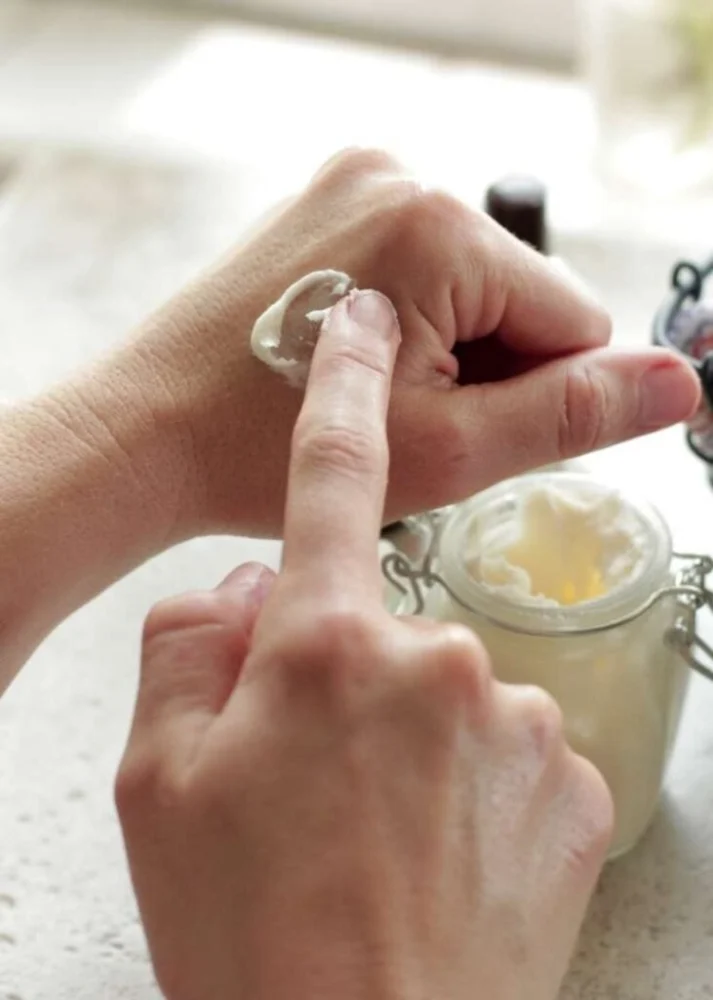
Moisturizing is perhaps the most important step in any dry skin treatment routine. However, many people unknowingly apply moisturizer incorrectly.
Apply Moisturizer Immediately After Bathing
The best time to moisturize is within a few minutes after bathing when the skin is still slightly damp. This helps trap moisture and improve absorption.
Understanding Different Moisturizer Types
1. Lotions
Lightweight and easy to spread, lotions are suitable for mild dryness and warmer climates.
2. Creams
Creams offer a balance between hydration and comfort. They are ideal for everyday use on moderately dry skin.
3. Ointments
Ointments provide the strongest moisture barrier and are often recommended for severely dry or cracked skin.
Focus on Problem Areas
Elbows, knees, heels, and hands often require additional attention. Applying a thicker moisturizer to these regions can significantly improve results.
5. How Diet Affects Skin Hydration
Healthy skin starts from within. While skincare products play a major role, nutritional habits can also influence hydration levels.
Increase Water Intake
Although drinking water alone won't completely solve dry skin, adequate hydration supports overall skin function and helps maintain healthy moisture levels.
Eat Healthy Fats
Foods rich in omega-3 fatty acids may help support the skin barrier. Examples include:
1. Salmon.
2. Sardines.
3. Walnuts.
4. Flaxseeds.
5. Chia seeds.
Consume Antioxidant-Rich Foods
Fruits and vegetables provide vitamins and antioxidants that support skin repair and protection from environmental stressors.
6. Daily Habits That Help Prevent Dry Skin
Small daily habits often determine whether skin remains hydrated or becomes increasingly dry.
Use a Humidifier
Indoor heating systems reduce air moisture. A humidifier can help maintain a more skin-friendly environment during winter.
Choose Breathable Fabrics
Natural materials such as cotton are generally gentler on dry skin than rough synthetic fabrics.
Protect Skin Outdoors
Cold wind, intense sunlight, and low humidity can all contribute to moisture loss. Wearing protective clothing and using sunscreen helps minimize damage.
7. Seasonal Strategies for Healthier Skin
Skin needs often change throughout the year.
Winter Care
Winter is notorious for causing dryness. Heavier creams, shorter showers, and humidifiers become especially important during colder months.
Summer Care
During warmer months, lightweight moisturizers may be more comfortable. However, sun exposure and air conditioning can still contribute to dehydration.
Transition Seasons
Spring and autumn are excellent times to evaluate your skincare routine and adjust products according to changing environmental conditions.
8. Common Mistakes That Make Dryness Worse
Many people unknowingly worsen dry skin despite good intentions.
Over-Exfoliating
Frequent exfoliation can damage the skin barrier and increase sensitivity.
Ignoring Ingredients
Products containing high levels of alcohol or strong fragrances may trigger irritation in sensitive skin.
Inconsistent Moisturizing
Applying moisturizer only when skin feels uncomfortable often leads to recurring dryness. Consistency is key.
Waiting Too Long to Treat Symptoms
Addressing dryness early is generally easier than repairing severely damaged skin later.
9. Real-Life Story of Overcoming Chronic Dry Skin
Emily, a marketing professional from Colorado, struggled with dry skin every winter. She tried numerous products without success and assumed the problem was unavoidable.
After consulting a skincare specialist, she made several simple changes. She shortened her showers, switched to fragrance-free cleansers, began moisturizing immediately after bathing, and added a humidifier to her bedroom.
Within six weeks, the transformation was remarkable. Her skin felt softer, itching disappeared, and she no longer experienced painful dry patches on her legs and hands.
Her experience highlights an important lesson: effective skin hydration often depends more on consistent habits than expensive products.
10. When to Seek Professional Skincare Advice
While most cases of dry skin improve with proper care, some situations require professional evaluation.
Consider Professional Help If:
1. Dryness persists despite consistent moisturizing.
2. Severe itching affects daily life.
3. Cracking leads to bleeding.
4. Redness and inflammation become widespread.
5. You suspect an underlying skin condition.
Resources such as SkinCare Experts can help individuals explore skincare products, professional recommendations, and treatment options tailored to their unique needs.
11. Creating a Long-Term Hydration Plan
The most successful approach to treating dry skin is developing sustainable habits rather than relying on quick fixes. Consistent cleansing, regular moisturizing, proper hydration, balanced nutrition, and environmental protection work together to maintain healthy skin.
Build a Simple Daily Routine
Morning:
1. Gentle cleansing.
2. Moisturizer application.
3. Sunscreen protection.
Evening:
1. Short lukewarm shower.
2. Hydrating moisturizer.
3. Extra treatment on particularly dry areas.
Monitor Your Progress
Taking monthly photos or keeping a simple skincare journal can help identify which habits and products deliver the best results.
Invest in Long-Term Skin Health
Learning how to treat dry skin on your body with simple hydrating tips is not about finding a miracle solution. It is about understanding your skin's needs and creating a routine that supports hydration every day. By combining smart skincare choices, healthy lifestyle habits, and expert guidance from trusted resources such as SkinCare Experts, you can enjoy softer, smoother, and healthier-looking skin throughout every season of the year.



 Amery Aesthetics5.0 (30 reviews)
 Blix Clinical Aesthetics & Laser4.0 (42 reviews)
 Revive Skin Care, LLC5.0 (55 reviews)
 NyChee Beauty0.0 (0 reviews)
 thebodyface4.0 (13 reviews)
 Moxie Glow5.0 (62 reviews)
 How to Treat and Prevent Dryness Around Your Mouth and Chin
 How to Choose the Best Facial Cleanser for Your Skin
 Guide to Skin Care Treatments for Eczema With a Simple Routine
 How to Boost Your Sensitive Skin in Humid Climates – Tips & Solutions
 How to Avoid Inflamed Skin and Manage It Effectively
 The Best Skin Care Tips for Reducing Stress-Induced Skin Issues