
- 1. Understanding the Connection Between Stress and Skin Issues
- 2. Common Skin Problems Caused by Stress
- 3. Effective Skin Care Tips for Reducing Stress-Induced Issues
- 4. Incorporating Relaxation Techniques for Skin Health
- 5. Real-Life Case: A Personal Story of Stress-Induced Skin Care
- 6. Final Thoughts on Managing Stress-Induced Skin Issues
1. Understanding the Connection Between Stress and Skin Issues
Stress is known to have a significant impact on various aspects of our health, and one area where it particularly takes its toll is on our skin. When we're stressed, our bodies produce more of the hormone cortisol, which can trigger inflammation and worsen skin conditions. Understanding this connection is key to taking proactive steps in protecting your skin from the effects of stress.
While the body’s natural response to stress is essential for survival, prolonged stress can lead to ongoing skin issues. Managing your stress levels is just as important as following a good skincare routine when it comes to maintaining healthy, glowing skin.
2. Common Skin Problems Caused by Stress
Stress can lead to a variety of skin issues, including flare-ups of existing conditions and the development of new problems. Here are some of the most common stress-induced skin issues:
1. Acne
Acne is one of the most common skin issues associated with stress. The increase in cortisol levels can lead to oil production in the skin, which clogs pores and results in breakouts. This is particularly common in areas like the forehead, chin, and jawline.
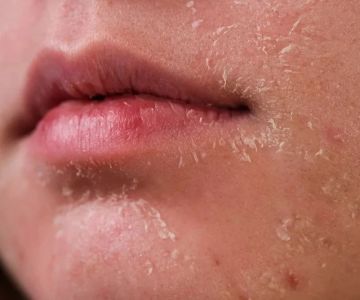
2. Dryness and Flakiness
When you're stressed, your body can go into a “fight or flight” mode, which diverts moisture from the skin. This can leave your skin feeling dry, tight, and flaky, often causing discomfort.
3. Rosacea
Stress can exacerbate conditions like rosacea, a skin condition that causes redness and visible blood vessels on the face. Stress can lead to flare-ups, making the skin appear more inflamed and irritated.
4. Eczema
For those already prone to eczema, stress can trigger flare-ups, causing the skin to become red, inflamed, and itchy. This often worsens as stress levels remain high.
3. Effective Skin Care Tips for Reducing Stress-Induced Issues
While managing stress is essential for maintaining healthy skin, having the right skincare routine can help mitigate its effects. Here are some effective skin care tips for reducing stress-induced skin issues:
1. Cleanse Gently
Using a gentle, non-stripping cleanser can help maintain your skin's natural barrier while removing impurities. Avoid harsh products that can aggravate stressed skin, leading to dryness or irritation.
2. Hydrate Regularly
Stress can cause your skin to lose moisture. Using a good moisturizer that suits your skin type is crucial. Look for ingredients like hyaluronic acid, which helps to retain moisture, and ceramides, which strengthen the skin’s barrier.
3. Use Anti-Inflammatory Ingredients
Look for skincare products that contain anti-inflammatory ingredients like aloe vera, chamomile, and green tea extract. These can help calm irritated skin and reduce redness caused by stress.
4. Don’t Forget Sunscreen
Stress can weaken your skin's defenses, making it more susceptible to damage from the sun. Always apply a broad-spectrum sunscreen with SPF 30 or higher to protect your skin from UV rays and prevent further irritation.
5. Choose Non-Comedogenic Products
If stress has caused you to break out, opt for non-comedogenic products that won’t clog pores. These products are specially formulated to prevent acne, which is essential for preventing further skin issues during stressful periods.
4. Incorporating Relaxation Techniques for Skin Health
Aside from skincare, managing stress through relaxation techniques can significantly improve the health of your skin. Here are some strategies to incorporate into your daily routine:
1. Practice Mindfulness or Meditation
Mindfulness and meditation are effective ways to manage stress and reduce cortisol levels. Even a few minutes of deep breathing or guided meditation each day can make a noticeable difference in your skin's appearance.
2. Get Enough Sleep
Lack of sleep can exacerbate skin issues and worsen stress. Aim for 7-9 hours of quality sleep each night to allow your skin to repair itself and maintain its natural glow.
3. Exercise Regularly
Exercise is one of the best natural stress relievers. Regular physical activity can help reduce cortisol levels, improve blood circulation, and promote healthier skin. Just be sure to cleanse your skin after workouts to remove sweat and dirt.
5. Real-Life Case: A Personal Story of Stress-Induced Skin Care
Take the case of Rachel, who began experiencing severe breakouts and redness on her skin after a stressful period at work. After consulting a dermatologist, she was advised to adopt a skincare routine that focused on gentle products and anti-inflammatory ingredients. She also incorporated stress-reducing practices like yoga and meditation into her daily routine. Over time, Rachel noticed a significant improvement in her skin's appearance, demonstrating the powerful effect of combining proper skincare with stress management.
6. Final Thoughts on Managing Stress-Induced Skin Issues
Stress-induced skin issues can be frustrating, but with the right combination of skincare and stress management, you can reduce their impact and improve your skin’s overall health. If you’re struggling with your skin, consider implementing the tips mentioned above, and remember that managing stress is just as important as following a skincare routine. For more personalized recommendations and products tailored to your needs, visit SkinCare Experts for expert guidance on maintaining healthy, glowing skin.




 Seoux Skin5.0 (1 reviews)
 Luxe Skin & Laser5.0 (30 reviews)
 Bare Skinned Studio5.0 (10 reviews)
 The Skn Rm5.0 (52 reviews)
 K.her Beauty Clinic5.0 (30 reviews)
 Skin Back To Young4.0 (1 reviews)
 How To Prevent Scars With A Simple Routine
 How To Deal With Your Large Pores With These 15 Expert Tips
 The Best Skin Care Tips for Reducing Stress-Induced Skin Issues
 Best Practices For Dry Skin And How To Manage It
 How to Manage Sun Damage: What You Need To Know
 Top Tips for Dull Skin Using Natural Remedies