
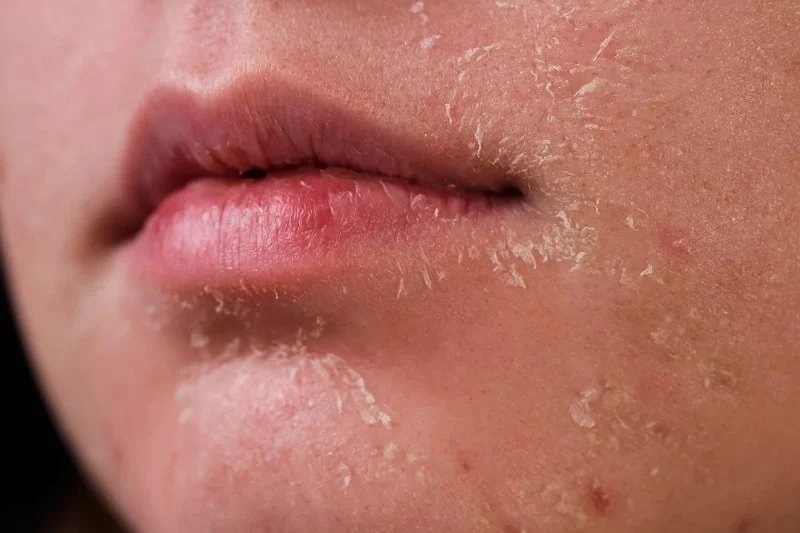
1. Why Skin Dryness Is Common During the Winter Months
The winter months bring chilly air, low humidity, and heated indoor environments, all of which can contribute to dry and irritated skin. The cold weather strips the skin of its natural moisture, leading to rough, flaky, and uncomfortable skin. Understanding why skin becomes dry in winter is the first step to addressing the issue and maintaining healthy skin throughout the season.
1.1 The Impact of Cold Air and Indoor Heating
Cold outdoor temperatures, coupled with the dry air inside heated homes and offices, can cause your skin to lose moisture. The body's natural oils, which help keep skin hydrated, are reduced by both cold air and excessive heat, making it more difficult for the skin to stay moisturized.
1.2 How Skin Reacts to Environmental Changes
When the skin is exposed to extreme conditions, it becomes more prone to dryness, irritation, and even eczema flare-ups. The skin’s barrier function is weakened, making it harder to retain moisture. As a result, the skin can become more sensitive and reactive to environmental changes during the winter.
2. Effective Ways to Prevent Skin Dryness in Winter
Preventing skin dryness during the winter months is easier than you might think. By making a few adjustments to your skincare routine, you can protect your skin from the harsh winter elements and keep it hydrated throughout the season.
2.1 Use a Humidifier
Since the air indoors can get dry due to heating systems, using a humidifier can help restore moisture to the air. This will not only make the environment more comfortable but also help prevent your skin from losing moisture.
2.2 Stay Hydrated
Drinking plenty of water is essential for maintaining hydration, especially during winter when the air can be drier. Aim to drink water regularly to keep your skin hydrated from the inside out.
2.3 Choose the Right Skincare Products
Switching to richer, more emollient skincare products during the winter can make a big difference. Look for creams and lotions that contain ingredients like hyaluronic acid, glycerin, and ceramides, which help to retain moisture and strengthen the skin barrier.
2.4 Avoid Hot Showers
While a hot shower may feel relaxing in the winter, it can strip the skin of its natural oils. Opt for lukewarm water instead and keep your showers brief. Afterward, apply a moisturizer while your skin is still damp to lock in moisture.
3. How to Treat Dry Skin During Winter
If your skin has already become dry or irritated, there are several treatments you can use to restore its moisture and improve its appearance.
3.1 Exfoliate Gently
Exfoliating your skin helps remove dead skin cells, which can contribute to dryness. However, it’s important to use a gentle exfoliant to avoid irritating the skin. Choose products with mild exfoliants, such as lactic acid or jojoba beads, which will help remove dry patches without causing damage.
3.2 Moisturize Frequently
Moisturizing is the most effective way to treat dry skin. Apply a thick, rich moisturizer to your skin after bathing or washing your hands. Look for products containing shea butter, glycerin, or petrolatum, which form a barrier to help seal in moisture.
3.3 Apply Overnight Treatments
For deeper hydration, consider using overnight masks or thick creams that work while you sleep. These treatments can provide extra nourishment and help repair the skin's natural barrier.
3.4 Use Oils for Extra Hydration
Natural oils like argan, jojoba, or coconut oil can be very beneficial for dry skin. After applying your moisturizer, you can seal in the moisture with a thin layer of oil. This helps lock in hydration and provides a barrier against harsh winter elements.
4. Skin Care Tips for Different Skin Types
Everyone’s skin reacts differently to the winter season. Here are some tips for treating and preventing dryness based on your skin type:
4.1 Oily Skin
If you have oily skin, you may feel that moisture isn’t as necessary. However, even oily skin can get dry during the winter. Choose a lightweight, oil-free moisturizer to keep your skin hydrated without adding excess oil.
4.2 Dry Skin
For dry skin, it’s important to focus on moisture-rich products. Use thick, creamy lotions or oils that help restore lost moisture and protect your skin’s natural barrier from the harsh winter air.
4.3 Sensitive Skin
Sensitive skin may react more strongly to winter weather. Opt for fragrance-free and hypoallergenic skincare products. Look for gentle moisturizers and avoid harsh exfoliants to prevent irritation.
5. When to Seek Professional Help
If you have tried the tips above and your skin is still feeling dry, itchy, or irritated, it may be time to seek professional help. A dermatologist can help assess your skin’s condition and recommend treatments or prescription-strength products if necessary.
5.1 Persistent Dryness or Eczema
If your dryness is accompanied by redness, flaking, or patches of eczema, consult a dermatologist for more specialized treatments. They may recommend topical steroids or other medicated products to help control inflammation and irritation.
5.2 Severe Itching or Cracking
Severe itching, cracking, or bleeding of the skin can be a sign of a more serious condition, such as dermatitis or psoriasis. A healthcare provider can diagnose the issue and offer specific treatments to soothe and heal your skin.
6. Conclusion: Keep Your Skin Hydrated All Winter
Skin dryness in the winter months is a common concern, but with the right skincare routine, you can keep your skin healthy and hydrated. From choosing the right moisturizers to incorporating oils and exfoliation, these tips will help you tackle dryness head-on. If you're looking for high-quality products to enhance your winter skincare regimen, visit SkinCare Experts for the best recommendations to treat and prevent skin dryness all season long.




 SKIN Theory Collective5.0 (13 reviews)
 Skinthetics Glow Spa5.0 (30 reviews)
 Vetiver Skin Studio5.0 (21 reviews)
 Golden Skin Co.5.0 (5 reviews)
 Aesthetic Alternatives4.0 (12 reviews)
 Jaysbeauty Dayspa&Boutique5.0 (6 reviews)
 The Benefits of Using a Facial Mist for Refreshing Your Skin Throughout the Day
 Guide To Skin Care Treatments For Blackheads For Women
 How to Prevent Redness Effectively – Skincare Expert Guide
 How To Choose The Right Hyperpigmentation Treatment: What You Need To Know
 Top Tips for Dull Skin Using Natural Remedies
 What Are the Best Skincare Tips for a Healthy Skin Barrier?