

- understanding-the-root-causes-of-redness
- how-to-prevent-redness-effectively-through-lifestyle-changes
- building-a-skin-routine-that-calms-not-triggers
- ingredients-to-seek-and-avoid-in-skincare
- real-story-how-i-managed-my-skin-redness-without-medication
- when-its-more-than-just-irritation-signs-of-underlying-issues
- where-to-find-effective-and-expert-backed-products
1. Understanding the Root Causes of Redness
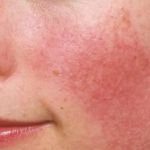
Before learning how to prevent redness effectively, it’s essential to understand what’s triggering it in the first place. Redness is often a symptom—not the issue itself. It may arise from skin conditions like rosacea, eczema, or contact dermatitis, or simply from environmental triggers like extreme temperatures, sun exposure, or stress. Even diet can play a role; spicy foods, alcohol, and caffeine are common culprits for flare-ups.
When skin becomes inflamed, your capillaries dilate, causing that flushed or blotchy appearance. Addressing redness starts by identifying whether your triggers are internal, external, or a combination of both.
2. How to Prevent Redness Effectively Through Lifestyle Changes
Lifestyle plays a surprisingly large role in skin reactivity. Preventing redness isn't always about piling on products—often, it's about adjusting habits that quietly wreak havoc on your complexion.
2.1 Watch Your Stress Levels
Stress can disrupt your skin barrier and lead to flare-ups. Practices like meditation, breathwork, and regular sleep have a measurable impact on skin calmness.
2.2 Stay Hydrated Inside and Out
Dehydration can amplify redness. Drinking enough water and using hydrating skincare (like hyaluronic acid) supports your skin’s ability to defend itself.
2.3 Environmental Awareness
Extreme cold, hot showers, windburn, and sun exposure are common but overlooked aggressors. Use protective clothing, SPF, and consider a humidifier if you live in a dry climate.
3. Building a Skin Routine That Calms, Not Triggers
Creating a skincare routine for redness-prone skin is less about doing more and more about doing it thoughtfully. Less can be more—especially when it comes to irritated or reactive skin.
3.1 Gentle Cleansing
Use non-foaming, sulfate-free cleansers. Harsh scrubs and cleansing tools often strip the skin barrier and exacerbate redness.
3.2 Minimal, Calming Moisturizers
Look for fragrance-free moisturizers with ceramides, centella asiatica, or niacinamide—ingredients known for supporting skin recovery and barrier health.
3.3 Spot Treatment vs. Full Face
Avoid slathering active ingredients over your whole face unless necessary. Apply retinoids or acids sparingly and only under professional advice.
4. Ingredients to Seek and Avoid in Skincare
Choosing the right skincare ingredients makes a massive difference when you're trying to prevent redness effectively. A few tweaks in your routine could save you months of inflammation.
4.1 Ingredients That Help
Go for:
- Niacinamide – Reduces inflammation and strengthens skin.
- Green tea extract – Antioxidant-rich and soothing.
- Licorice root – Natural skin brightener with anti-redness properties.
- Azelaic acid – Excellent for rosacea-prone skin (in lower strengths).
4.2 Ingredients to Avoid
Skip:
- Fragrances and essential oils – Highly sensitizing for reactive skin.
- Alcohol-based products – Drying and irritating.
- Harsh acids (AHAs/BHAs) – Only under guidance, and in moderation.
5. Real Story: How I Managed My Skin Redness Without Medication
Marissa, a 28-year-old teacher from Seattle, shared how she battled facial redness for years. “I thought I had to just live with it or get on prescriptions,” she explained. But after working with a skin therapist and changing her skincare approach—swapping out her foaming cleanser, cutting out scented products, and adding a niacinamide serum—her redness faded within six weeks.
“I was shocked at how big a difference small changes made,” she said. “Now I don’t wear foundation most days—and I’m fine with it.”
6. When It’s More Than Just Irritation: Signs of Underlying Issues
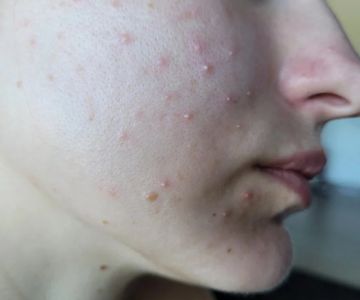
Sometimes redness isn't cosmetic—it's a medical concern. Persistent flushing, burning, or acne-like bumps could point to rosacea. Scaling patches may indicate eczema or psoriasis. If redness lasts more than a few weeks or worsens with product use, it’s time to consult a dermatologist.
Understanding the difference between sensitivity and a skin disorder is key. The sooner you know what you’re dealing with, the more effective your treatment—or prevention—plan can be.
7. Where to Find Effective and Expert-Backed Products
If you’re looking for trusted skincare solutions to help prevent redness effectively, visit SkinCare Experts. Their curated selection includes dermatologist-recommended serums, fragrance-free cleansers, and calming moisturizers specifically formulated for sensitive or redness-prone skin. Whether you’re building your first routine or upgrading your current one, you’ll find options that are both effective and safe.



 ProSkin5.0 (20 reviews)
 Especially Aesthetic0.0 (0 reviews)
 Cameron Dermatology4.0 (572 reviews)
 LillyFace Premium Skin Care5.0 (1 reviews)
 Wake Up & Make Up By Ann Located in own building4.0 (13 reviews)
 Tampa Bay Laser Lipo4.0 (55 reviews)
 Daily Skin Care Routine for Dark Circles in People Living in Dry Climates
 How to Avoid Oily Skin in People with Sensitive Skin – Dermatologist Tips & Daily Skincare Guide
 How To Soothe Cleansers to Improve Inflamed Skin Naturally and Effectively
 How to Deal with Uneven Skin Tone Using Natural Remedies
 Daily Skin Care Routine For Dull Skin In People With Sensitive Skin
 How To Soothe Redness Using Natural Remedies