
- 1. Understanding Hyperpigmentation: The Basics You Need to Know
- 2. Common Types of Hyperpigmentation
- 3. Choosing the Right Treatment for Your Hyperpigmentation
- 4. Preventing Hyperpigmentation: What You Can Do
- 5. Conclusion: Empowering Your Skin Care Journey
1. Understanding Hyperpigmentation: The Basics You Need to Know
Hyperpigmentation refers to darkened areas of skin caused by excess melanin production. While it is generally harmless, hyperpigmentation can lead to uneven skin tone and make you feel self-conscious about your appearance. Whether caused by sun exposure, hormonal changes, or skin injuries, understanding what causes hyperpigmentation is essential for choosing the right treatment options.
2. Common Types of Hyperpigmentation
Hyperpigmentation can manifest in various forms. The most common types include:
2.1 Sunspots (Age Spots)
Also known as liver spots or solar lentigines, these dark patches are usually caused by prolonged sun exposure. They typically appear on the face, hands, and shoulders, areas most exposed to sunlight.
2.2 Melasma
Melasma is a common form of hyperpigmentation often triggered by hormonal changes, such as during pregnancy or while taking birth control pills. This type of pigmentation usually appears as brown or grayish spots on the face, particularly on the forehead, cheeks, and upper lip.
2.3 Post-Inflammatory Hyperpigmentation (PIH)
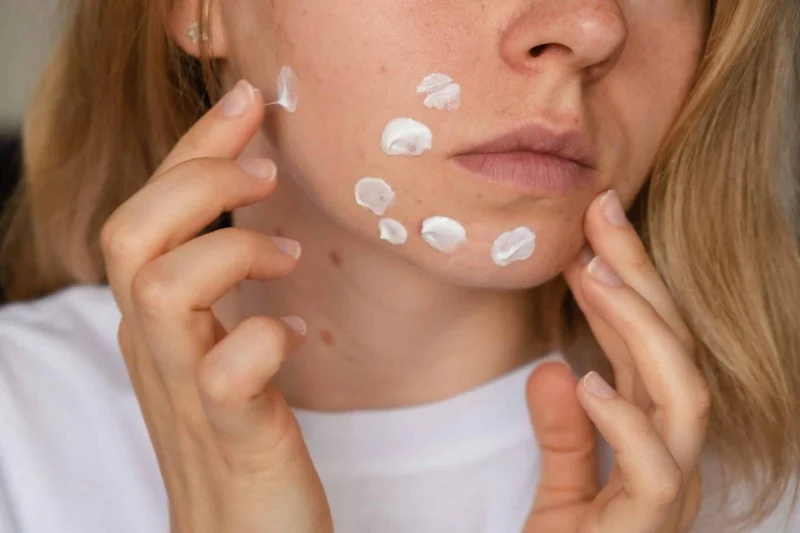
PIH occurs after an injury or inflammation to the skin, such as acne, eczema, or cuts. The skin darkens as it heals, leaving behind dark spots or patches.
2.4 Freckles
Freckles are genetic and often more prominent with sun exposure. These small, light brown spots typically appear on fair skin and are most noticeable during the warmer months when the skin is exposed to more sun.
3. Choosing the Right Treatment for Your Hyperpigmentation
Treating hyperpigmentation requires patience and consistency. Below are the key treatment options to consider:
3.1 Topical Treatments
There are several topical treatments that can help lighten dark spots and even out skin tone. These include:
- Vitamin C: Known for its brightening properties, Vitamin C helps to reduce the appearance of dark spots and protect against sun damage.
- Hydroquinone: This is a popular skin-lightening agent that works by inhibiting melanin production. It’s available in both over-the-counter and prescription formulations.
- Retinoids: Retinoids stimulate collagen production and skin turnover, which can help fade dark spots and improve skin texture.
- AHA/BHA Exfoliants: These exfoliants help remove dead skin cells, encouraging the growth of new, more even-toned skin.
3.2 Professional Treatments
If at-home treatments aren’t producing results, professional treatments may be an option. These include:
- Chemical Peels: Chemical peels use acids to exfoliate the skin, improving the texture and tone, while reducing dark spots.
- Laser Therapy: Laser treatments can target dark pigmentation directly and break down the excess melanin in the skin.
- Microneedling: This procedure uses fine needles to stimulate collagen production and can help reduce the appearance of hyperpigmentation over time.
3.3 Natural Remedies
If you prefer more natural options, there are ingredients like licorice extract, green tea, and niacinamide that may help reduce hyperpigmentation. While these remedies are generally gentler on the skin, they may take longer to show results.
4. Preventing Hyperpigmentation: What You Can Do
Preventing hyperpigmentation is often easier than treating it. Here are some essential tips to protect your skin and prevent dark spots from forming:
4.1 Wear Sunscreen
Sun exposure is one of the leading causes of hyperpigmentation. Always wear a broad-spectrum sunscreen with SPF 30 or higher, even on cloudy days. Reapply every two hours, especially if you're spending time outdoors.
4.2 Avoid Picking at Skin
Picking at pimples, scars, or scabs can lead to post-inflammatory hyperpigmentation. Try to resist the urge to touch your skin, and always use gentle products that won’t irritate your skin further.
4.3 Use Gentle Skincare Products
Avoid harsh exfoliants and products that can irritate your skin, as this can trigger hyperpigmentation. Choose products that are suitable for your skin type and that help maintain your skin’s natural barrier.
5. Conclusion: Empowering Your Skin Care Journey
Hyperpigmentation can be a frustrating condition, but with the right knowledge and treatment plan, you can reduce the appearance of dark spots and achieve an even skin tone. From understanding the causes of hyperpigmentation to choosing the best treatment for your skin, taking a personalized approach to your skincare is key to success. If you're unsure about which products or treatments are right for you, consider consulting a dermatologist or visiting a reputable skincare expert.
For expert advice and products to address your skin concerns, visit SkinCare Experts today!


 Elle Esthetics Boutique LLC0.0 (0 reviews)
 The SQN Clinic5.0 (2 reviews)
 Beneath The Surface Holistic Facial Studio5.0 (3 reviews)
 Marianela esthetic skincare and head spa0.0 (0 reviews)
 Bisha Herbals5.0 (122 reviews)
 The Arizona Skin Bar5.0 (166 reviews)
 Best Practices for Using Hyaluronic Acid to Improve Blackheads
 Skin Care Tips For Wrinkles And How To Manage It – Expert Advice & Daily Routine
 Guide to Skin Care Treatments for Blackheads in Women
 How to Choose the Right Sun Damage Treatments for People with Dry Skin
 Tips for Sensitive Skin With Redness in Teens – Calm and Care Effectively
 How to Choose the Right Way to Reduce Redness with These 7 Tips