
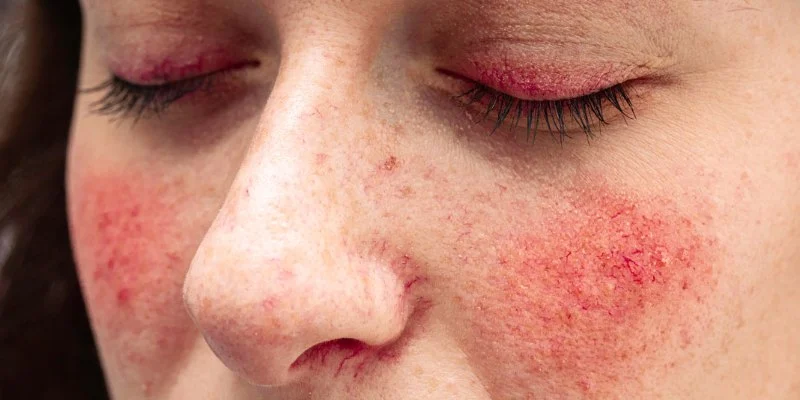
- 1- Understanding the Causes of Skin Redness
- 2- Home Remedies to Reduce Redness
- 3- Recommended Skincare Products for Redness
- 4- When to Seek Professional Help for Redness
- 5- Preventing Redness: Tips for Healthy Skin
Understanding the Causes of Skin Redness
Redness on the skin can occur for many reasons, ranging from temporary irritation to more serious medical conditions. Common causes of redness include:
1. Allergies and Sensitivities
Many people experience redness due to allergies, whether from food, skincare products, or environmental factors. These reactions can lead to skin irritation and visible redness.
2. Sunburn and Overexposure to UV Rays
Sunburn is one of the most common causes of temporary redness, often caused by prolonged exposure to the sun's harmful UV rays. The skin reacts by becoming inflamed and red as a result of the damage caused by UV radiation.
3. Skin Conditions
Conditions such as rosacea, eczema, or psoriasis can lead to chronic redness. These conditions cause inflammation and irritation, often requiring specific treatments for relief.
4. Irritants and Harsh Skincare Products
Using skincare products that contain alcohol, fragrances, or harsh chemicals can irritate the skin, leading to redness. Always choose gentle, hypoallergenic products to prevent such reactions.
Home Remedies to Reduce Redness
If you're dealing with temporary or mild redness, there are several effective home remedies you can try to soothe your skin:
1. Cold Compress
A cold compress can help reduce inflammation and calm irritated skin. Simply wrap ice in a soft cloth and apply it to the affected area for 10-15 minutes. This will constrict blood vessels and reduce redness.
2. Aloe Vera Gel
Aloe vera is known for its soothing properties and can provide relief from redness caused by sunburn or skin irritation. Apply fresh aloe vera gel directly to the skin for a cooling effect and faster healing.
3. Cucumber Slices
Cucumber contains antioxidants and anti-inflammatory compounds that help reduce swelling and redness. Place cool cucumber slices on the affected areas for 10-15 minutes to refresh your skin.
4. Green Tea Bags
Green tea is rich in antioxidants that can help calm redness and reduce inflammation. After brewing green tea, chill the tea bags in the refrigerator and apply them to your skin for a soothing effect.
Recommended Skincare Products for Redness
When it comes to treating redness, using the right skincare products is essential. Here are some products that can help:
1. Gentle Cleansers
Using a mild, fragrance-free cleanser is essential for reducing irritation. Look for cleansers that are hydrating and free from harsh chemicals. These products will cleanse without stripping the skin of its natural moisture.
2. Hydrating Moisturizers
Moisturizing is key to keeping the skin's barrier intact. Opt for a fragrance-free, hypoallergenic moisturizer that contains calming ingredients like chamomile or calendula to help soothe redness.
3. Anti-Redness Serums
Serums containing ingredients like niacinamide, vitamin C, or licorice extract can help reduce redness over time. These ingredients work to even out skin tone and calm inflammation, providing long-term relief.
4. Sunscreen with Broad Spectrum Protection
Always wear sunscreen with broad-spectrum protection to prevent further irritation or sunburn. Choose a sunscreen that is gentle on sensitive skin and provides a high level of SPF protection to shield your skin from UV-induced redness.
When to Seek Professional Help for Redness
If your redness persists despite using home remedies and skincare products, or if you notice other symptoms such as pain, swelling, or blistering, it may be time to consult a dermatologist. Professionals can diagnose underlying skin conditions such as rosacea, eczema, or dermatitis, and prescribe treatments to manage the issue effectively.
1. Persistent Redness and Pain
If the redness is accompanied by discomfort or worsens over time, it’s important to seek medical advice. Persistent redness could be a sign of an underlying condition that requires specialized treatment.
2. Signs of Infection
If you notice signs of infection such as pus, excessive swelling, or fever, seek professional care immediately. An untreated infection can lead to more serious complications.
Preventing Redness: Tips for Healthy Skin
Prevention is always better than cure. To avoid redness, consider adopting the following healthy habits:
1. Follow a Gentle Skincare Routine
Use gentle, non-irritating products and avoid over-cleansing or scrubbing your skin. Stick to a basic routine of cleansing, moisturizing, and protecting your skin from the sun.
2. Protect Your Skin from the Sun
Always apply sunscreen with an SPF of at least 30 before going outside, and reapply every two hours. Protective clothing and hats can also help shield your skin from harmful UV rays.
3. Avoid Known Triggers
If you know certain foods, products, or environmental factors trigger your redness, try to avoid them. For example, stay away from spicy foods, alcohol, or hot showers if they cause irritation.
4. Stay Hydrated
Hydration plays a crucial role in maintaining healthy skin. Drink plenty of water throughout the day to keep your skin hydrated from the inside out.
For more expert skincare advice and to find the best products for treating redness, visit SkinCare Experts.



 BBE AESTHETICS5.0 (1 reviews)
 Wright Fiona L MD2.0 (3 reviews)
 Bethlehem Lebneh skin and wellness4.0 (7 reviews)
 Outlaws Oasis LLC5.0 (27 reviews)
 Face Me Aesthetics5.0 (37 reviews)
 GG Bella Aesthetics5.0 (15 reviews)
 Guide to Skin Care Treatments for Dull Skin in People with Dry Skin
 How To Brighten Sun Damage Effectively
 Best Ingredients For Your Dark Circles With These 7 Tips | Effective Solutions for Tired Eyes
 How To Manage Blackheads Effectively with Smart Skincare Habits
 Tips For Sensitive Skin With Uneven Skin Tone: What You Need To Know
 How to Reduce Night Creams for Acne Skin and Achieve Clearer Skin