
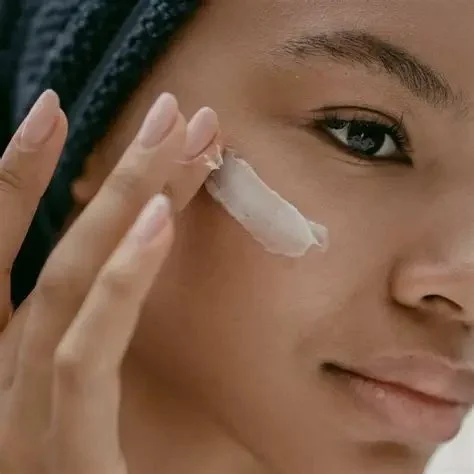
How To Reduce Night Creams For Acne Skin
When it comes to skincare for acne-prone skin, using the right products can make a world of difference. Night creams, often touted for their hydrating and nourishing properties, can be a game-changer for acne skin when used properly. However, it's important to choose the right night cream and apply it correctly to avoid worsening breakouts. In this guide, we'll explore how to reduce the use of night creams for acne skin and what to consider when selecting the best products for clear, healthy skin.
- 1. Why Night Creams Matter for Acne-Prone Skin
- 2. How to Choose the Right Night Cream for Acne Skin
- 3. Steps to Reduce Night Cream Usage for Acne
- 4. Additional Skincare Tips for Acne-Prone Skin
- 5. Real-Life Stories: How Night Creams Helped Acne-Prone Skin
1. Why Night Creams Matter for Acne-Prone Skin
Night creams are formulated to work with your skin's natural repair process while you sleep. They provide deep hydration and deliver essential nutrients that can help balance and restore your skin’s barrier. For acne-prone skin, certain night creams contain ingredients like salicylic acid, retinol, or niacinamide, which can help fight acne-causing bacteria, promote cell turnover, and reduce inflammation.
However, not all night creams are suitable for acne-prone skin. Some ingredients, especially those that are heavy or comedogenic (pore-clogging), can exacerbate breakouts. It’s crucial to be mindful of the ingredients and opt for lightweight, non-comedogenic formulations to avoid worsening your acne.
2. How to Choose the Right Night Cream for Acne Skin
Choosing the right night cream for acne-prone skin can be tricky, but with the right knowledge, it becomes easier. Here are some key factors to consider:
- Non-Comedogenic Ingredients: Look for night creams labeled "non-comedogenic," which means they won’t clog pores. Ingredients like glycerin, hyaluronic acid, and light oils (such as argan oil) are great choices for acne-prone skin.
- Acne-Fighting Actives: Consider night creams that contain acne-fighting ingredients like salicylic acid, benzoyl peroxide, or retinol. These ingredients help unclog pores, prevent breakouts, and promote skin renewal.
- Gentle Formulations: Acne-prone skin can be sensitive, so opt for night creams that are gentle and free from harsh chemicals, alcohol, or artificial fragrances that may irritate the skin.
3. Steps to Reduce Night Cream Usage for Acne
While night creams can be beneficial for acne-prone skin, overuse can sometimes lead to clogged pores, irritation, or worsening breakouts. To reduce your night cream usage without compromising your skin’s health, follow these steps:
- Start Slowly: If you're introducing a new night cream to your routine, start by using it only a few times a week to see how your skin reacts. Gradually increase the frequency as needed.
- Use Targeted Treatments: Instead of using a night cream every night, consider using targeted treatments like spot treatments, serums, or oils that specifically address acne. This allows you to focus on treating breakouts without overloading your skin.
- Balance Hydration: If you’re using acne treatments like benzoyl peroxide or retinol, it’s essential to balance hydration. Use a lighter, oil-free moisturizer or gel-based night cream on alternate nights to maintain skin hydration.
- Monitor Skin’s Reaction: Pay close attention to how your skin responds after using a night cream. If you notice increased breakouts or irritation, consider scaling back on usage or switching to a gentler formulation.
4. Additional Skincare Tips for Acne-Prone Skin
In addition to using the right night creams, following a comprehensive skincare routine can help you manage acne more effectively. Here are some extra tips:
- Cleanse Regularly: Always cleanse your face twice a day to remove dirt, oil, and makeup. This prevents clogged pores, which can contribute to breakouts.
- Exfoliate Weekly: Use a gentle exfoliator or chemical exfoliant (like AHAs or BHAs) once or twice a week to remove dead skin cells and keep your pores clear.
- Avoid Touching Your Face: Touching your face frequently can transfer bacteria and oil from your hands, leading to clogged pores and increased breakouts.
5. Real-Life Stories: How Night Creams Helped Acne-Prone Skin
Many people have seen significant improvements in their acne with the right night cream. For example, Sarah, a 28-year-old from California, struggled with cystic acne for years. After switching to a non-comedogenic night cream with salicylic acid, she noticed fewer breakouts and smoother skin within just a few weeks. Sarah’s story highlights how choosing the right product for your skin type can make a huge difference.
Similarly, John, a 35-year-old with combination skin, found success using a night cream that balanced oil production while treating acne. By reducing his night cream usage and incorporating an acne treatment serum, John was able to manage his breakouts without overloading his skin.
If you’re unsure which night cream is best for you, check out SkinCare Experts for personalized recommendations and product suggestions tailored to your unique skin needs.



 I A M Clinic | 和颜医美4.0 (27 reviews)
 Esthetics Center New England4.0 (46 reviews)
 Libra Moon Esthetics5.0 (11 reviews)
 SkinMD Seattle Laser & Aesthetic Medical Clinic5.0 (7 reviews)
 Aesthetics by Mary4.0 (47 reviews)
 Gloria's Skin & Body Care5.0 (1 reviews)
 Understanding Moisturizer to Improve Age Spots and Brighten Skin
 Expert Advice on Puffy Eyes in People Over 40 – Causes and Solutions
 Daily Skin Care Routine For Your Dull Skin With These 7 Tips
 How to Effectively Detoxify Large Pores – Tips & Expert Advice
 Best Practices For Inflamed Skin In Dry Climates
 Daily Skin Care Routine for Puffy Eyes | Tips for Healthy, Bright Eyes