
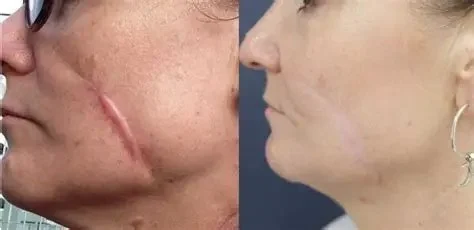
1. Understanding Scars: What You Need to Know
Scars are a natural part of the skin’s healing process, but many individuals seek ways to minimize their appearance. Whether from an injury, surgery, or acne, scars can affect self-esteem and confidence. In this section, we will dive into the science behind scarring, its types, and factors that influence the healing process.
Types of Scars
There are several types of scars, each with unique characteristics and healing patterns. The most common types include:
- Hypertrophic scars: Raised and red scars that form within the original wound boundary.
- Keloid scars: Larger, thicker scars that extend beyond the original wound.
- Atrophic scars: Sunken scars, commonly seen after acne, caused by a loss of tissue.
Factors Affecting Scar Healing
The healing process and scar formation can vary greatly based on several factors, including:
- Age: Younger skin heals faster and may form less noticeable scars.
- Skin type: Darker skin tones may be more prone to keloid scars.
- Genetics: Family history can play a role in scar formation and healing.
- Wound care: Proper wound care can prevent complications that lead to more severe scarring.
2. Effective Methods for Scar Treatment
When it comes to treating scars effectively, there are various methods that can promote healing and reduce visibility. Here are some of the most popular and effective techniques:
Topical Treatments
Using topical creams, oils, and gels can help reduce the appearance of scars. Some effective ingredients include:
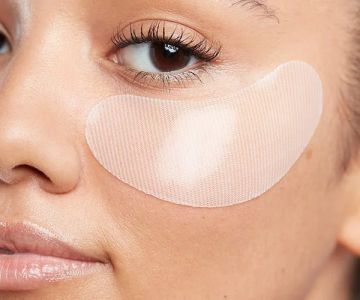
- Silicone Gel Sheets: Known for their ability to soften and flatten raised scars, silicone gel sheets are often recommended by dermatologists.
- Vitamin E: A popular remedy believed to help with skin regeneration, though results may vary.
- Corticosteroid Creams: These are used to reduce inflammation and the growth of scar tissue.
Natural Remedies for Scars
If you prefer a natural approach, there are several home remedies that may aid in scar healing. Popular options include:
- Aloe Vera: Known for its healing properties, aloe vera can soothe and promote the healing of scars.
- Coconut Oil: Rich in antioxidants and moisturizing properties, coconut oil helps in softening scars and improving the skin’s texture.
- Honey: A natural moisturizer with anti-inflammatory properties that can help scar healing.
Advanced Treatments
For more persistent or severe scars, medical treatments may be necessary. Some advanced options include:
- Laser Therapy: This treatment uses light energy to break down scar tissue and promote new skin growth.
- Microneedling: Involves tiny needles that stimulate collagen production, improving the appearance of scars.
- Surgical Scar Revision: For large or disfiguring scars, surgical intervention may be considered to remove or minimize their appearance.
3. Scar Prevention Tips: How to Reduce Scarring
Preventing scars from forming in the first place is always the best approach. Here are some scar prevention tips that can help minimize the likelihood of scarring:
Proper Wound Care
Keeping wounds clean, covered, and hydrated is essential for proper healing. Apply antibiotic ointments as directed, and avoid picking at scabs or scratching the affected area. This ensures that the skin heals properly and without complications.
Protecting the Skin from the Sun
Sun exposure can darken scars and make them more noticeable. Always use sunscreen with a high SPF when going outside, especially on freshly healed wounds. Protective clothing and hats can also help shield the skin from harmful UV rays.
Consistent Moisturization
Keeping the skin hydrated promotes healing and can help minimize scar formation. Use a good moisturizer or oil to keep the skin soft and pliable during the healing process.
4. Real-Life Case Studies: Scar Healing Success Stories
To give a better understanding of how these treatments work, let’s look at a few real-life examples of individuals who have successfully treated their scars.
Case Study 1: Acne Scar Treatment
Emily, a 28-year-old woman, struggled with deep acne scars for years. She started using a combination of silicone gel sheets and microneedling, and after six months, her scars had significantly diminished. Her skin texture became smoother, and she regained confidence in her appearance.
Case Study 2: Surgical Scar Healing
John, a 45-year-old man, had a large scar from a surgery on his abdomen. He opted for laser therapy and a topical corticosteroid cream as part of his post-surgery care. After a few months of consistent treatment, the scar became much less visible, and John was thrilled with the results.
5. Why You Should Trust SkinCare Experts for Scar Solutions
If you're looking for the most effective products and treatments for your scars, SkinCare Experts offers a wide range of high-quality options tailored to meet your skin’s needs. Whether you're dealing with acne scars, surgical scars, or stretch marks, our expert recommendations ensure that you get the best possible solutions. Visit our site for personalized advice and to discover the best products for your skin.

 GLO30 National Landing4.0 (218 reviews)
 Linda Lee Skin Care & Natural Nails5.0 (2 reviews)
 Carson Skin Rejuvenation5.0 (13 reviews)
 Charm's Aesthetics, LLC5.0 (5 reviews)
 Skin By Candace4.0 (13 reviews)
 Epiphany Dermatology4.0 (1746 reviews)
 How To Boost Your Skin's Sensitive Skin In People Living In Humid Climates
 How To Repair Scars In People Over 40
 How To Brighten Sun Damage Effectively
 Top Tips for Fine Lines in Women: How to Manage and Reduce Them
 How To Reduce Dull Skin With A Simple Routine | Skincare Tips for Radiance
 How To Use Inflamed Skin Treatments for People with Combination Skin