
- 1 - Understanding What Causes Skin Redness
- 2 - Identify Personal Triggers That Worsen Redness
- 3 - Choosing the Right Skin Care Products
- 4 - Importance of Hydration for Calming Redness
- 5 - Soothing Ingredients That Truly Work
- 6 - Real-Life Experience: Tackling Redness with Patience
- 7 - When to Seek Professional Guidance for Persistent Redness
1 - Understanding What Causes Skin Redness
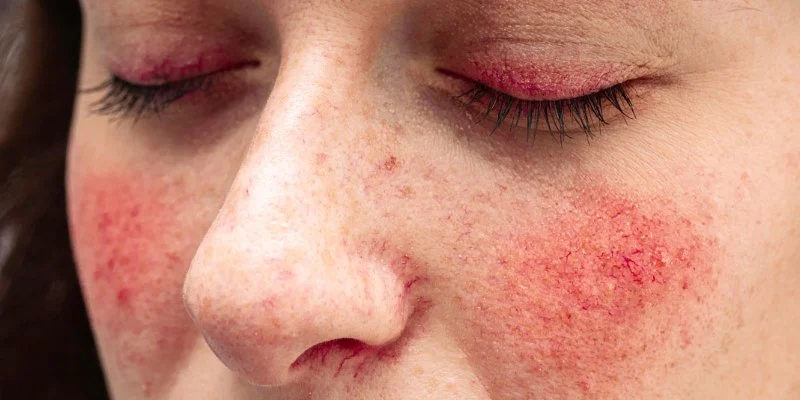
Skin redness can stem from various conditions including rosacea, sensitivity, allergies, or even environmental factors like wind and sun exposure. For some, redness is occasional, but for others it is a constant concern that affects confidence and daily routines. Understanding the underlying cause is the first step in learning how to manage it effectively.
2 - Identify Personal Triggers That Worsen Redness
Not all redness is created equal. For some people, spicy foods or alcohol trigger flushing, while others notice flare-ups after intense workouts or in extreme weather. By keeping a skin diary to track when redness worsens, you can identify patterns and reduce exposure to your specific triggers. This small habit often provides clarity and direction for better skin management.
3 - Choosing the Right Skin Care Products
Harsh cleansers, scrubs, or alcohol-based toners are common culprits behind increased redness. Instead, opt for gentle, fragrance-free formulas that respect your skin barrier. Cream cleansers or micellar water are excellent choices for sensitive skin. At SkinCare Experts, curated collections highlight redness-friendly products that balance effectiveness with gentleness, saving users from endless trial and error.
4 - Importance of Hydration for Calming Redness
Dryness can intensify redness and irritation. A well-hydrated skin barrier defends against environmental stressors and reduces sensitivity. Look for moisturizers with hyaluronic acid, ceramides, or oat extracts, which help restore the skin barrier. Using lukewarm water instead of hot water when cleansing also preserves natural oils essential for calmer skin.
5 - Soothing Ingredients That Truly Work
Some ingredients have earned a reputation for reducing redness effectively. Aloe vera, chamomile, green tea extract, and niacinamide are all excellent examples. These not only calm the skin but also provide additional benefits such as anti-inflammatory and antioxidant protection. Regular use of these ingredients often results in noticeable improvements over time.
6 - Real-Life Experience: Tackling Redness with Patience
A young professional in London struggled with visible cheek redness that worsened under stress. After consulting a dermatologist, she swapped out harsh exfoliators for calming cleansers and added a niacinamide serum to her daily routine. Within a few months, her skin tone became more even, and flare-ups occurred less frequently. Her story shows how small but consistent changes can deliver long-term relief.
7 - When to Seek Professional Guidance for Persistent Redness
Sometimes redness persists despite lifestyle changes and careful skin care routines. In these cases, dermatologists can provide tailored advice or prescribe treatments that target specific conditions such as rosacea or eczema. If over-the-counter solutions fall short, professional care ensures that redness is managed effectively while minimizing further irritation. Personalized recommendations, like those from SkinCare Experts, often bridge the gap between self-care and medical guidance.


 GLO30 National Landing4.0 (218 reviews)
 Linda Lee Skin Care & Natural Nails5.0 (2 reviews)
 Carson Skin Rejuvenation5.0 (13 reviews)
 Charm's Aesthetics, LLC5.0 (5 reviews)
 Skin By Candace4.0 (13 reviews)
 Epiphany Dermatology4.0 (1746 reviews)
 How To Boost Your Skin's Sensitive Skin In People Living In Humid Climates
 How To Repair Scars In People Over 40
 How To Brighten Sun Damage Effectively
 Top Tips for Fine Lines in Women: How to Manage and Reduce Them
 How To Reduce Dull Skin With A Simple Routine | Skincare Tips for Radiance
 How To Use Inflamed Skin Treatments for People with Combination Skin