
How to Choose the Right Sun Damage Treatments for People with Dry Skin
- 1 - Understanding Dry Skin and Sun Damage
- 2 - Why Dry Skin Needs Special Care for Sun Damage
- 3 - Key Ingredients for Sun Damage Treatments for Dry Skin
- 4 - Steps to Choosing the Right Sun Damage Treatment for Dry Skin
- 5 - Real Life Example of Treating Sun Damage on Dry Skin
1. Understanding Dry Skin and Sun Damage
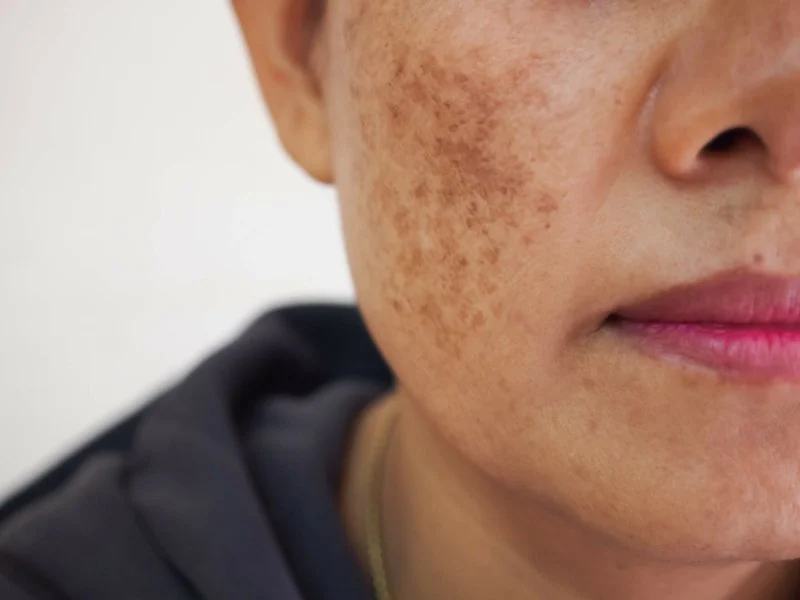
Dry skin is a common concern that affects many individuals, especially when exposed to harsh environmental factors like the sun. When dry skin is exposed to the sun for prolonged periods, it can become even more vulnerable to damage. The combination of reduced moisture in the skin and harmful UV rays can accelerate the aging process, cause irritation, and contribute to the development of sunburns and hyperpigmentation.
Understanding how the skin reacts to sun exposure is crucial for choosing the right treatments. Dry skin has a compromised barrier, making it harder to retain moisture and defend against external factors like the sun's harmful rays. Therefore, it's essential to use specific sun damage treatments that address both the effects of UV damage and the hydration needs of dry skin.
2. Why Dry Skin Needs Special Care for Sun Damage
People with dry skin have unique needs when it comes to sun care. Dry skin often lacks sufficient moisture, making it more prone to irritation and damage from UV rays. Overexposure to the sun can lead to the following:
- Increased Dehydration: Sun exposure can strip the skin of its natural oils, leading to increased dryness and irritation.
- Exacerbation of Fine Lines and Wrinkles: Dry skin is more prone to the development of wrinkles, and sun exposure can accelerate this process.
- Hyperpigmentation: UV rays can trigger the production of melanin, leading to dark spots and uneven skin tone, especially in dry, sun-damaged skin.
For these reasons, it’s crucial to select treatments that hydrate the skin while repairing the damage caused by sun exposure. Effective treatments should not only offer protection but also help restore the skin’s moisture balance and reduce visible signs of aging.
3. Key Ingredients for Sun Damage Treatments for Dry Skin
When choosing the right treatments for sun damage on dry skin, it's important to look for ingredients that both hydrate and repair the skin. Some key ingredients to consider include:
- Hyaluronic Acid: Known for its ability to attract and retain moisture, hyaluronic acid helps hydrate dry skin, leaving it plump and refreshed.
- Aloe Vera: Aloe vera is soothing and cooling, making it ideal for calming sunburns and providing relief to dry, irritated skin.
- Vitamin C: This powerful antioxidant helps reduce hyperpigmentation, brighten the skin, and protect it from further sun damage.
- Niacinamide: A form of vitamin B3, niacinamide helps strengthen the skin’s barrier, reduce redness, and improve overall texture, making it ideal for dry, sun-damaged skin.
- Ceramides: These lipid molecules help restore the skin’s natural barrier, locking in moisture and preventing further dehydration caused by sun exposure.
Choosing products that contain these ingredients will help nourish your skin while targeting the damage caused by sun exposure. Make sure to also look for products with SPF protection to prevent further UV damage.
4. Steps to Choosing the Right Sun Damage Treatment for Dry Skin
When selecting a sun damage treatment for dry skin, follow these steps to ensure you choose the right products:
- Identify Your Skin’s Specific Needs: Assess whether your skin is simply dry, sunburned, or showing signs of aging. Understanding your skin’s condition will help guide your treatment choice.
- Look for Hydrating Ingredients: As dry skin requires extra moisture, prioritize products that contain hydrating ingredients like hyaluronic acid, aloe vera, and ceramides.
- Ensure Broad-Spectrum SPF: Protect your skin from further sun damage by choosing products with SPF 30 or higher. Broad-spectrum sunscreen will protect against both UVA and UVB rays.
- Check for Gentle Formulas: Avoid harsh exfoliants or alcohol-based products that can further dry out or irritate the skin. Opt for soothing and calming ingredients instead.
- Consider Skin Sensitivity: If your skin is highly sensitive, look for hypoallergenic, fragrance-free formulas to minimize the risk of irritation.
By following these steps, you can select the right products that provide both immediate relief and long-term repair for your sun-damaged dry skin.
5. Real Life Example of Treating Sun Damage on Dry Skin
Sarah, a 35-year-old woman with dry skin, was constantly battling sunburns and the visible effects of sun exposure, including dark spots and fine lines. After consulting a dermatologist, Sarah began using a hydrating sunscreen with SPF 50, a vitamin C serum, and a moisturizer enriched with ceramides and hyaluronic acid. Over the next few months, her skin became noticeably smoother, with reduced redness and a more even skin tone. By combining sun protection with moisturizing treatments, Sarah was able to protect her skin and repair previous sun damage.
For individuals like Sarah, understanding the right combination of products for dry, sun-damaged skin is essential. If you're looking for the best products to repair and protect your skin, visit SkinCare Experts for expert recommendations and the most effective treatments available.




 ProSkin5.0 (20 reviews)
 Especially Aesthetic0.0 (0 reviews)
 Cameron Dermatology4.0 (572 reviews)
 LillyFace Premium Skin Care5.0 (1 reviews)
 Wake Up & Make Up By Ann Located in own building4.0 (13 reviews)
 Tampa Bay Laser Lipo4.0 (55 reviews)
 Daily Skin Care Routine for Dark Circles in People Living in Dry Climates
 How to Avoid Oily Skin in People with Sensitive Skin – Dermatologist Tips & Daily Skincare Guide
 How To Soothe Cleansers to Improve Inflamed Skin Naturally and Effectively
 How to Deal with Uneven Skin Tone Using Natural Remedies
 Daily Skin Care Routine For Dull Skin In People With Sensitive Skin
 How To Soothe Redness Using Natural Remedies