
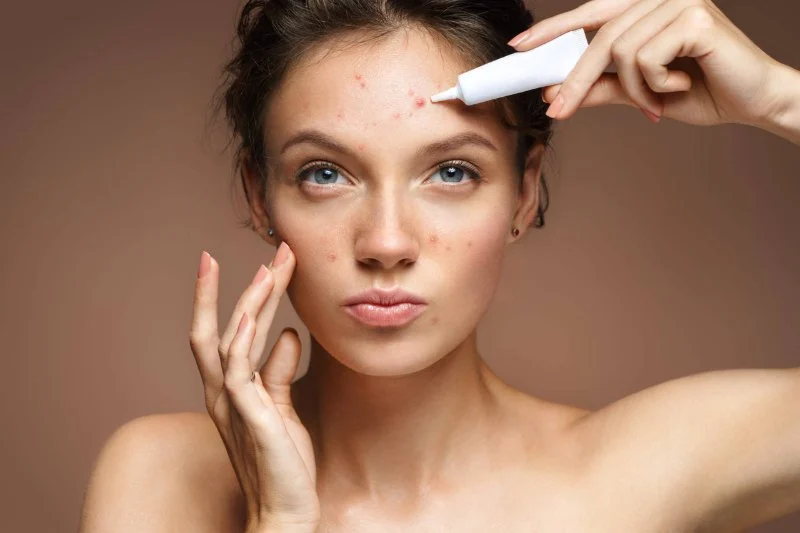
- Understanding Acne: What Causes It?
- Effective Treatment Methods for Acne
- How to Manage Acne Long-term
- Common Myths About Acne Treatment
- Real-Life Acne Treatment Success Stories
- Our Recommendations for Acne Care
Understanding Acne: What Causes It?
Acne is one of the most common skin conditions worldwide, affecting people of all ages. It occurs when hair follicles become clogged with oil and dead skin cells, leading to the formation of pimples, blackheads, and cysts. But what causes these blockages, and why does acne appear?
Factors Contributing to Acne
Several factors contribute to acne development, including:
1. Hormonal Changes
Hormonal fluctuations during puberty, menstruation, pregnancy, or while taking birth control can increase oil production in the skin, leading to acne outbreaks. Androgens, the male hormones that increase in both boys and girls during puberty, are a major trigger for acne.
2. Excess Oil Production
When your skin produces too much oil (sebum), it can mix with dead skin cells and clog your pores, creating an environment where acne-causing bacteria can thrive.
3. Bacterial Growth
The skin’s surface is home to a variety of bacteria. In the case of acne, the bacteria known as *Propionibacterium acnes* (P. acnes) can multiply when pores become clogged, leading to inflammation and acne breakouts.
4. Lifestyle Factors
Poor diet, stress, and inadequate skincare habits can also exacerbate acne. Certain foods, especially those high in sugar and dairy, have been linked to acne flare-ups. Stress can trigger hormone imbalances, while harsh skincare products can irritate the skin, leading to further outbreaks.
Effective Treatment Methods for Acne
There are several acne treatment methods available, ranging from over-the-counter products to professional treatments. Here's a look at some of the most effective ways to treat acne:
1. Topical Treatments
Topical treatments are often the first line of defense when it comes to treating acne. These include:
1.1 Benzoyl Peroxide
Benzoyl peroxide helps kill acne-causing bacteria and reduces inflammation. It’s available in various concentrations in over-the-counter gels, creams, and washes.
1.2 Salicylic Acid
Salicylic acid helps exfoliate the skin and unclog pores, preventing acne formation. It’s commonly found in cleansers, toners, and spot treatments.
1.3 Retinoids
Retinoids are derived from Vitamin A and help unclog pores while encouraging the production of new skin cells. Prescription-strength retinoids are often used for more severe acne, while milder versions are available over-the-counter.
2. Oral Medications
If topical treatments aren’t effective, oral medications may be prescribed by a doctor. Some common options include:
2.1 Antibiotics
Oral antibiotics like tetracycline or doxycycline reduce the number of acne-causing bacteria on the skin and help control inflammation.
2.2 Birth Control Pills
For women, birth control pills can regulate hormones that trigger acne. These pills can help balance the levels of androgens and reduce oil production in the skin.
2.3 Isotretinoin (Accutane)
Isotretinoin is a powerful medication that treats severe acne by reducing oil production in the skin. It's often used when other treatments fail, but it comes with potential side effects and requires close monitoring by a doctor.
3. Professional Treatments
If acne persists despite over-the-counter and oral treatments, professional treatments may be necessary. Options include:
3.1 Chemical Peels
A chemical peel uses a special solution to remove the top layers of skin, helping to unclog pores and reduce acne scars.
3.2 Laser Therapy
Laser treatments target the bacteria that cause acne and reduce the appearance of scars. They work by stimulating the skin’s healing process, improving overall skin texture.
3.3 Drainage and Extraction
For cystic acne, a dermatologist may drain the cysts or extract comedones (blackheads and whiteheads) to reduce inflammation and promote healing.
How to Manage Acne Long-term
Managing acne goes beyond just treatment—it’s about developing a consistent skincare routine and making lifestyle adjustments to prevent future breakouts. Here’s how to keep acne under control:
1. Consistent Skincare Routine
Using a gentle, non-comedogenic cleanser twice a day is crucial. Avoid scrubbing your face too harshly, as this can irritate the skin and make acne worse. Follow up with a lightweight, oil-free moisturizer to keep your skin hydrated without clogging pores.
2. Avoid Touching Your Face
Touching your face transfers oils and bacteria from your hands to your skin, increasing the likelihood of breakouts. Try to avoid touching your face throughout the day, and always wash your hands before applying skincare products.
3. Eat a Balanced Diet
A healthy diet can play a significant role in managing acne. Focus on eating nutrient-dense foods rich in antioxidants, such as fruits, vegetables, and whole grains. Avoid excessive sugar and dairy products, as these can trigger acne flare-ups in some individuals.
4. Stress Management
Stress is a known trigger for acne. Engage in activities that reduce stress, such as exercise, yoga, or meditation, to help maintain a clear complexion.
Common Myths About Acne Treatment
There are several misconceptions about acne treatment that can hinder your progress. Let’s debunk some of the most common myths:
1. Myth: Acne Is Caused by Poor Hygiene
While hygiene plays a role, acne is not caused by dirty skin. Over-washing your face can actually irritate the skin and make acne worse. The real causes are hormonal changes, excess oil, and bacteria.
2. Myth: Tanning Helps Clear Up Acne
While tanning may temporarily dry out acne, it can worsen the condition in the long term by increasing oil production and causing skin damage. The sun's UV rays can also lead to hyperpigmentation and scarring.
3. Myth: Popping Pimples Helps Them Heal Faster
Popping pimples can push bacteria deeper into the skin, leading to more inflammation and scarring. It's best to let pimples heal naturally or seek professional treatment for extraction.
Real-Life Acne Treatment Success Stories
Many people have struggled with acne, but with the right treatment plan, they’ve achieved clear, healthy skin. For example, Emily, a 26-year-old woman, battled severe cystic acne for years. After trying numerous over-the-counter products with little success, she consulted a dermatologist who prescribed a combination of oral antibiotics and topical treatments. Within a few months, her skin significantly improved, and she now enjoys clear skin.
Our Recommendations for Acne Care
If you’re looking for effective acne treatments, visit SkinCare Experts for the best products and advice tailored to your specific skin type. Consistency is key when managing acne, and the right treatment can help you achieve long-term results. Don't forget to maintain a healthy skincare routine and be patient with the process.

 ProSkin5.0 (20 reviews)
 Especially Aesthetic0.0 (0 reviews)
 Cameron Dermatology4.0 (572 reviews)
 LillyFace Premium Skin Care5.0 (1 reviews)
 Wake Up & Make Up By Ann Located in own building4.0 (13 reviews)
 Tampa Bay Laser Lipo4.0 (55 reviews)
 Daily Skin Care Routine for Dark Circles in People Living in Dry Climates
 How to Avoid Oily Skin in People with Sensitive Skin – Dermatologist Tips & Daily Skincare Guide
 How To Soothe Cleansers to Improve Inflamed Skin Naturally and Effectively
 How to Deal with Uneven Skin Tone Using Natural Remedies
 Daily Skin Care Routine For Dull Skin In People With Sensitive Skin
 How To Soothe Redness Using Natural Remedies