
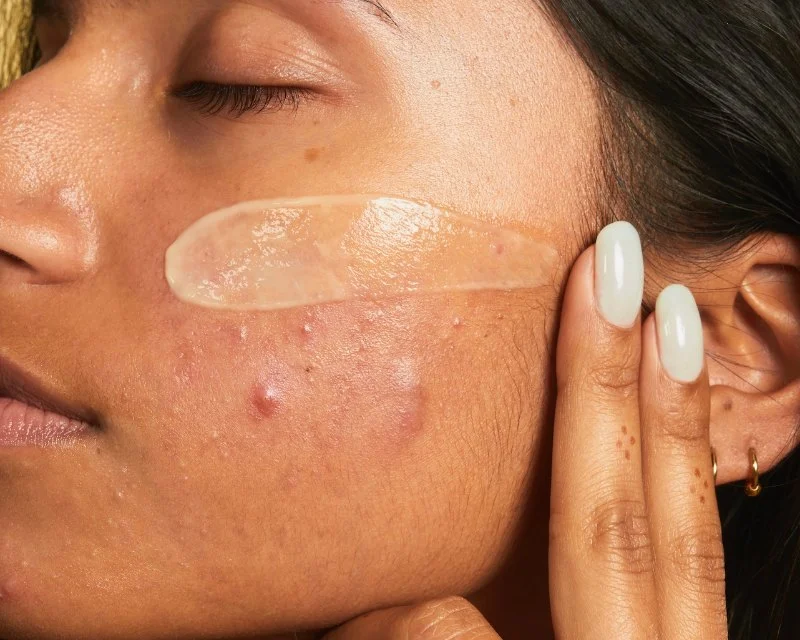
- understanding-inflamed-skin
- common-causes-of-skin-inflammation
- how-to-avoid-inflamed-skin-daily-habits
- managing-inflamed-skin-effectively
- real-life-stories-and-examples
- expert-recommendations-and-prevention
- finding-the-right-skincare-support
1. Understanding Inflamed Skin
Learning how to avoid inflamed skin and how to manage it begins with understanding what skin inflammation actually means. Inflamed skin often appears red, swollen, and irritated, and may be accompanied by burning or itching sensations. While occasional flare-ups can be harmless, persistent or severe inflammation can signal underlying health or lifestyle issues that need attention.
2. Common Causes of Skin Inflammation
2.1 Environmental Triggers
Pollution, sun exposure, and allergens like pollen can irritate the skin and lead to inflammation. Overexposure to UV rays, for instance, breaks down skin barriers and creates redness or peeling.
2.2 Lifestyle and Product-Related Factors
Harsh skincare products, poor diet, and lack of sleep can all contribute to inflammation. Processed foods rich in sugar and oils are particularly known for worsening skin sensitivity.
2.3 Health Conditions and Stress
Conditions such as eczema, rosacea, and psoriasis are commonly associated with inflamed skin. Additionally, stress impacts hormone levels, which can directly trigger breakouts and flare-ups.
3. How to Avoid Inflamed Skin Through Daily Habits
3.1 Choosing Gentle Skincare
Switching to fragrance-free, non-comedogenic skincare products helps reduce the chance of irritation. Simple steps like using lukewarm water instead of hot water during cleansing can also make a difference.
3.2 Nutrition and Hydration
A diet rich in antioxidants, omega-3 fatty acids, and hydration from water can strengthen skin defenses. Avoiding alcohol and reducing sugar intake often shows quick improvements in skin texture and calmness.
3.3 Protective Practices
Daily sunscreen use is one of the most effective ways to prevent inflamed skin caused by UV exposure. Protective clothing, such as wide-brimmed hats, also helps minimize direct damage.
4. Managing Inflamed Skin Effectively
4.1 At-Home Remedies
Cold compresses, aloe vera gels, and oatmeal masks provide soothing relief. These natural remedies calm irritation and reduce redness without harsh side effects.
4.2 Professional Guidance
Dermatologists often recommend topical corticosteroids or prescription creams for severe cases. Light therapy and anti-inflammatory medications are also options when inflammation persists.
5. Real-Life Stories and Examples
One notable case involves a lifestyle blogger who battled recurring facial redness. After eliminating fragranced skincare products and adjusting her diet, she noticed a significant improvement. This reflects how small lifestyle shifts can make a major impact on managing skin inflammation.
6. Expert Recommendations and Prevention
Experts stress the importance of consistency in skincare routines. Over-washing, frequent product switching, or aggressive exfoliation can worsen inflamed skin. Instead, dermatologists advise gradual, balanced routines to keep the skin barrier healthy and strong.
7. Finding the Right Skincare Support
For individuals struggling with ongoing skin issues, finding trusted resources is crucial. Platforms like SkinCare Experts provide access to tailored products, services, and advice that suit different skin types and conditions. With professional guidance, managing and avoiding inflamed skin becomes easier and more effective.
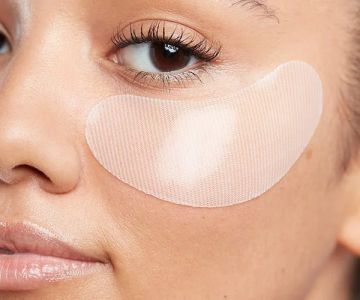





 GLO30 National Landing4.0 (218 reviews)
 Linda Lee Skin Care & Natural Nails5.0 (2 reviews)
 Carson Skin Rejuvenation5.0 (13 reviews)
 Charm's Aesthetics, LLC5.0 (5 reviews)
 Skin By Candace4.0 (13 reviews)
 Epiphany Dermatology4.0 (1746 reviews)
 How To Boost Your Skin's Sensitive Skin In People Living In Humid Climates
 How To Repair Scars In People Over 40
 How To Brighten Sun Damage Effectively
 Top Tips for Fine Lines in Women: How to Manage and Reduce Them
 How To Reduce Dull Skin With A Simple Routine | Skincare Tips for Radiance
 How To Use Inflamed Skin Treatments for People with Combination Skin