
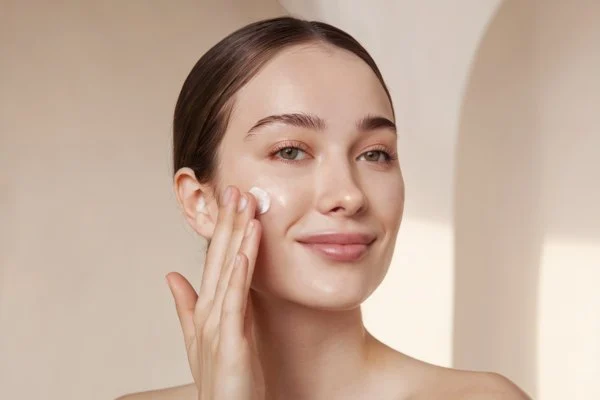
1. Understanding Skin Texture and Common Issues
Skin texture refers to the smoothness and evenness of your skin’s surface. Factors such as dryness, enlarged pores, uneven collagen distribution, and environmental stressors can cause roughness, bumps, or dullness. Genetics, lifestyle habits, and aging also play significant roles in skin texture changes.
1.1 Common Causes of Rough or Uneven Skin
- Dead skin cell buildup leading to dullness.
- Sun exposure causing photoaging and rough patches.
- Acne scars and post-inflammatory hyperpigmentation.
- Loss of elasticity due to natural aging.
1.2 Why Skin Texture Matters
Healthy, smooth skin reflects light evenly and gives a youthful, vibrant appearance. Improving texture enhances not only aesthetics but also the absorption of other skin care products.
2- Key Ingredients to Improve Skin Texture
Effective skin texture improvement starts with understanding ingredients that actively target roughness, dryness, and fine lines.
2.1 Exfoliating Acids
Alpha Hydroxy Acids (AHAs) like glycolic and lactic acid gently remove dead skin cells, promoting smoothness. Beta Hydroxy Acids (BHAs) like salicylic acid penetrate pores to reduce congestion and minimize bumps.
2.2 Retinoids
Retinol and prescription retinoids accelerate cell turnover, improve collagen production, and reduce fine lines and acne scars, contributing to a more even texture.
2.3 Antioxidants
Vitamin C, niacinamide, and green tea extract protect against oxidative stress, lighten discoloration, and strengthen skin resilience.
2.4 Hydrating Agents
Hyaluronic acid, glycerin, and ceramides maintain moisture, plump skin, and enhance softness, which is crucial for tactile and visual smoothness.
3- Types of Skin Care Products for Texture Improvement
Different product types target texture concerns in specific ways. Combining them strategically enhances results.
3.1 Serums
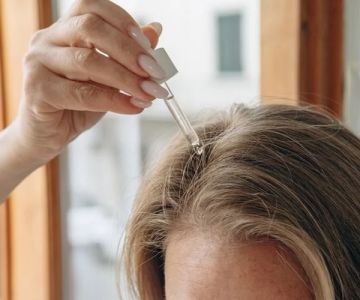
Concentrated formulations containing retinol, Vitamin C, or peptides penetrate deeply and target uneven tone and fine lines.
3.2 Moisturizers
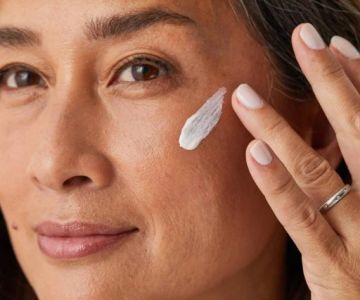
Moisturizers with ceramides and hyaluronic acid strengthen the skin barrier and maintain hydration, which is essential for soft, smooth skin.
3.3 Exfoliating Treatments
Chemical peels, acid toners, or exfoliating masks remove dead skin layers, improving surface texture and promoting radiance.
3.4 Sunscreens
Daily SPF prevents photoaging, a major contributor to roughness and uneven skin tone. Broad-spectrum sunscreens protect against both UVA and UVB rays.
4- How to Choose the Right Products for Your Skin
Selecting the right products depends on your skin type, concerns, and tolerance.
4.1 Identifying Skin Type
Dry, oily, combination, or sensitive skin requires different formulations. For instance, lightweight serums suit oily skin, while rich creams benefit dry skin.
4.2 Concentration and Potency
Beginners should start with lower concentrations of retinol or acids to minimize irritation, gradually increasing as skin adapts.
4.3 Patch Testing
Testing a small area ensures no adverse reactions occur, especially for potent actives like retinoids or strong acids.
5- Application Tips and Routine Integration
Proper application and routine integration maximize product effectiveness.
5.1 Layering Correctly
Apply products from lightest to heaviest texture: serums, treatments, then moisturizers. Always follow with sunscreen during the day.
5.2 Frequency of Use
Exfoliating acids and retinoids should be introduced gradually. Daily moisturizers and antioxidants can be used morning and night.
5.3 Consistency and Patience
Texture improvement takes time. Consistent use over several weeks produces visible, long-lasting results.
6- Real-Life Case Studies and User Experiences
Examples of successful skin texture improvement help illustrate practical application.
6.1 Emily’s Smooth Skin Transformation
Emily, a 28-year-old marketing professional in Los Angeles, used a combination of lactic acid toner, Vitamin C serum, and ceramide moisturizer. After eight weeks, her skin felt softer, smoother, and exhibited fewer bumps.
6.2 Mark’s Anti-Aging Routine
Mark, a 42-year-old software engineer, incorporated retinol serum and hyaluronic acid cream. Within three months, fine lines decreased, and his skin texture appeared more even and firm.
7- Combining Products for Maximum Effectiveness
Using complementary products enhances results while minimizing irritation.
7.1 Pairing Antioxidants with Moisturizers
Vitamin C serums followed by hydrating creams improve absorption and maintain skin barrier integrity.
7.2 Alternating Active Treatments
Use retinol and exfoliating acids on alternate nights to prevent over-exfoliation and maintain balance.
7.3 Sun Protection as a Daily Priority
Even the best texture-improving products cannot protect against UV-induced roughness without daily sunscreen application.
8- Common Mistakes to Avoid
Awareness of mistakes prevents setbacks in texture improvement.
8.1 Over-Exfoliation
Excessive use of acids or scrubs can compromise the skin barrier, leading to sensitivity or redness.
8.2 Skipping Sunscreen
Neglecting SPF undoes the benefits of anti-aging and texture-improving products.
8.3 Ignoring Skin Type
Using products unsuitable for your skin type can cause breakouts, irritation, or inadequate results.
9- SkinCare Experts Recommendations
For personalized guidance and high-quality product selection, SkinCare Experts offers curated recommendations. Their platform helps users identify serums, creams, and exfoliants tailored to specific texture concerns and skin types, ensuring effective results and safe application.
By understanding the science behind skin texture and selecting the right products, you can achieve smoother, healthier, and more radiant skin while protecting it from environmental and aging-related damage.

 Marissa Knapke, Aesthetician0.0 (0 reviews)
 Southern Connecticut Dermatology4.0 (274 reviews)
 Skin Slayer4.0 (48 reviews)
 afterSEVEN5.0 (7 reviews)
 Facial Architect5.0 (5 reviews)
 Lilliana a Skincare Boutique0.0 (0 reviews)
 How To Reduce Dull Skin With A Simple Routine
 How To Achieve Face Masks To Improve Age Spots
 Skin Care Tips for Treating Scars with Eye Creams
 The Benefits of Fermented Ingredients in Skincare Products
 How To Reduce Dull Skin With A Simple Routine | Skincare Tips for Radiance
 How To Heal Sun Damage And How To Manage It | SkinCare Experts