
- 1. Understanding Scars and Their Formation
- 2. Effective Skin Care Tips for Scars
- 3. Natural Remedies for Scar Treatment
- 4. Professional Treatments for Scar Reduction
- 5. Personal Experiences and Success Stories
- 6. Conclusion: Long-Term Scar Care Tips
1. Understanding Scars and Their Formation
Scars are a natural part of the body's healing process, forming after an injury or skin condition. They occur when the dermis, the deeper layer of skin, is damaged, triggering the body to produce collagen to repair the wound. Over time, the appearance of the scar can change, but its formation depends on several factors, including the depth of the injury, the location on the body, and how the body heals itself.
1.1 Types of Scars
There are different types of scars that vary in appearance and texture:
- Hypertrophic scars - Raised scars that remain within the boundaries of the original wound.
- Keloid scars - Larger, raised scars that extend beyond the edges of the original wound.
- Atrophic scars - Depressed scars that occur when there is a loss of tissue, commonly seen with acne scars.
- Contracture scars - Often the result of burns, these scars cause the skin to tighten, limiting movement.
2. Effective Skin Care Tips for Scars
Taking care of your skin is crucial for reducing the appearance of scars and promoting healthy healing. Here are some effective skin care tips for scars:
2.1 Keep the Scar Moisturized
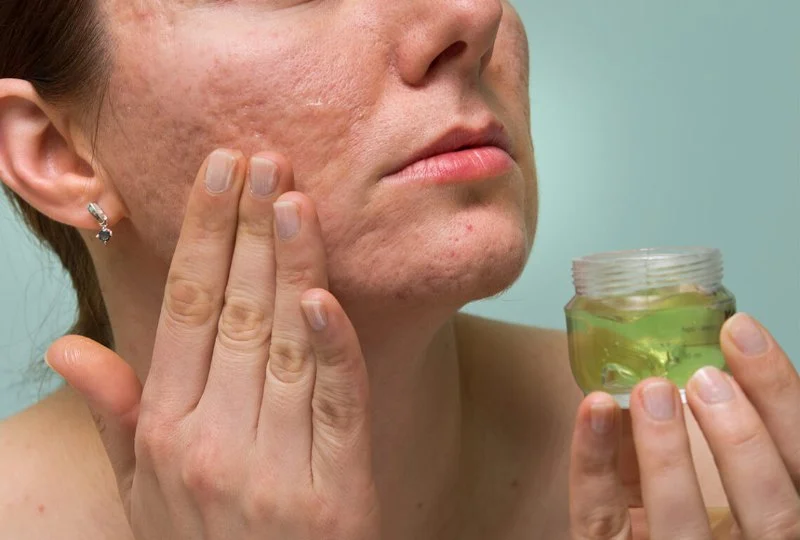
Moisturizing the scar area regularly helps prevent the formation of hard, dry tissue. Using a good-quality lotion or gel, such as those containing vitamin E, aloe vera, or silicone, can make a significant difference in reducing the visibility of scars.
2.2 Use Sunscreen to Protect the Scar
Exposing scars to sunlight can cause them to darken and become more noticeable. Always apply a broad-spectrum sunscreen with an SPF of 30 or higher to the affected area, especially during the healing period.
2.3 Avoid Scratching or Picking at Scars
Scratching or picking at a scar can lead to further irritation and cause it to become more prominent. It is essential to allow the skin to heal naturally, without additional trauma from friction or scratching.
2.4 Massage the Scar Tissue
Gently massaging the scar tissue once the wound has fully healed can help break down the collagen fibers that form the scar. This technique helps to soften the scar and promote a more even appearance.
3. Natural Remedies for Scar Treatment
While professional treatments are available, there are several natural remedies you can try at home to minimize scars. These remedies include:
3.1 Aloe Vera
Aloe vera is a well-known natural ingredient for soothing irritated skin. It also has anti-inflammatory properties that can help reduce redness and swelling in scars. Apply fresh aloe vera gel to the scar twice a day for maximum benefit.
3.2 Coconut Oil
Coconut oil is rich in fatty acids and antioxidants that promote skin regeneration. It also helps moisturize the skin and reduce the appearance of scars. Gently massage coconut oil into the scar daily to keep the skin hydrated and nourished.
3.3 Lemon Juice
Lemon juice contains natural acids that can help exfoliate the skin and lighten scars over time. However, it's important to use lemon juice cautiously, as it can make the skin more sensitive to sunlight.
4. Professional Treatments for Scar Reduction
If home remedies don't provide the desired results, there are several professional treatments that dermatologists or cosmetic specialists can recommend to reduce the appearance of scars:
4.1 Laser Treatment
Laser therapy can help improve the texture and color of scars by stimulating the production of collagen. There are different types of laser treatments, including fractional CO2 lasers and pulsed dye lasers, depending on the type and severity of the scar.
4.2 Microdermabrasion
Microdermabrasion involves gently exfoliating the skin using fine crystals or a diamond-tipped wand. This process can help remove the outer layer of skin, reducing the appearance of scars and promoting smoother, healthier skin.
4.3 Steroid Injections
For raised scars such as hypertrophic or keloid scars, steroid injections can help flatten the tissue and reduce inflammation. A dermatologist will administer these injections over a period of time for the best results.
5. Personal Experiences and Success Stories
Many individuals have successfully treated their scars using a combination of skin care tips, natural remedies, and professional treatments. Here are a couple of inspiring success stories:
5.1 Case Study: Post-Surgery Scar Treatment
After undergoing surgery for a knee injury, Sarah was left with a noticeable scar. By following a skin care regimen that included regular moisturizing, sunscreen, and coconut oil application, along with a few sessions of laser treatment, Sarah was able to significantly improve the appearance of her scar.
5.2 Case Study: Acne Scars Treatment
John had struggled with acne scars for years. He combined topical treatments with natural remedies like aloe vera and lemon juice, alongside microdermabrasion sessions. Over time, his scars became much less visible, and he regained confidence in his skin's appearance.
6. Conclusion: Long-Term Scar Care Tips
While scars may never completely disappear, with proper care, you can significantly reduce their appearance and enjoy smoother, healthier skin. Consistency in your scar care routine, protection from sun damage, and professional treatments when necessary will all contribute to long-term scar reduction. For personalized advice and the best products for scar care, visit SkinCare Experts today.


 GLO30 National Landing4.0 (218 reviews)
 Linda Lee Skin Care & Natural Nails5.0 (2 reviews)
 Carson Skin Rejuvenation5.0 (13 reviews)
 Charm's Aesthetics, LLC5.0 (5 reviews)
 Skin By Candace4.0 (13 reviews)
 Epiphany Dermatology4.0 (1746 reviews)
 How To Boost Your Skin's Sensitive Skin In People Living In Humid Climates
 How To Repair Scars In People Over 40
 How To Brighten Sun Damage Effectively
 Top Tips for Fine Lines in Women: How to Manage and Reduce Them
 How To Reduce Dull Skin With A Simple Routine | Skincare Tips for Radiance
 How To Use Inflamed Skin Treatments for People with Combination Skin