
- #understanding-acne-and-skin-behavior - Understanding Acne and Skin Behavior Deep Dive
- #tea-tree-oil-properties-and-science - Tea Tree Oil Properties and Scientific Mechanism
- #safe-application-methods-for-acne-treatment - Safe Application Methods for Acne Treatment
- #common-mistakes-and-skin-sensitivity-risks - Common Mistakes and Skin Sensitivity Risks
- #real-stories-and-acne-transformation-experiences - Real Stories and Acne Transformation Experiences
- #daily-skincare-integration-strategy - Daily Skincare Integration Strategy for Clear Skin
- #professional-guidance-and-long-term-skin-health - Professional Guidance and Long-Term Skin Health
Understanding Acne and Skin Behavior Deep Dive
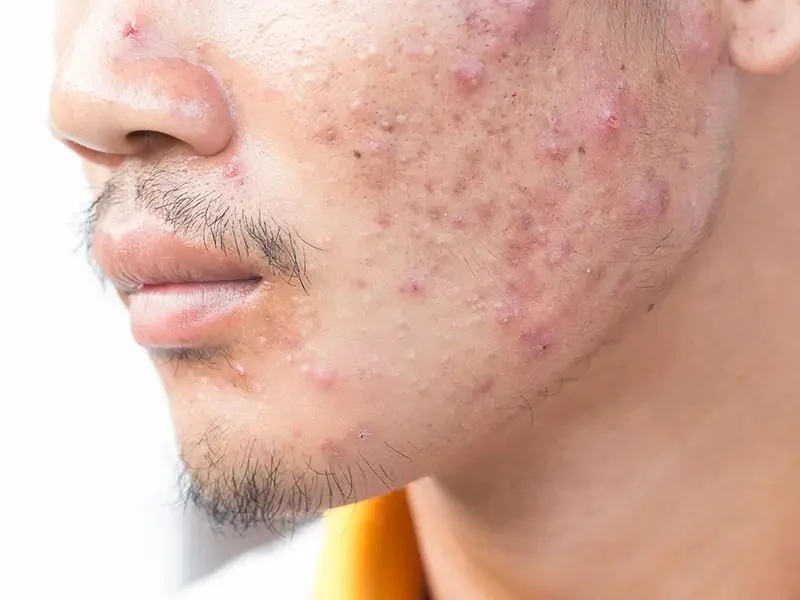
Acne is not simply a surface-level skin issue; it is a layered biological response that involves oil production, clogged pores, bacteria activity, and inflammation. For many people in the United States, acne begins during adolescence but often continues well into adulthood due to hormonal shifts, stress, diet, and environmental exposure. Understanding how acne forms is essential before introducing any treatment, including natural options like tea tree oil.
At its core, acne develops when sebum—an oily substance produced by sebaceous glands—mixes with dead skin cells and blocks pores. This creates an environment where bacteria can thrive, particularly Cutibacterium acnes, leading to inflammation, redness, and breakouts. The severity can vary from occasional whiteheads to deep cystic acne that leaves long-term scarring. This is why many people seek alternative solutions beyond conventional treatments, hoping for gentler yet effective options.
In recent years, interest in botanical skincare has grown significantly, especially among users looking for more natural acne management strategies. Tea tree oil has emerged as one of the most widely discussed ingredients in this category due to its antimicrobial and anti-inflammatory properties.
Tea Tree Oil Properties and Scientific Mechanism
Tea tree oil is derived from the leaves of Melaleuca alternifolia, a plant native to Australia. Its popularity in skincare is largely attributed to its active compound terpinen-4-ol, which has been studied for its ability to reduce bacterial activity and calm inflammation on the skin’s surface. Unlike harsh chemical treatments, tea tree oil offers a plant-based approach that many users find more tolerable when used correctly.
Scientific observations suggest that tea tree oil can help reduce the number of acne-causing bacteria while also soothing irritated skin. This dual action makes it particularly appealing for individuals dealing with inflamed pimples or mild to moderate breakouts. However, it is important to understand that tea tree oil is not an overnight cure. It works gradually and requires consistent, correct application.
A notable reason tea tree oil gained attention in dermatology discussions is its comparison with benzoyl peroxide in mild acne cases. While benzoyl peroxide often produces faster results, tea tree oil is generally considered less irritating for sensitive skin types when properly diluted. This balance between effectiveness and gentleness is why many skincare enthusiasts incorporate it into their routines.
Safe Application Methods for Acne Treatment
Using tea tree oil safely is critical, as its concentrated form can cause irritation if applied directly to the skin without dilution. Most skincare professionals recommend blending it with a carrier oil such as jojoba oil or applying it through pre-formulated skincare products that already contain controlled concentrations.
For individuals new to tea tree oil, patch testing is often the first step. This involves applying a small diluted amount to a discreet area of skin and observing for any reaction over 24 hours. If no redness or discomfort occurs, it is generally considered safe to proceed with targeted application on acne-prone areas.
When used as a spot treatment, tea tree oil should be applied only to affected areas rather than the entire face. This helps minimize the risk of over-drying or disrupting the skin barrier. Many users prefer applying it at night, allowing the ingredient to work while the skin naturally undergoes repair processes during sleep.
In modern skincare routines, tea tree oil is also found in cleansers, toners, and gels formulated at safe concentrations. These products offer a more controlled way to benefit from its properties without the risks associated with raw essential oil use.
Common Mistakes and Skin Sensitivity Risks
One of the most frequent mistakes people make is applying undiluted tea tree oil directly onto acne lesions. While this might seem like a faster solution, it often leads to redness, peeling, and increased sensitivity. In some cases, it can even worsen breakouts by damaging the skin barrier.
Another common issue is overuse. Because tea tree oil has strong antibacterial properties, some users assume that more frequent application will produce quicker results. In reality, overuse can lead to dryness and trigger the skin to produce even more oil, potentially worsening acne over time.
It is also important to recognize that not all acne responds equally to tea tree oil. Hormonal cystic acne, for example, may require a more comprehensive treatment approach involving dermatological care. Relying solely on essential oils in such cases may delay effective treatment.
Skin sensitivity varies widely among individuals. People with eczema, rosacea, or highly reactive skin should be especially cautious and may need professional guidance before incorporating essential oils into their routine.
Real Stories and Acne Transformation Experiences
Many skincare journeys involving tea tree oil begin with frustration. One common example is young adults in their early twenties dealing with persistent jawline acne linked to hormonal fluctuations. A frequent story shared in skincare communities involves individuals trying multiple harsh treatments before switching to gentler natural alternatives.
For instance, a college student in California described struggling with recurring breakouts during exam seasons due to stress. After switching to a diluted tea tree oil spot treatment combined with a simplified skincare routine, gradual improvements were noticed over several weeks. While the acne did not disappear instantly, inflammation reduced noticeably, and fewer new breakouts formed.
Another example involves working professionals who experience “maskne” or stress-related acne. Many reported that incorporating tea tree oil-based cleansers helped reduce clogged pores without overly drying their skin. These experiences highlight that while results vary, consistent and careful use often leads to visible improvements over time.
Such stories emphasize an important truth: skincare is highly individual. What works for one person may not work for another, which is why personalized guidance is often essential when dealing with persistent acne conditions.
Daily Skincare Integration Strategy for Clear Skin
Incorporating tea tree oil into a daily skincare routine requires balance. A typical approach involves gentle cleansing in the morning, followed by lightweight hydration and sun protection. At night, after cleansing, a diluted tea tree oil treatment can be applied selectively to active breakouts.
Consistency is more important than intensity. Instead of using strong concentrations sporadically, a stable routine with mild but regular application tends to produce better long-term results. Pairing tea tree oil with non-comedogenic moisturizers helps maintain skin barrier health, preventing excessive dryness.
It is also beneficial to avoid combining too many active ingredients at once. For example, using strong exfoliating acids alongside tea tree oil may increase irritation. A simplified routine often allows the skin to respond more positively and reduces the risk of inflammation.
Modern skincare users often look for curated routines tailored to their skin type. Platforms like SkinCare Experts provide recommendations that align ingredients like tea tree oil with personalized product selections and routines designed for different acne concerns.
Professional Guidance and Long-Term Skin Health
While natural remedies can play a helpful role, persistent or severe acne often benefits from professional evaluation. Dermatologists can identify underlying causes such as hormonal imbalance, bacterial resistance, or chronic inflammation that may not respond fully to topical natural treatments alone.
Long-term skin health is not just about treating breakouts but also preventing scarring, maintaining hydration, and protecting the skin barrier. In some cases, combining professional treatments with gentle natural ingredients like tea tree oil provides a more balanced approach.
The goal is not to rely on a single solution but to build a sustainable skincare strategy that adapts over time. As skin changes with age, environment, and lifestyle, treatment approaches may also need to evolve.
Many skincare professionals emphasize patience. Acne improvement is typically gradual, and expecting immediate transformation often leads to frustration. With consistent care and appropriate guidance, clearer skin becomes a realistic long-term outcome rather than a quick fix.
 Juvenescence skin care5.0 (8 reviews)
 SkinSentives5.0 (3 reviews)
 Storey Skin Studio5.0 (4 reviews)
 SKINriched Aesthetics + Wellness5.0 (50 reviews)
 The Alchemist Skin Bar5.0 (31 reviews)
 Esthetiques Skin Care Clinique & Day Spa4.0 (53 reviews)
 Best Products for Hyperpigmentation Using Natural Remedies
 The Benefits of Using a Facial Roller for Better Circulation and Skin Health
 How to Treat Skin Bumps and Keratosis Pilaris with Effective Skin Care
 How to Choose the Right Dry Skin Care Products for People Living in Humid Climates
 How to Avoid Sun Damage and Keep Your Skin Healthy
 How To Deal With Your Large Pores With These 15 Tips – Effective Solutions