
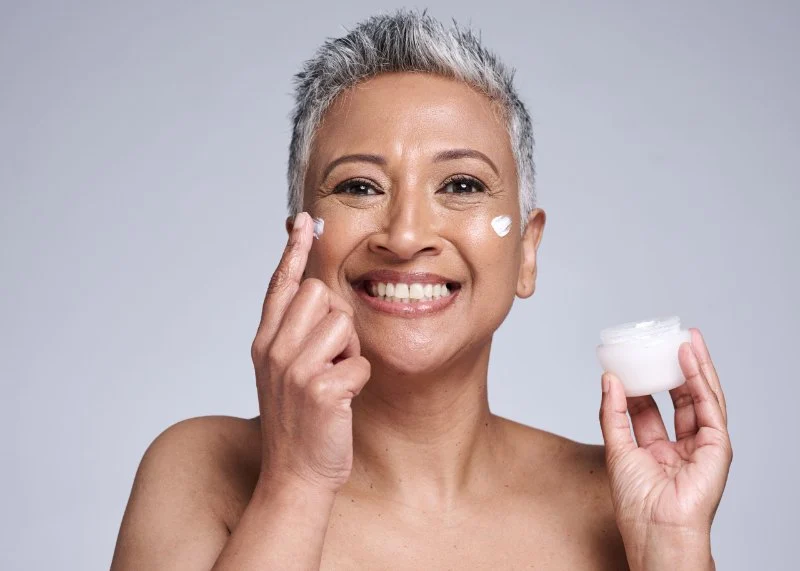
- - anti-aging skincare what works and what doesn’t - ingredient effectiveness breakdown - evidence-based skincare
- - proven anti-aging routines vs skincare myths
- - real transformation stories and dermatology insights
- - retinol, vitamin C, sunscreen effectiveness analysis
- - common mistakes that accelerate aging skin
- - long-term skin health strategies and product guidance
Why Anti-Aging Skincare Is Often Misunderstood
The beauty industry is filled with promises of youthful skin, instant wrinkle reduction, and miracle creams. But when people search for Anti-Aging Skincare: What Works and What Doesn’t?, they are usually overwhelmed by conflicting advice and marketing claims.
The truth is that anti-aging skincare is not about one magical product. It is about understanding how the skin ages, what ingredients have scientific backing, and what habits actually slow down visible aging over time.
Skin aging is influenced by genetics, sun exposure, lifestyle, and skincare consistency. Without understanding these factors, it is easy to fall into ineffective routines that waste time and money.
What Actually Works in Anti-Aging Skincare
Dermatologists agree that only a few key ingredients and habits have strong scientific evidence behind them. These are the foundation of any effective anti-aging routine.
1. Sunscreen: The Most Powerful Anti-Aging Tool
Daily sunscreen use is the single most effective way to prevent premature aging. UV radiation is responsible for up to 80% of visible skin aging signs such as wrinkles, dark spots, and loss of elasticity.
Even the most expensive skincare products cannot reverse sun damage if protection is not consistent.
2. Retinoids for Cellular Renewal
Retinoids, including retinol, are among the most researched anti-aging ingredients. They stimulate collagen production, improve skin texture, and accelerate cell turnover.
Over time, this leads to smoother skin and reduced fine lines, though results require consistent use over several months.
3. Vitamin C for Brightening and Protection
Vitamin C is a powerful antioxidant that protects skin from free radicals while also helping to brighten uneven skin tone and improve collagen synthesis.
4. Moisturizers That Strengthen the Skin Barrier
Healthy skin is resilient skin. Moisturizers containing ceramides, hyaluronic acid, and fatty acids help maintain hydration and prevent environmental damage.
What Does NOT Work in Anti-Aging Skincare
A major part of understanding skincare is identifying what does not deliver real, lasting results despite popular marketing claims.
1. “Instant Wrinkle Removal” Creams
Products that claim immediate wrinkle elimination often rely on temporary tightening agents that wash off or fade within hours.
2. Overpriced Luxury Products Without Active Ingredients
Price does not always reflect effectiveness. Many luxury creams focus on fragrance or packaging rather than clinically proven active ingredients.
3. Over-Exfoliation Treatments
Excessive use of acids or scrubs can damage the skin barrier, leading to irritation and accelerated aging rather than improvement.
4. Unregulated Viral Skincare Trends
Social media trends often promote harsh or untested methods that lack dermatological validation.
Real Case Story: A Skincare Routine That Backfired
A skincare enthusiast in New York shared her experience after following a viral routine involving daily strong exfoliants and multiple active serums.
Initially, her skin appeared smoother, but after a few weeks she developed redness, sensitivity, and visible dryness that made fine lines appear worse.
A dermatologist later explained that her skin barrier had been compromised, making her skin more vulnerable to aging signs instead of improving them.
After switching to a simplified routine focusing on sunscreen, gentle hydration, and retinol at controlled frequency, her skin gradually recovered and improved in texture.
How Skin Actually Ages Beneath the Surface
Understanding the biological process of aging helps explain why some skincare works while other methods fail.
Collagen Breakdown Over Time
Collagen provides structure and firmness to the skin. As we age, production naturally decreases, leading to sagging and wrinkles.
Loss of Hydration and Elasticity
Aging skin retains less moisture, which contributes to dryness and reduced plumpness.
Environmental Damage Accumulation
Daily exposure to pollution, UV rays, and stress compounds over time, accelerating visible aging.
Dermatologist-Backed Anti-Aging Routine That Actually Works
A structured routine built on proven ingredients is far more effective than random product layering.
Morning Protection Routine
Cleansing, antioxidant serum application, and sunscreen form the essential morning defense system against environmental aging factors.
Evening Repair Routine
Nighttime skincare focuses on repair and regeneration using retinoids and hydrating treatments.
Weekly Skin Maintenance
Gentle exfoliation and barrier-repair masks help maintain skin balance without overloading it.
Common Mistakes That Accelerate Skin Aging
Even well-intentioned skincare habits can sometimes lead to faster aging if done incorrectly.
Skipping Sunscreen Indoors
UV rays can penetrate windows, making daily sunscreen necessary even when staying indoors.
Using Too Many Active Ingredients at Once
Combining multiple strong actives can irritate the skin and weaken its protective barrier.
Ignoring Skin Barrier Health
Without a strong barrier, skin becomes more sensitive, dehydrated, and prone to premature aging.
Why Consistency Matters More Than Expensive Products
One of the most important truths in skincare is that consistency produces better results than expensive but inconsistent routines.
Even simple routines using sunscreen, moisturizer, and retinoids can significantly improve skin appearance over time when used correctly.
Dermatologists often emphasize that long-term habits matter more than short-term product experimentation.
Where to Find Reliable Anti-Aging Skincare Guidance
With so much conflicting information online, many users turn to structured skincare systems and expert-backed guidance to avoid confusion.
Platforms like SkinCare Experts provide curated routines, ingredient explanations, and product guidance designed to simplify the process of building an effective anti-aging skincare plan.
Understanding Anti-Aging Skincare: What Works and What Doesn’t? is not about chasing trends—it is about building a sustainable routine based on science, consistency, and skin health principles.

 Elevate Medical Aesthetics5.0 (50 reviews)
 Butterflies in Paris esthetics0.0 (0 reviews)
 Advanced Dermatology and Cosmetic Surgery - Rockville4.0 (794 reviews)
 Dermaculture Skin Care Fort Worth5.0 (5 reviews)
 Gisella Beauty NYC5.0 (15 reviews)
 IU Health Physicians Dermatology - Eskenazi Health1.0 (1 reviews)
 How to Treat Skin Peels and Flakes with Moisturizers
 How to Prevent and Treat Rosacea with the Right Skin Care Products
 How To Get Rid Of Fine Lines With A Simple Routine
 Best Practices for Scars Effectively: Tips and Treatments for Scar Reduction
 How To Brighten Your Puffy Eyes With These 10 Tips
 How to Repair Scars in People Over 40: Expert Skincare Insights