
- 1 - Understanding Rosacea and Its Symptoms
- 2 - How Retinol Works to Improve Rosacea
- 3 - How to Use Retinol for Rosacea
- 4 - Precautions When Using Retinol for Rosacea
- 5 - Case Study: Success with Retinol for Rosacea
- 6 - How SkinCare Experts Can Help with Rosacea Treatment
1 - Understanding Rosacea and Its Symptoms
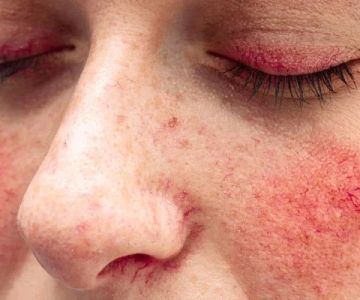
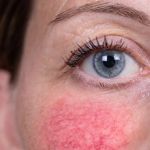
Rosacea is a common, chronic skin condition characterized by redness, visible blood vessels, and sometimes bumps or pimples on the face. It often affects the central part of the face, including the nose, cheeks, and forehead. While the exact cause of rosacea remains unclear, factors like genetics, environmental triggers, and the immune system are believed to play a role.
Symptoms of rosacea can range from mild redness to more severe flare-ups with visible blood vessels and pustules. It’s a condition that can be embarrassing and frustrating for those who suffer from it. Fortunately, various treatments, including retinol, can help manage and improve rosacea symptoms by reducing redness and inflammation.
2 - How Retinol Works to Improve Rosacea
Retinol, a derivative of Vitamin A, is known for its ability to speed up cell turnover and promote the shedding of dead skin cells. This process can help clear clogged pores, reduce inflammation, and smooth the skin’s texture. When used properly, retinol can help improve the appearance of rosacea by reducing the appearance of redness and making the skin appear more even and calm.
While retinol is typically used for acne treatment and anti-aging, it has gained attention for its positive effects on rosacea. Retinol helps address some of the underlying causes of rosacea by decreasing the visibility of blood vessels, reducing inflammation, and preventing flare-ups. By improving overall skin health, retinol can contribute to long-term management of rosacea.
3 - How to Use Retinol for Rosacea
While retinol can be highly effective in treating rosacea, it’s important to use it cautiously and follow a specific routine to avoid irritation. Here are some tips for using retinol safely to improve rosacea:
1. Start Slowly
If you’re new to using retinol, it’s important to start slowly. Begin by applying a small amount of retinol to the affected areas once or twice a week. Gradually increase the frequency as your skin builds tolerance. Using too much retinol too soon can cause redness, dryness, or peeling, which can exacerbate rosacea symptoms.
2. Use a Gentle Formula
For rosacea-prone skin, opt for a gentle, low-concentration retinol or retinaldehyde formula. These forms of retinol are less likely to cause irritation and are better tolerated by sensitive skin. Avoid stronger forms like tretinoin, which might be too harsh for those with rosacea.
3. Apply at Night
Retinol can make your skin more sensitive to the sun, so it’s best to apply it at night. Cleanse your face thoroughly, then apply a small amount of retinol to the affected areas, avoiding the eye area. Follow up with a moisturizer to prevent dryness and irritation. Be sure to use sunscreen during the day to protect your skin from UV damage.
4. Moisturize Regularly
Because retinol can be drying, it’s essential to follow up with a hydrating moisturizer. This will help lock in moisture, protect the skin’s barrier, and reduce the risk of irritation. Look for a fragrance-free, gentle moisturizer to complement your retinol treatment.
4 - Precautions When Using Retinol for Rosacea
While retinol can be highly beneficial for rosacea, it’s essential to be aware of the potential side effects, especially during the initial stages of use. Here are some precautions to keep in mind:
1. Avoid Using with Harsh Exfoliants
Retinol speeds up the cell turnover process, so it’s important not to use additional exfoliating products, such as scrubs or alpha hydroxy acids (AHAs), at the same time. This can lead to excessive dryness and irritation. Stick to a gentle skincare routine that avoids over-exfoliating.
2. Be Mindful of Triggering Factors
Rosacea flare-ups can be triggered by a variety of factors, such as spicy foods, hot drinks, or stress. While using retinol, be mindful of your triggers to prevent unnecessary flare-ups. Avoid situations that might exacerbate your condition, especially when your skin is more sensitive due to retinol use.
3. Discontinue if Irritation Occurs
If you experience persistent irritation, redness, or peeling that doesn’t subside, stop using retinol and consult with a dermatologist. It’s possible that your skin may need a gentler treatment, or you may need to adjust the concentration of the retinol you’re using.
5 - Case Study: Success with Retinol for Rosacea
Take the example of Emma, a 35-year-old woman who had been struggling with rosacea for years. She tried various treatments, but nothing seemed to work long-term. After consulting with her dermatologist, Emma decided to incorporate a low-concentration retinol cream into her nighttime skincare routine. She started with once-a-week applications and gradually increased the frequency. Within a few weeks, Emma noticed that her redness was reduced, and the texture of her skin became smoother. Over time, her rosacea symptoms improved significantly, and she felt more confident in her skin.
6 - How SkinCare Experts Can Help with Rosacea Treatment
If you’re looking for personalized advice on how to use retinol for rosacea, SkinCare Experts can help. Our team of skincare professionals can provide tailored recommendations for your specific skin type and condition. Whether you need advice on product selection, customized routines, or professional treatments, we’re here to guide you every step of the way. Visit SkinCare Experts today to find the best solutions for managing your rosacea with retinol and other effective treatments!


 Reverie Esthetics LLC5.0 (14 reviews)
 Skin Reimagined5.0 (8 reviews)
 vidaaskincare5.0 (5 reviews)
 Skinplicity5.0 (23 reviews)
 SkinFit by Anneliese4.0 (13 reviews)
 Equibal Inc2.0 (3 reviews)
 Effective Tips for Sensitive Skin with Redness in Teens
 How To Nourish Face Masks For Scars Skin: Best Ingredients and DIY Recipes
 Daily Skin Care Routine for Puffy Eyes | Tips for Healthy, Bright Eyes
 How to Heal Dark Circles Effectively
 How to Repair Sun Damage in Humid Climates and Keep Your Skin Healthy
 How To Manage Blackheads Effectively with Smart Skincare Habits