
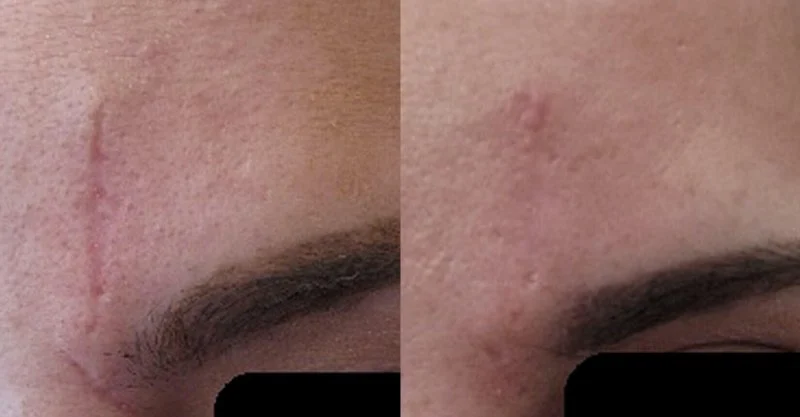
 Best Practices for Scars Effectively: Tips and Treatments for Scar Reductionbest practices for scars, scar treatment, reduce scars, effective scar care, scar healing tips, scar removal techniques, skincare for scarsDiscover the best practices for treating scars effectively. Learn top tips and techniques for scar reduction, healing, and skincare to help minimize scars and improve your skin's appearance.
- 1. Understanding Scars and Their Causes
- 2. Best Practices for Scar Healing
- 3. Effective Scarring Treatment Options
- 4. Top Scar Removal Products to Try
- 5. Preventing Scar Formation and Improving Skin Health
1. Understanding Scars and Their Causes
Scars are a natural part of the body’s healing process following an injury or skin condition. They form when the deeper layers of the skin are damaged, causing the body to produce collagen to repair the tissue. However, this repair process can lead to visible marks on the skin’s surface, which we recognize as scars.
There are several causes of scarring, including:
1.1 Injury and Trauma
Any physical injury that breaks the skin’s surface, such as cuts, burns, or surgical incisions, can lead to scarring. The severity of the scar depends on the depth of the injury and how well the skin heals.
1.2 Acne Scars
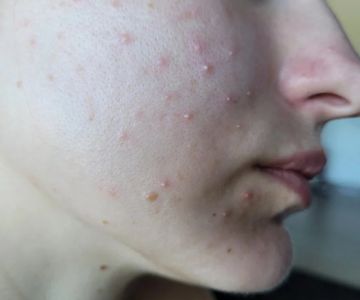
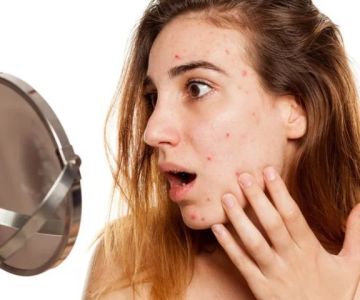
Acne can also leave scars behind, especially when the skin becomes inflamed or when pimples are picked at or squeezed. These scars can appear as indentations, dark spots, or raised tissue.
1.3 Surgical Scars
Surgeries often result in scars as a byproduct of the incision made by the surgeon. While most surgical scars fade over time, they can be prominent depending on the location and size of the incision.
1.4 Stretch Marks
Stretch marks are another form of scarring caused by rapid skin stretching due to pregnancy, weight gain, or growth spurts. These scars are typically red or purple initially but may fade into a lighter shade over time.
2. Best Practices for Scar Healing
Proper care during the healing process can minimize the visibility and severity of scars. Here are some best practices to ensure that your skin heals as smoothly as possible:
2.1 Keep the Area Clean and Protected
After an injury or surgery, keeping the wound clean is essential to avoid infection. Use mild soap and water to gently cleanse the area, and apply an antibiotic ointment if recommended by your doctor. Additionally, protect the wound from dirt and bacteria by covering it with a sterile bandage.
2.2 Moisturize the Scar
Moisturizing the scar with a soothing lotion or cream helps the healing process. Keeping the area hydrated can prevent the formation of scabs and minimize skin tightness. A well-hydrated scar may heal more evenly, resulting in less noticeable scarring.
2.3 Avoid Scratching or Picking at the Scar
It can be tempting to scratch or pick at healing scars, but doing so can lead to further damage, infection, and worsening of the scar’s appearance. Avoid touching the area and let it heal naturally to achieve the best results.
2.4 Protect the Scar from Sun Exposure
Exposing scars to the sun can make them more noticeable and may cause them to darken. It's essential to protect the healing skin with sunscreen or a bandage. Sunscreen with an SPF of at least 30 can help prevent discoloration and further damage from UV rays.
3. Effective Scarring Treatment Options
While some scars fade naturally over time, there are several treatment options available that can help speed up the healing process and reduce the appearance of scars. Consider the following treatments for effective scar care:
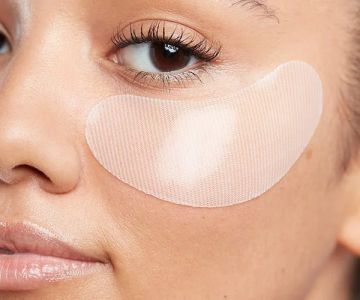
3.1 Silicone Gel Sheets and Creams
Silicone gel sheets and creams are a popular treatment option for scars, especially for surgical scars or burns. These products create a protective barrier over the scar and can help flatten and soften the tissue. Studies have shown that silicone can improve scar appearance by hydrating the tissue and reducing collagen buildup.
3.2 Laser Therapy
Laser therapy is a non-invasive treatment option that can improve the texture and appearance of scars. This treatment uses focused light to target the scar tissue, stimulating collagen production and promoting smoother skin. It’s particularly effective for acne scars, surgical scars, and other types of raised or discolored scars.
3.3 Steroid Injections
If you have raised or keloid scars, your doctor may recommend steroid injections to reduce inflammation and flatten the scar. These injections help break down excess collagen, which can lead to softer and less noticeable scars over time.
3.4 Microneedling
Microneedling involves using tiny needles to puncture the skin, which stimulates collagen production and improves the texture of the scar. This treatment is ideal for people with acne scars or other types of shallow scarring.
4. Top Scar Removal Products to Try
There are several effective scar removal products on the market that can help reduce the appearance of scars. Some of the most popular options include:
4.1 Bio-Oil
Bio-Oil is a popular product for improving the appearance of scars, stretch marks, and uneven skin tone. The oil contains a blend of plant oils and vitamins that help improve skin elasticity and promote healing.
4.2 Mederma Scar Gel
Mederma is another well-known product for reducing the appearance of scars. It contains a unique blend of ingredients that help to lighten, soften, and smooth scars over time, making it a great choice for new and old scars alike.
4.3 ScarAway Silicone Sheets
ScarAway silicone sheets provide continuous moisture to the scar, helping it heal while flattening the tissue. These sheets are discreet and easy to use, offering a non-invasive solution to reduce scarring.
5. Preventing Scar Formation and Improving Skin Health
While some scars are inevitable, there are several steps you can take to prevent excessive scarring and improve the health of your skin overall:
5.1 Proper Wound Care
Taking care of wounds right after an injury is crucial to reducing the risk of scarring. Keeping the wound clean, covered, and moisturized can help promote faster healing and prevent the formation of a prominent scar.
5.2 Healthy Diet and Hydration
A balanced diet rich in vitamins A, C, and E can help promote healthy skin and improve the healing process. Additionally, staying hydrated ensures that your skin remains supple and encourages the regeneration of healthy tissue.
5.3 Consider Vitamin E and Other Topical Treatments
Vitamin E is often recommended for scar healing, though its effectiveness varies depending on the type of scar. Other topical treatments, such as aloe vera and honey, may also promote skin regeneration and reduce scar formation when applied regularly.
For the best scar treatment products and expert advice, visit [SkinCare Experts]. We offer a wide range of skincare solutions that help you treat and care for your scars effectively. Start improving your skin’s health today!

 ProSkin5.0 (20 reviews)
 Especially Aesthetic0.0 (0 reviews)
 Cameron Dermatology4.0 (572 reviews)
 LillyFace Premium Skin Care5.0 (1 reviews)
 Wake Up & Make Up By Ann Located in own building4.0 (13 reviews)
 Tampa Bay Laser Lipo4.0 (55 reviews)
 Daily Skin Care Routine for Dark Circles in People Living in Dry Climates
 How to Avoid Oily Skin in People with Sensitive Skin – Dermatologist Tips & Daily Skincare Guide
 How To Soothe Cleansers to Improve Inflamed Skin Naturally and Effectively
 How to Deal with Uneven Skin Tone Using Natural Remedies
 Daily Skin Care Routine For Dull Skin In People With Sensitive Skin
 How To Soothe Redness Using Natural Remedies