

- Understanding Puffy Eyes in People with Sensitive Skin
- Causes of Puffy Eyes in Sensitive Skin
- Solutions for Puffy Eyes in Sensitive Skin
- Prevention Tips for Sensitive Skin
- When to Seek Professional Help for Puffy Eyes
Understanding Puffy Eyes in People with Sensitive Skin
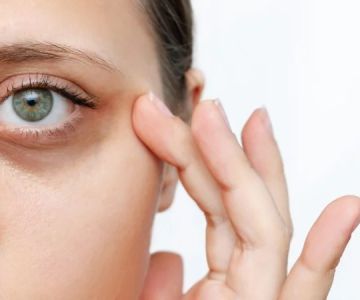
Puffy eyes are a common concern for many, but they can be especially troublesome for individuals with sensitive skin. The delicate skin around the eyes is prone to irritation, and certain factors like allergies, lack of sleep, and even the wrong skincare products can cause swelling and puffiness. In this article, we will delve into the science behind puffy eyes in people with sensitive skin, explore the causes, and provide effective solutions and prevention tips. Understanding these aspects can help you manage and alleviate puffy eyes with more confidence and ease.
Causes of Puffy Eyes in Sensitive Skin
When you have sensitive skin, your body’s reaction to environmental factors or skincare products can trigger puffiness around the eyes. Here are the key causes:
- Allergic Reactions: People with sensitive skin are more likely to have allergic reactions to certain ingredients in makeup, skincare products, or even food. These allergens can cause the skin around the eyes to swell.
- Water Retention: Sensitivity in the skin can also contribute to fluid retention, leading to puffiness. Hormonal changes, high-sodium diets, and poor circulation can exacerbate this issue.
- Sleep Deprivation: Not getting enough sleep can affect your skin’s ability to repair and refresh itself. This leads to swelling and puffiness, especially in people with delicate skin.
- Skin Aging: As we age, the skin around the eyes becomes thinner and less elastic, making it more prone to puffiness. Sensitive skin can be more affected by these changes.
- Excessive Rubbing: People with sensitive skin often rub their eyes due to irritation, allergies, or dry eyes. This rubbing can increase inflammation and lead to more noticeable puffiness.
Solutions for Puffy Eyes in Sensitive Skin
Fortunately, there are several ways to reduce puffiness and treat sensitive skin around the eyes. Here are some solutions to consider:
- Cold Compress: Applying a cold compress to the eyes can reduce inflammation and relieve puffiness. The cold helps to constrict blood vessels and reduce swelling. You can use chilled cucumber slices or even a clean, cool cloth.
- Gentle Skincare Products: Opt for eye creams and moisturizers formulated specifically for sensitive skin. Look for products that are free of harsh chemicals, fragrances, and alcohols. Ingredients like aloe vera, chamomile, and vitamin E can soothe and hydrate the skin.
- Elevate Your Head While Sleeping: Sleeping with your head elevated can help prevent fluid retention around the eyes. Use extra pillows to keep your head above heart level while you sleep.
- Hydration: Dehydration can worsen the appearance of puffy eyes. Drinking plenty of water and avoiding excessive salt intake can help reduce water retention and puffiness.
- Allergy Medications: If your puffiness is caused by allergies, consult with your doctor about using antihistamines or other allergy medications to alleviate swelling.
Prevention Tips for Sensitive Skin
Preventing puffy eyes in the future is just as important as treating them. Here are some helpful tips for maintaining healthy skin and avoiding puffiness:
- Choose Hypoallergenic Products: Always opt for hypoallergenic skincare products that are designed for sensitive skin. Avoid products with potential irritants such as artificial fragrances and dyes.
- Avoid Rubbing Your Eyes: Be mindful not to rub your eyes excessively, as this can irritate the skin and cause further puffiness. Use a gentle patting motion when applying skincare around the eyes.
- Improve Sleep Hygiene: Aim for 7-9 hours of sleep per night. Sleep is essential for skin repair and rejuvenation. Create a relaxing bedtime routine to ensure you get adequate rest.
- Use Sunscreen: Protect your sensitive skin from UV damage by using a gentle, broad-spectrum sunscreen around the eyes. Sun exposure can worsen skin irritation and lead to premature aging.
When to Seek Professional Help for Puffy Eyes
While most cases of puffy eyes can be treated with lifestyle changes and home remedies, there are times when professional help is necessary. If your puffy eyes are persistent, severe, or accompanied by other symptoms such as pain, vision changes, or redness, it's important to consult a dermatologist or healthcare provider. They can help determine the underlying cause and recommend appropriate treatments or medications.
In conclusion, understanding the science behind puffy eyes in people with sensitive skin is essential for effectively managing and treating the condition. By using the right products, maintaining good skincare habits, and making a few lifestyle adjustments, you can significantly reduce puffiness and improve the appearance of the skin around your eyes. For more tips and expert advice, visit SkinCare Experts for personalized recommendations and the best products for sensitive skin.


 GLO30 National Landing4.0 (218 reviews)
 Linda Lee Skin Care & Natural Nails5.0 (2 reviews)
 Carson Skin Rejuvenation5.0 (13 reviews)
 Charm's Aesthetics, LLC5.0 (5 reviews)
 Skin By Candace4.0 (13 reviews)
 Epiphany Dermatology4.0 (1746 reviews)
 How To Boost Your Skin's Sensitive Skin In People Living In Humid Climates
 How To Repair Scars In People Over 40
 How To Brighten Sun Damage Effectively
 Top Tips for Fine Lines in Women: How to Manage and Reduce Them
 How To Reduce Dull Skin With A Simple Routine | Skincare Tips for Radiance
 How To Use Inflamed Skin Treatments for People with Combination Skin