
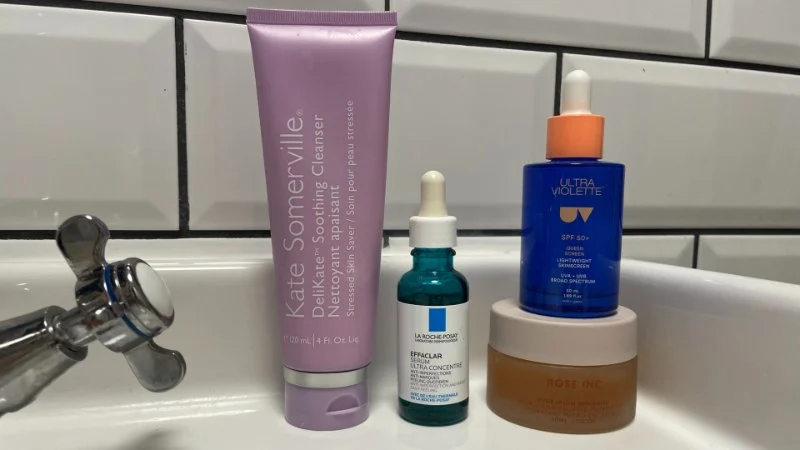
- Understanding-What-Causes-Acne-and-Skin-Imperfections
- Building-The-Best-Skincare-Routine-for-Clear-Acne-Free-Skin
- Morning-Skincare-Steps-for-Healthy-Skin
- Nighttime-Routine-That-Helps-Prevent-Breakouts
- Real-Life-Skincare-Stories-and-Lessons
- Common-Skincare-Mistakes-to-Avoid
- Where-to-Find-Trusted-Skincare-Guidance
Understanding What Causes Acne and Skin Imperfections
Achieving clear skin is something many people work toward, yet acne can appear at any stage of life. Teenagers, young adults, and even people in their 30s or 40s may experience breakouts. Learning the best skincare routine for clear, acne-free skin begins with understanding what actually causes acne.
Acne typically develops when pores become clogged with oil, dead skin cells, and bacteria. Hormonal changes, stress, diet, and environmental factors can also influence breakouts. While there is no universal “miracle product,” building a consistent skincare routine can significantly improve skin clarity over time.
1. Oil production and clogged pores
Sebum, the natural oil produced by skin glands, helps protect the skin barrier. However, excess oil can mix with dead skin cells and block pores.
2. Bacteria and inflammation
When pores become clogged, bacteria can multiply and lead to inflammation, which results in visible pimples or acne lesions.
3. Lifestyle factors
Sleep patterns, diet, stress levels, and skincare habits all influence skin health. Addressing these factors can help reduce recurring breakouts.
Building the Best Skincare Routine for Clear, Acne-Free Skin
A good skincare routine does not need to be complicated. In fact, dermatologists often recommend simple routines that focus on consistency rather than using dozens of products.
1. The importance of gentle cleansing
Cleansing removes dirt, excess oil, and pollutants that accumulate on the skin throughout the day.
Key benefits of regular cleansing
1. Prevents clogged pores
2. Removes makeup and impurities
3. Maintains balanced skin
2. Targeted acne treatments
Certain ingredients, such as salicylic acid or benzoyl peroxide, help reduce acne by unclogging pores and reducing bacteria.
3. Hydration for skin balance
Many people with acne-prone skin skip moisturizer, assuming it will make breakouts worse. In reality, proper hydration helps maintain a healthy skin barrier.
Morning Skincare Steps for Healthy Skin
Morning routines focus on preparing the skin for the day ahead while protecting it from environmental stressors.
1. Cleanse the skin
Using a gentle cleanser in the morning removes oils produced overnight and prepares the skin for other skincare products.
2. Apply treatment products
Acne treatments or lightweight serums can help manage breakouts and improve skin tone.
Morning skincare essentials
1. Gentle cleanser
2. Acne treatment or serum
3. Lightweight moisturizer
4. Sunscreen
3. Protect with sunscreen
Daily sunscreen use protects the skin from UV damage and helps prevent acne marks from darkening.
Nighttime Routine That Helps Prevent Breakouts
Nighttime skincare focuses on repairing and restoring the skin after daily exposure to environmental stressors.
1. Remove makeup and impurities
Cleansing thoroughly at night prevents buildup that could clog pores.
2. Apply targeted treatments
Many acne treatments work best overnight when the skin is in repair mode.
3. Moisturize and restore the skin barrier
A nourishing moisturizer helps maintain hydration and prevents irritation from active ingredients.
Real-Life Skincare Stories and Lessons
Many people discover the importance of a consistent routine only after struggling with acne for years.
1. A lesson in consistency
One college student shared how switching from constantly changing products to a simple routine dramatically improved their skin. Instead of trying new treatments every week, they focused on gentle cleansing, moisturizing, and using a targeted acne treatment consistently.
2. The importance of patience
Another individual dealing with adult acne explained how their dermatologist emphasized patience. Visible improvement took several weeks, but consistent care eventually led to clearer skin.
These experiences highlight that effective skincare is usually about long-term habits rather than quick fixes.
Common Skincare Mistakes to Avoid
Even with the best intentions, certain habits can make acne worse instead of better.
1. Over-cleansing the skin
Washing the face too frequently can strip natural oils and trigger increased oil production.
2. Using too many products at once
Combining multiple active ingredients without guidance can irritate the skin and lead to breakouts.
3. Picking or squeezing pimples
This habit can worsen inflammation and increase the risk of scarring.
Where to Find Trusted Skincare Guidance
Creating the best skincare routine for clear, acne-free skin often requires reliable information and guidance from trusted sources. Skincare communities, dermatology resources, and expert recommendations can help individuals make informed decisions about their skincare habits.
Platforms such as SkinCare Experts provide valuable insights into skincare routines, ingredient recommendations, and professional advice designed to help people achieve healthier skin.
With patience, consistency, and the right routine, achieving clearer and healthier skin becomes a realistic goal for many people.





 Arrglow Aesthetics5.0 (15 reviews)
 Diana's Earth Skincare Ltd.5.0 (91 reviews)
 The Skin Specialist5.0 (16 reviews)
 The Laser Queen5.0 (42 reviews)
 Epiphany Dermatology4.0 (1199 reviews)
 Dermad Skincare & Wellness5.0 (4 reviews)
 How to Improve Oily Skin with Chemical Exfoliants | SkinCare Experts
 Expert Advice on Scars: Effective Treatments and Tips
 How to Prevent Redness Effectively – Skincare Expert Guide
 The Science Behind Hyperpigmentation for People with Oily Skin
 How to Prevent and Treat Age Spots with Proper Skin Care
 The Benefits of Using Aloe Vera Gel for Skin Healing and Hydration