
- Understanding Tea Tree Oil
- How Tea Tree Oil Helps with Acne
- How to Use Tea Tree Oil for Acne
- Tips for Maximizing Results
- Precautions When Using Tea Tree Oil
Understanding Tea Tree Oil
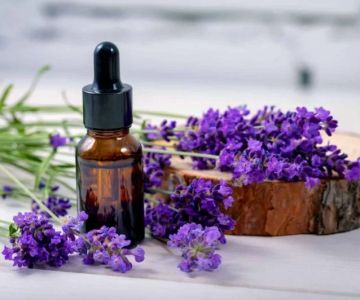
Tea tree oil, also known as melaleuca oil, is an essential oil derived from the leaves of the tea tree (Melaleuca alternifolia), which is native to Australia. This oil has been used for centuries for its natural antibacterial, antifungal, and antiseptic properties. In recent years, it has become a popular ingredient in skincare, particularly for acne treatment, due to its ability to fight the bacteria that cause pimples and blemishes.
How Tea Tree Oil Helps with Acne
Tea tree oil is known for its natural antibacterial and anti-inflammatory properties, which are key to its effectiveness in treating acne. Here's how it works:
1. Killing Acne-Causing Bacteria
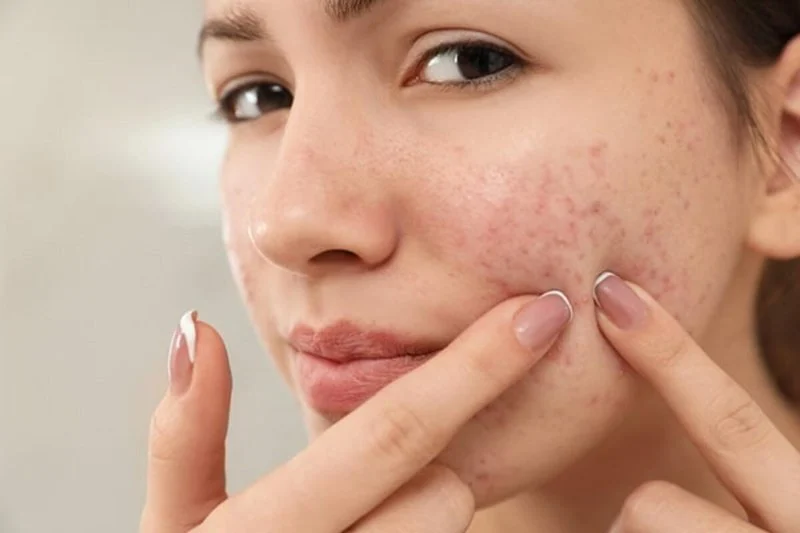
Acne is often caused by the overgrowth of bacteria within the pores, which can lead to inflammation and breakouts. Tea tree oil contains compounds like terpinen-4-ol that have been shown to effectively kill these acne-causing bacteria, reducing the severity and frequency of breakouts.
2. Reducing Inflammation
One of the hallmark symptoms of acne is inflammation, which leads to redness and swelling. Tea tree oil has strong anti-inflammatory properties that can help calm the skin, reducing redness and puffiness around pimples and blemishes.
3. Regulating Oil Production
Excess oil production is another common contributor to acne. Tea tree oil can help regulate sebum production, keeping the skin from becoming overly oily or greasy. This can prevent the clogging of pores, which can lead to acne development.
How to Use Tea Tree Oil for Acne
Tea tree oil is a versatile product, but it’s important to use it correctly to avoid skin irritation. Here are the best ways to incorporate tea tree oil into your skincare routine:
1. Direct Spot Treatment
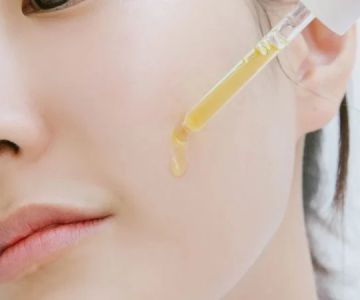
For targeted acne treatment, dilute tea tree oil with a carrier oil, such as jojoba or coconut oil. Use a cotton swab to apply the diluted mixture directly onto the affected areas. Leave it on overnight for maximum effectiveness. This method ensures that you treat the breakout without spreading the oil to surrounding areas.
2. Add to Your Skincare Products
If you have sensitive skin, mixing tea tree oil into your regular cleanser or moisturizer can be a gentler way to incorporate it into your routine. Start by adding just a drop or two to your favorite products, and gradually increase as your skin builds tolerance.
3. DIY Tea Tree Oil Face Mask
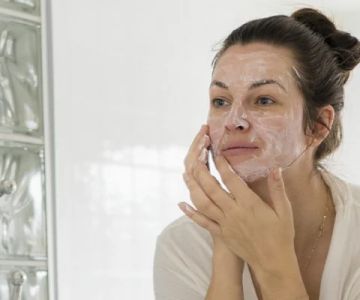
For a deeper treatment, you can create a DIY face mask using tea tree oil. Mix a few drops of tea tree oil with honey and yogurt for a soothing mask that helps fight acne and promote a clear complexion. Apply the mask to your face for about 10-15 minutes before rinsing off with lukewarm water.
Tips for Maximizing Results
To get the most out of tea tree oil for acne, here are a few additional tips to keep in mind:
1. Be Consistent
As with any skincare treatment, consistency is key. To see the best results, use tea tree oil regularly, whether as a spot treatment, in your skincare products, or as part of a face mask. It may take a few weeks to start seeing noticeable improvements, so stick with it and be patient.
2. Use Tea Tree Oil with Other Acne-Fighting Ingredients
Tea tree oil can be combined with other acne-fighting ingredients, such as salicylic acid, benzoyl peroxide, or retinoids. However, be cautious when combining products to avoid over-drying or irritating your skin. If you’re unsure about mixing products, consult with a dermatologist for personalized advice.
3. Keep Your Skin Hydrated
Tea tree oil can be drying for some people, especially if used in high concentrations. To prevent your skin from becoming too dry or irritated, make sure to keep your skin hydrated with a good moisturizer. Look for a non-comedogenic moisturizer that won’t clog your pores.
Precautions When Using Tea Tree Oil
While tea tree oil can be a powerful tool for treating acne, it’s important to use it with caution to avoid skin irritation. Here are some precautions to take:
1. Always Dilute Tea Tree Oil
Tea tree oil is very potent and should never be applied directly to the skin without dilution. Always mix it with a carrier oil or your skincare products to prevent irritation or allergic reactions.
2. Patch Test First
If you’ve never used tea tree oil before, perform a patch test before applying it to your face. Apply a small amount of diluted tea tree oil to a discreet area of skin, such as your inner arm, and wait 24 hours to check for any adverse reactions.
3. Avoid Sensitive Areas
Be cautious when applying tea tree oil near sensitive areas, such as the eyes or broken skin. Tea tree oil can cause irritation if it gets into your eyes, so avoid the eye area when applying it to your skin.
If you're looking for the best tea tree oil products and other acne-fighting skincare, visit SkinCare Experts for expert recommendations and the best products to add to your routine. Achieve clearer skin and prevent future breakouts with the power of tea tree oil.


 SKIN+BEAUTY House Organic Skin Spa4.0 (6 reviews)
 Diamante Skin Care, LLC5.0 (2 reviews)
 QUEENS Skincare5.0 (13 reviews)
 Tamara's Skin Care Clinic In Yorba Linda4.0 (15 reviews)
 Skincare By Stacey B5.0 (25 reviews)
 A Natural Image5.0 (30 reviews)
 How To Heal Your Redness With These 5 Tips
 Best Practices for Whiteheads With a Simple Routine
 Understanding Sun Damage For Women: Causes, Effects, and Prevention Tips
 Ultimate Guide to Age Spots: How to Treat and Prevent Them Effectively
 Tips for Sensitive Skin with Whiteheads: Effective Solutions for Clearer Skin
 How To Manage Blackheads Effectively with Smart Skincare Habits