
- what-are-age-spots-and-why-do-they-appear
- how-to-identify-age-spots-vs-other-skin-issues
- prevention-strategies-to-slow-the-appearance-of-age-spots
- topical-treatments-that-actually-work
- professional-procedures-for-more-stubborn-cases
- real-user-experience-dealing-with-age-spots
- why-skincare-experts-is-a-trusted-source-for-treatment
1. What Are Age Spots and Why Do They Appear?
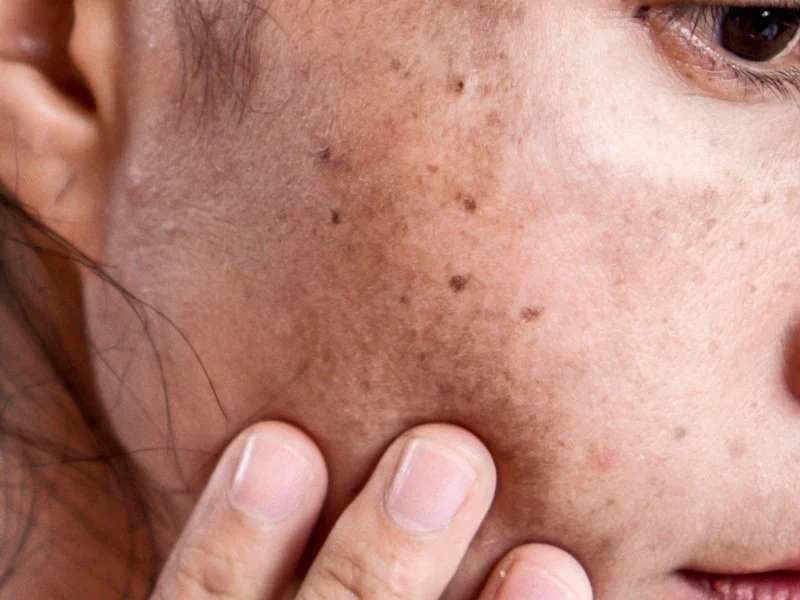
Age spots—also known as liver spots or sun spots—are flat, brown, gray, or black spots that appear on the skin due to prolonged sun exposure and the natural aging process. While they're medically harmless, they can cause cosmetic concern for many people, especially those over the age of 40.
These pigmented patches most commonly show up on areas frequently exposed to sunlight: the face, hands, shoulders, chest, and forearms. The culprit? Melanin. When UV rays hit your skin, they trigger melanin production as a natural defense mechanism. Over time, this can cause clusters of pigment to form—resulting in visible spots.
2. How to Identify Age Spots vs. Other Skin Issues
It’s important to distinguish age spots from other skin conditions. Unlike freckles, which fade in the winter or after sun exposure ends, age spots are persistent and tend to darken over time. They’re also different from moles, which are raised and may change in shape.
Age spots are usually:
Flat and oval-shaped
Tan, brown, or black in color
Grouped together or spread out
If a spot grows rapidly, bleeds, or has irregular borders, consult a dermatologist—it may not be a harmless pigment change. Always check unusual markings to rule out skin cancer.
3. Prevention Strategies to Slow the Appearance of Age Spots
While some level of pigmentation is inevitable with age, you can absolutely delay or reduce the appearance of age spots with daily habits. Here’s how:
Wear sunscreen daily: SPF 30 or higher, even on cloudy days.
Avoid peak UV hours: Try to limit sun exposure between 10am and 4pm.
Use protective gear: Hats, sunglasses, and long sleeves can make a huge difference.
Incorporate antioxidants: Both topically and in your diet. Vitamins C and E help fight free radical damage.
Simple prevention is often the most cost-effective form of treatment. Many SkinCare Experts clients report a noticeable delay in new spot formation after adopting these protective habits consistently.
4. Topical Treatments That Actually Work
If you already have age spots, don’t worry—there are clinically proven ingredients that help fade them over time. Here are a few dermatologist-recommended options to look for in your skincare routine:
Hydroquinone: A powerful lightening agent used to treat hyperpigmentation. Effective but best used under professional guidance.
Retinoids: Vitamin A derivatives that boost cell turnover and help fade spots gradually.
Vitamin C: Known for its brightening and antioxidant properties.
Niacinamide: A gentle yet effective ingredient that supports skin tone and elasticity.
Licorice root extract: Natural and soothing for sensitive skin types.
Consistency is key—results typically appear after 6–12 weeks of regular use. At SkinCare Experts, we recommend products based on skin type, sensitivity level, and pigmentation severity to help you make the right choice without trial and error.
5. Professional Procedures for More Stubborn Cases
When topical creams aren’t enough, dermatological procedures offer faster, more visible results. Here are some common treatments:
Laser Therapy: Targets pigment directly and breaks it up beneath the skin.
Chemical Peels: Remove the top layer of skin to reveal fresh, unpigmented skin below.
Cryotherapy: Freezes age spots off using liquid nitrogen. Best for isolated, superficial spots.
Microdermabrasion: Exfoliates the surface to smooth out tone and texture.
Always consult a licensed professional to determine the best treatment based on your skin tone and condition. At SkinCare Experts, we help you understand when it’s time to move from home care to clinical support.
6. Real User Experience: Dealing with Age Spots
Linda, a 45-year-old teacher from Vancouver, noticed brown spots forming on her cheeks and hands. At first, she tried a few over-the-counter creams, but nothing seemed to work. After a consultation through SkinCare Experts, she began a routine that included vitamin C serum and a prescription-strength retinoid cream. After 10 weeks, she says:
“Not only did my age spots lighten, but my whole face looks more radiant. I didn’t realize how dull my skin had become until I started treating it properly.”
Real results take time and commitment, but with guidance, you can absolutely turn things around—just like Linda did.
7. Why SkinCare Experts Is a Trusted Source for Treatment
When it comes to skincare, especially something as nuanced as pigmentation issues, it helps to have trusted advice and access to dermatologist-recommended products. SkinCare Experts provides:
Personalized product recommendations based on skin concerns and goals
Access to high-performance formulas tested for safety and efficacy
Educational resources that empower users to make informed decisions
Expert consultations for those needing more support than a shelf can provide
If you’re unsure where to begin, start with SkinCare Experts. We’re here to help you achieve clearer, healthier, more even-toned skin—starting today.


 ProSkin5.0 (20 reviews)
 Especially Aesthetic0.0 (0 reviews)
 Cameron Dermatology4.0 (572 reviews)
 LillyFace Premium Skin Care5.0 (1 reviews)
 Wake Up & Make Up By Ann Located in own building4.0 (13 reviews)
 Tampa Bay Laser Lipo4.0 (55 reviews)
 Daily Skin Care Routine for Dark Circles in People Living in Dry Climates
 How to Avoid Oily Skin in People with Sensitive Skin – Dermatologist Tips & Daily Skincare Guide
 How To Soothe Cleansers to Improve Inflamed Skin Naturally and Effectively
 How to Deal with Uneven Skin Tone Using Natural Remedies
 Daily Skin Care Routine For Dull Skin In People With Sensitive Skin
 How To Soothe Redness Using Natural Remedies