
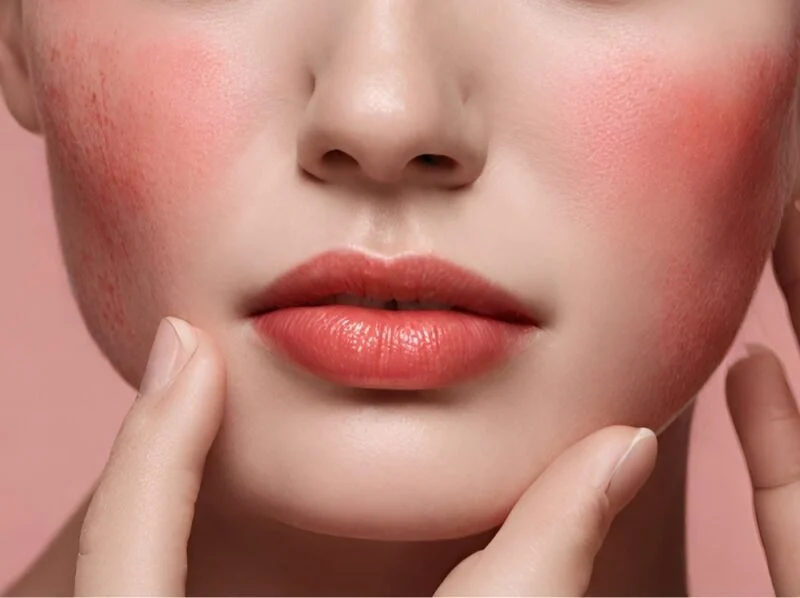
- Understanding Skin Redness
- Tip 1: Moisturizing Your Skin
- Tip 2: Cooling Treatments
- Tip 3: Gentle Cleansing
- Tip 4: Avoid Irritants
- Tip 5: Sunscreen Protection
Understanding Skin Redness
Skin redness can result from various factors, ranging from environmental irritants to internal health conditions. Common causes include sunburn, allergic reactions, rosacea, and inflammation from infections or skin conditions like eczema. Redness occurs when blood vessels dilate, causing more blood to flow to the area, leading to inflammation.
For many, skin redness can be a minor irritation, but for others, it can be a sign of a more severe underlying condition. Regardless of the cause, finding effective ways to calm the skin and reduce redness is essential for comfort and overall skin health. Here are five practical tips that can help you heal and manage redness.
Tip 1: Moisturizing Your Skin
One of the most effective ways to heal skin redness is by moisturizing regularly. When the skin becomes dry, it can worsen irritation, leading to more noticeable redness. A good moisturizer acts as a barrier, locking in hydration and reducing inflammation. Look for products with soothing ingredients such as aloe vera, glycerin, or ceramides, which are known to calm irritated skin.
For those with sensitive skin, choose a fragrance-free and hypoallergenic moisturizer to avoid causing further irritation. Applying a moisturizer daily, especially after showering, can help maintain a healthy skin barrier and prevent excess redness.
Tip 2: Cooling Treatments
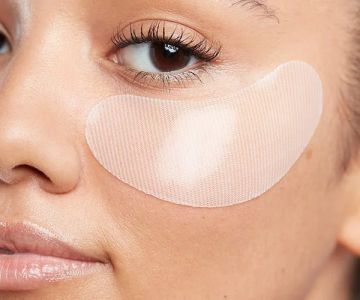
Cooling your skin can provide instant relief for redness caused by sunburn or irritation. Cold compresses or chilled gel masks can help constrict blood vessels and reduce inflammation. Simply apply a cool, damp cloth to the affected area for about 10-15 minutes to soothe the skin.
If you don't have a cold compress, you can also use chilled cucumber slices or aloe vera gel for their cooling and anti-inflammatory properties. These treatments not only cool the skin but also promote healing and reduce swelling.
Tip 3: Gentle Cleansing
Harsh cleansers can strip the skin of its natural oils, aggravating redness and dryness. It is crucial to cleanse your skin gently to avoid further irritation. Use a mild, soap-free cleanser designed for sensitive skin. Look for products that are alcohol-free and contain soothing agents like chamomile or oatmeal.
When cleansing, avoid hot water, which can exacerbate redness, and instead opt for lukewarm water. Pat your skin dry with a soft towel rather than rubbing it, which can be abrasive and trigger more irritation.
Tip 4: Avoid Irritants
Avoiding skin irritants is essential for healing and preventing further redness. Some common irritants include harsh skincare products, certain fabrics, and environmental pollutants. Be mindful of products that contain alcohol, artificial fragrances, or harsh exfoliating agents, as these can increase sensitivity and redness.
Wearing soft, breathable fabrics like cotton can prevent friction against the skin, which may aggravate redness. It's also important to protect your skin from harsh weather conditions, such as wind or extreme cold, which can dry out and irritate the skin.
Tip 5: Sunscreen Protection
Sun exposure is a significant factor that can contribute to skin redness, especially for those with sensitive skin. To prevent further irritation, it’s essential to apply a broad-spectrum sunscreen with SPF 30 or higher. Choose a sunscreen that is non-comedogenic and designed for sensitive skin to ensure it won’t clog pores or irritate the skin.
Apply sunscreen every day, even when it's cloudy, as UV rays can still damage the skin. Reapply sunscreen every two hours when outdoors, especially if you're swimming or sweating. Additionally, wearing a wide-brimmed hat and protective clothing can provide extra sun protection for your face and body.
Conclusion
Skin redness can be caused by a variety of factors, but with the right care, it can be managed effectively. By moisturizing, cooling the skin, gently cleansing, avoiding irritants, and protecting your skin with sunscreen, you can help reduce redness and keep your skin healthy.
If you're dealing with persistent redness or want to enhance your skincare routine, visit SkinCare Experts for more tips, products, and personalized recommendations to help soothe your skin.





 GLO30 National Landing4.0 (218 reviews)
 Linda Lee Skin Care & Natural Nails5.0 (2 reviews)
 Carson Skin Rejuvenation5.0 (13 reviews)
 Charm's Aesthetics, LLC5.0 (5 reviews)
 Skin By Candace4.0 (13 reviews)
 Epiphany Dermatology4.0 (1746 reviews)
 How To Boost Your Skin's Sensitive Skin In People Living In Humid Climates
 How To Repair Scars In People Over 40
 How To Brighten Sun Damage Effectively
 Top Tips for Fine Lines in Women: How to Manage and Reduce Them
 How To Reduce Dull Skin With A Simple Routine | Skincare Tips for Radiance
 How To Use Inflamed Skin Treatments for People with Combination Skin