
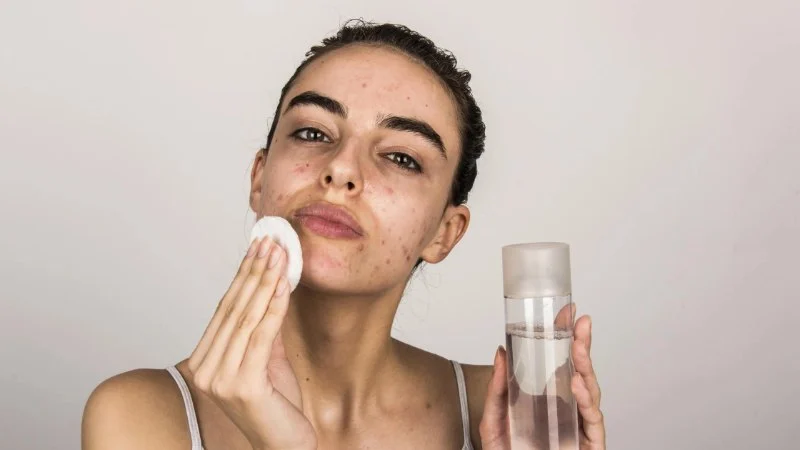
- 1-Understanding-Acne-Prone-Skin
- 2-Essential-Steps-for-a-Routine
- 3-Choosing-the-Right-Products
- 4-Common-Mistakes-to-Avoid
- 5-Real-World-Examples-and-Stories
- 6-Tips-for-Long-Term-Success
1. Understanding Acne-Prone Skin
Acne-prone skin is characterized by an overproduction of sebum, clogged pores, and inflammation. Hormonal changes, stress, diet, and environmental factors can all contribute to breakouts. Understanding your skin type is essential before building an effective skincare routine. Some people may experience occasional blemishes, while others struggle with persistent acne requiring targeted treatment.
1.1 Why Proper Care Matters
Neglecting acne-prone skin or using harsh products can worsen breakouts. A carefully designed routine helps control oil production, reduce inflammation, and prevent scarring. Consistency is key—results often appear after weeks of using the right combination of products and treatments.
1.2 Identifying Your Triggers
Tracking factors like diet, stress, or new skincare products can help identify triggers. Many users notice flare-ups after consuming high-sugar foods or using comedogenic products. Maintaining a journal of skin reactions can be a useful tool in building a personalized routine.
2. Essential Steps for a Routine
An effective acne-prone skincare routine includes several key steps, performed morning and night, with adjustments based on individual skin needs.
2.1 Cleansing
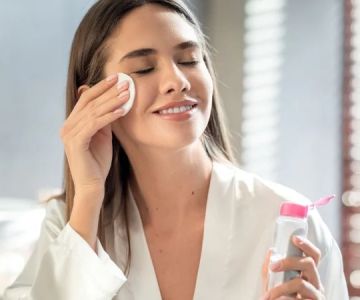
Use a gentle, sulfate-free cleanser to remove dirt, excess oil, and makeup without stripping the skin. Over-cleansing can irritate the skin and trigger more oil production. For example, a morning cleanse removes overnight oil buildup, while an evening cleanse removes environmental pollutants and makeup.
2.2 Toning
Toners help balance skin pH and prepare your skin for treatment products. Look for toners with ingredients like witch hazel or niacinamide to reduce inflammation and control oil production.
2.3 Treatment and Serums
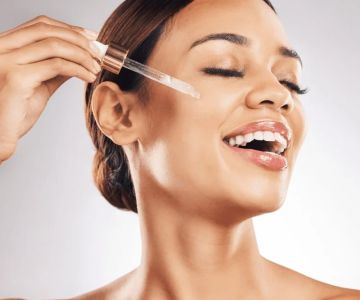
Active ingredients such as salicylic acid, benzoyl peroxide, or retinoids target acne directly. Apply these after cleansing and toning, focusing on areas prone to breakouts. For sensitive skin, start with lower concentrations to avoid irritation.
2.4 Moisturizing
Even oily or acne-prone skin needs hydration. Choose lightweight, non-comedogenic moisturizers to maintain skin barrier health. Gel-based or water-based formulations are often ideal.
2.5 Sun Protection
Daily sunscreen is critical. Acne treatments can make skin more sensitive to the sun. Non-comedogenic, broad-spectrum SPF 30 or higher is recommended for all-day protection.
3. Choosing the Right Products
3.1 Active Ingredients
Select products that target acne without causing irritation. Salicylic acid unclogs pores, benzoyl peroxide kills acne-causing bacteria, and retinoids accelerate cell turnover. Avoid overly harsh scrubs or alcohol-based products, which can worsen acne.
3.2 Non-Comedogenic Options
Always check product labels for “non-comedogenic” or “oil-free” to prevent clogged pores. This applies to moisturizers, sunscreens, and even makeup.
3.3 Personalized Recommendations
Platforms like SkinCare Experts can help you find the best products suited to your unique skin type, providing professional guidance and reviews to avoid trial-and-error mistakes.
4. Common Mistakes to Avoid
4.1 Over-Washing
Excessive cleansing strips natural oils, triggering more breakouts. Stick to twice daily cleansing and spot treatment for active acne.
4.2 Skipping Moisturizer or Sunscreen
Many acne-prone individuals skip these steps, thinking it will reduce oiliness. Hydration and sun protection are essential to prevent irritation and pigmentation.
4.3 Using Too Many Treatments
Layering multiple active ingredients can irritate skin and worsen acne. Introduce one product at a time and monitor reactions.
5. Real-World Examples and Stories
Consider Emma, a college student who struggled with hormonal acne. She followed a routine with a gentle cleanser, niacinamide toner, benzoyl peroxide spot treatment, lightweight moisturizer, and SPF 30 sunscreen. Within six weeks, her breakouts reduced significantly, and her skin texture improved. By tracking triggers and consulting experts on SkinCare Experts, she avoided ineffective products and minimized irritation.
Another example is Jake, who tried harsh exfoliants to control acne, resulting in increased redness and breakouts. Switching to a gentle routine and incorporating a targeted retinoid helped him achieve clear, healthier skin over three months.
6. Tips for Long-Term Success
6.1 Consistency is Key
Follow your routine daily and avoid skipping steps. Acne-prone skin responds best to consistent care rather than quick fixes.
6.2 Monitor and Adjust
Track your skin’s progress and adjust products seasonally or with hormonal changes. Your routine should evolve as your skin’s needs change.
6.3 Seek Professional Advice
Consult dermatologists or platforms like SkinCare Experts for tailored advice. Professional guidance ensures you choose the right products and prevent long-term damage or scarring.
By understanding acne-prone skin, selecting the right products, and following a consistent, expert-informed routine, you can achieve healthier, clearer skin while minimizing irritation and breakouts.

 The Perfect Glo Skin and Beauty Bar5.0 (7 reviews)
 Glazer Dermatology4.0 (2284 reviews)
 Laser & Mohs Dermatology of New York4.0 (355 reviews)
 Skin Laundry - Upper East Side4.0 (140 reviews)
 Profile Skin Studio5.0 (31 reviews)
 Mage Skin Therapy5.0 (1 reviews)
 How to Nourish Hyaluronic Acid to Improve Large Pores
 How To Avoid Retinol to Improve Age Spots Safely and Effectively
 How to Nourish Sun Damage and Manage It Effectively
 How to Balance Dark Circles Using Natural Remedies
 Best Products for Hyperpigmentation Using Natural Remedies
 How To Nourish Rosacea: What You Need To Know