
How To Nourish Rosacea: What You Need To Know
- 1- Understanding Rosacea
- 2- What Causes Rosacea Flare-Ups?
- 3- How to Nourish Skin with Rosacea
- 4- Diet Tips for Rosacea Sufferers
- 5- Skincare Routine for Rosacea
- 6- Real-Life Case Study: Nourishing Rosacea-Prone Skin
1. Understanding Rosacea
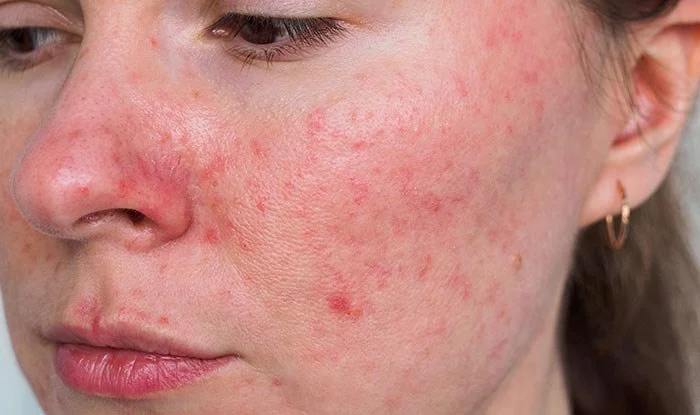
Rosacea is a common skin condition that causes redness, visible blood vessels, and sometimes pimples on the face. It most often affects the central part of the face, including the cheeks, nose, and forehead. While the exact cause of rosacea is unknown, it is believed to be related to an overactive immune system and environmental triggers.
For those with rosacea, taking steps to care for the skin is essential, as flare-ups can be triggered by various factors such as stress, extreme weather, spicy foods, or certain skincare products. Fortunately, with the right treatment and nourishment, you can reduce flare-ups and maintain healthier skin.
2. What Causes Rosacea Flare-Ups?
Rosacea flare-ups can occur when specific triggers cause inflammation in the skin. Some common causes of flare-ups include:
- Environmental Factors: Exposure to extreme temperatures, humidity, or wind can exacerbate rosacea symptoms.
- Dietary Triggers: Spicy foods, alcohol, hot drinks, and foods high in histamines can provoke flare-ups in some individuals.
- Stress: Emotional stress can cause the skin to flush and trigger rosacea symptoms.
- Skin Care Products: Harsh skincare products or ingredients like alcohol or fragrances can irritate sensitive skin and trigger rosacea flare-ups.
By identifying your personal triggers and taking steps to avoid them, you can better manage your rosacea and keep flare-ups at bay.
3. How to Nourish Skin with Rosacea
When it comes to nourishing skin affected by rosacea, gentle care is key. Here are several strategies to help keep your skin healthy:
- Hydrate: Keeping your skin well-hydrated can help reduce irritation and improve its barrier function. Look for moisturizers that are fragrance-free and formulated for sensitive skin.
- Use Gentle Cleansers: Choose mild, non-foaming cleansers that won’t strip your skin of its natural oils. Avoid products with alcohol or harsh exfoliants that can aggravate the skin.
- Apply Sunscreen Daily: Sun exposure is one of the most common triggers for rosacea flare-ups. Use a sunscreen with at least SPF 30 that’s designed for sensitive skin.
- Consider Anti-Inflammatory Ingredients: Ingredients like aloe vera, chamomile, and green tea extract can help soothe inflamed skin and reduce redness.
Incorporating these nourishing practices into your skincare routine can help improve the appearance and health of your skin while minimizing rosacea symptoms.
4. Diet Tips for Rosacea Sufferers
Your diet plays a significant role in managing rosacea. Certain foods may trigger flare-ups, while others can help calm inflammation. Here are some dietary tips for rosacea sufferers:
- Avoid Trigger Foods: Stay away from spicy foods, alcohol, hot beverages, and foods high in histamines, such as aged cheeses and processed meats.
- Eat Anti-Inflammatory Foods: Incorporate foods rich in antioxidants, omega-3 fatty acids, and fiber, such as leafy greens, berries, and fatty fish. These foods help reduce inflammation and promote healthy skin.
- Stay Hydrated: Drinking plenty of water throughout the day can help keep your skin hydrated and reduce redness caused by dehydration.
- Consider Supplements: Some studies suggest that supplements like zinc, vitamin D, and omega-3s may help improve skin health and reduce rosacea flare-ups.
By making mindful dietary choices, you can help support your skin’s health and minimize the frequency of rosacea flare-ups.
5. Skincare Routine for Rosacea
Having a consistent and gentle skincare routine is essential for managing rosacea. Here’s a step-by-step guide for a rosacea-friendly skincare regimen:
- Cleanse Gently: Use a fragrance-free, mild cleanser to wash your face twice daily. Avoid hot water, as it can irritate the skin.
- Moisturize: After cleansing, apply a gentle, hydrating moisturizer to lock in moisture and protect the skin’s barrier.
- Apply Treatment Products: If prescribed by your dermatologist, apply topical treatments like metronidazole or azelaic acid to target inflammation and reduce redness.
- Finish with Sunscreen: Always finish your skincare routine with a broad-spectrum sunscreen to protect against sun-induced flare-ups.
Consistency is key in managing rosacea. By following a gentle and effective skincare routine, you can minimize symptoms and help nourish your skin.
6. Real-Life Case Study: Nourishing Rosacea-Prone Skin
Take the case of Emily, a 32-year-old woman who had struggled with rosacea for several years. Despite trying various treatments, her flare-ups continued to worsen. Emily decided to visit a dermatologist, who recommended a combination of topical treatments, a gentle skincare routine, and dietary changes.
By incorporating anti-inflammatory foods like salmon and leafy greens into her diet and avoiding known triggers such as spicy foods and alcohol, Emily noticed significant improvements in her skin. Additionally, she began using a mild, fragrance-free cleanser and applied sunscreen daily. After a few months, Emily’s rosacea was under control, and her flare-ups became less frequent.
Emily’s story shows how nourishing rosacea-prone skin requires a holistic approach, including skincare, diet, and lifestyle changes. By following a personalized treatment plan, she was able to manage her condition and enjoy clearer, healthier skin.



 GLO30 National Landing4.0 (218 reviews)
 Linda Lee Skin Care & Natural Nails5.0 (2 reviews)
 Carson Skin Rejuvenation5.0 (13 reviews)
 Charm's Aesthetics, LLC5.0 (5 reviews)
 Skin By Candace4.0 (13 reviews)
 Epiphany Dermatology4.0 (1746 reviews)
 How To Boost Your Skin's Sensitive Skin In People Living In Humid Climates
 How To Repair Scars In People Over 40
 How To Brighten Sun Damage Effectively
 Top Tips for Fine Lines in Women: How to Manage and Reduce Them
 How To Reduce Dull Skin With A Simple Routine | Skincare Tips for Radiance
 How To Use Inflamed Skin Treatments for People with Combination Skin