
- 1-Understanding Sun Damage
- 2-How Sun Damage Affects Your Skin
- 3-How To Heal Sun Damage
- 4-How To Manage Sun Damage
- 5-Real-Life Example: Overcoming Sun Damage
1. Understanding Sun Damage
Sun damage occurs when your skin is overexposed to harmful ultraviolet (UV) rays from the sun. The sun emits two types of UV radiation—UVA and UVB—which can both contribute to premature aging, skin burns, and, in the long term, an increased risk of skin cancer.
While sun exposure is essential for vitamin D production, too much of it can harm your skin. Understanding how sun damage works is crucial for prevention and recovery. Long-term sun damage can result in fine lines, wrinkles, sunspots, and a rough texture, but there are effective ways to manage and treat these skin concerns.
2. How Sun Damage Affects Your Skin
When your skin is exposed to the sun for prolonged periods, it undergoes several changes. The main effects of sun damage include:
- Sunburn: Sunburn occurs when your skin’s protective layer is overwhelmed by UV radiation, leading to redness, swelling, and pain.
- Premature Aging: UV rays break down collagen and elastin in the skin, leading to wrinkles, sagging, and loss of skin elasticity.
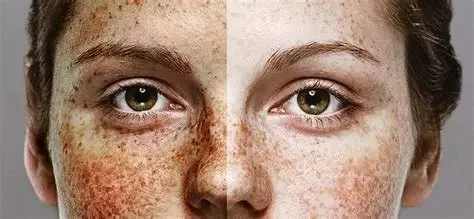
- Hyperpigmentation: Overexposure to the sun can cause sunspots or age spots, which are patches of skin that appear darker than your natural skin tone.
- Skin Cancer: Repeated sun exposure without protection increases the risk of skin cancer, including melanoma, basal cell carcinoma, and squamous cell carcinoma.
While some damage is immediate, such as sunburn, other effects like premature aging or pigmentation changes may take years to manifest. That’s why managing sun damage early on is essential to maintain healthy skin.
3. How To Heal Sun Damage
Healing sun-damaged skin involves both short-term and long-term approaches. Here are some effective ways to restore your skin after sun exposure:
- Moisturize: After sun exposure, it’s essential to hydrate your skin. Use soothing moisturizers that contain aloe vera, hyaluronic acid, or ceramides to help repair the skin's moisture barrier.
- Apply Aloe Vera: Aloe vera is known for its cooling and anti-inflammatory properties, making it an excellent remedy for sunburned skin. Apply aloe vera gel or lotion to reduce redness and soothe the skin.
- Use Vitamin C: Vitamin C is a powerful antioxidant that can help repair skin cells damaged by UV rays. Topical vitamin C serums can brighten sunspots and promote collagen production.
- Hydrocortisone Cream: For severe sunburn, a mild hydrocortisone cream can help reduce inflammation and discomfort. However, use it sparingly and consult a dermatologist if the burn is severe.
- Stay Hydrated: Drink plenty of water to rehydrate your body and support skin recovery from sun damage. Proper hydration helps the skin heal more effectively.
These steps can help you manage sun damage and support your skin’s natural healing process. Keep in mind that consistency is key when it comes to restoring your skin.
4. How To Manage Sun Damage
While it’s essential to heal existing sun damage, it’s equally important to prevent further harm. Here are several strategies to help you manage and protect your skin from future sun damage:
- Use Sunscreen: Apply a broad-spectrum sunscreen with SPF 30 or higher every day, even during cloudy days or winter months. Reapply every two hours, especially if swimming or sweating.
- Avoid Peak Sun Hours: Limit sun exposure during peak hours, typically between 10 a.m. and 4 p.m., when UV rays are the strongest.
- Wear Protective Clothing: Wearing wide-brimmed hats, sunglasses, and long sleeves can provide additional protection against harmful UV rays.
- Seek Shade: Whenever possible, stay in the shade, particularly during the hottest part of the day, to minimize direct exposure to the sun.
- Regular Skin Checkups: Regularly check your skin for any unusual changes, such as new moles, spots, or growths. Early detection of skin cancer is crucial for effective treatment.
By incorporating these habits into your daily routine, you can significantly reduce the risk of further sun damage and protect your skin from harmful UV rays.
5. Real-Life Example: Overcoming Sun Damage
Let’s take the example of Laura, a 40-year-old woman who spent her youth sunbathing without much regard for sun protection. By her early 30s, she began noticing dark spots on her face, along with fine lines and wrinkles developing around her eyes and forehead. Concerned about her skin’s condition, Laura visited a dermatologist.
The dermatologist explained that Laura’s sun exposure had caused both pigmentation changes and premature aging. After undergoing treatments like chemical peels and incorporating vitamin C serums into her skincare routine, Laura began to see significant improvements in her skin tone and texture. She also adopted a daily sunscreen habit to prevent further damage.
Laura’s case is a great example of how treating existing sun damage while managing future sun exposure can lead to significant improvements in skin health and appearance.
If you’re dealing with sun damage or looking to protect your skin from further harm, visit SkinCare Experts for the best skincare products and professional guidance to keep your skin healthy and radiant.



 GLO30 National Landing4.0 (218 reviews)
 Linda Lee Skin Care & Natural Nails5.0 (2 reviews)
 Carson Skin Rejuvenation5.0 (13 reviews)
 Charm's Aesthetics, LLC5.0 (5 reviews)
 Skin By Candace4.0 (13 reviews)
 Epiphany Dermatology4.0 (1746 reviews)
 How To Boost Your Skin's Sensitive Skin In People Living In Humid Climates
 How To Repair Scars In People Over 40
 How To Brighten Sun Damage Effectively
 Top Tips for Fine Lines in Women: How to Manage and Reduce Them
 How To Reduce Dull Skin With A Simple Routine | Skincare Tips for Radiance
 How To Use Inflamed Skin Treatments for People with Combination Skin