
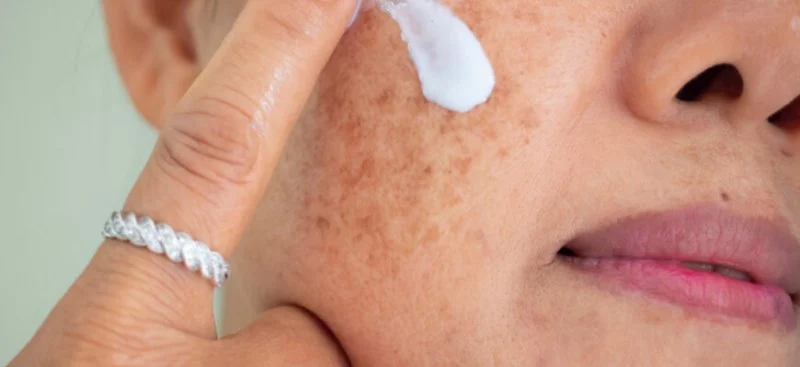
- 1- What Are Age Spots?
- 2- Causes of Age Spots
- 3- How to Prevent Age Spots
- 4- How to Treat Age Spots Effectively
- 5- Recommended Skincare Products for Age Spots
1- What Are Age Spots?
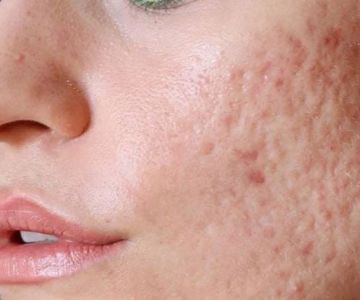
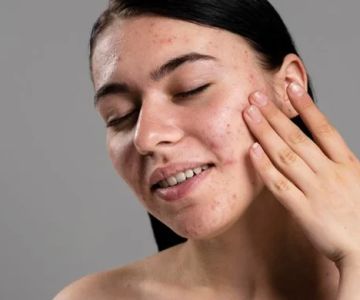
Age spots, also known as liver spots or solar lentigines, are flat, brown, gray, or black spots that appear on the skin, often due to prolonged sun exposure. They are typically seen in areas that are most exposed to sunlight, such as the face, hands, shoulders, and arms. Though they are common among older adults, they can also develop in younger individuals who spend significant time in the sun without proper protection.
These spots are generally harmless and do not cause pain or itching. However, many people seek ways to reduce their appearance for aesthetic reasons. Understanding age spots is the first step in preventing and treating them effectively.
2- Causes of Age Spots
While age spots are primarily caused by sun exposure, several factors contribute to their development:
- Sun Exposure: The primary cause of age spots is the overproduction of melanin due to prolonged exposure to UV rays. The skin darkens as a defense mechanism against UV damage, leading to the formation of spots over time.
- Hormonal Changes: Hormonal changes, especially those that occur during pregnancy or menopause, can trigger the development of age spots. This is often referred to as "pregnancy mask" or melasma.
- Genetics: Some individuals are more prone to developing age spots due to their genetic makeup. If your parents or grandparents had age spots, you may be at a higher risk of developing them as well.
- Skin Aging: As we age, our skin’s ability to regenerate slows down, making it more susceptible to damage. The combination of skin aging and sun exposure increases the likelihood of age spots.
3- How to Prevent Age Spots
Prevention is always better than treatment when it comes to age spots. Here are some effective ways to protect your skin:
- Use Sunscreen Daily: Protecting your skin from UV rays is the most important step in preventing age spots. Choose a broad-spectrum sunscreen with an SPF of at least 30 and apply it generously on all exposed areas, even on cloudy days or indoors.
- Wear Protective Clothing: In addition to sunscreen, wearing hats, long sleeves, and sunglasses can help reduce the amount of direct sunlight that reaches your skin.
- Avoid Peak Sun Hours: The sun’s rays are the strongest between 10 a.m. and 4 p.m. Try to stay in the shade during these hours to minimize exposure.
- Consider Chemical Peels or Retinoids: Regular chemical peels or retinoid treatments can help exfoliate the skin and prevent the buildup of melanin. These treatments can promote skin renewal and reduce the appearance of dark spots.
4- How to Treat Age Spots Effectively
If you already have age spots and want to reduce their appearance, several treatment options are available:
- Topical Treatments: There are several creams and serums that target age spots. Look for products containing ingredients like hydroquinone, retinoids, or vitamin C, which can lighten the dark spots and promote even skin tone.
- Laser Therapy: Laser treatments, such as fractional laser or intense pulsed light (IPL), can effectively break down melanin and reduce the appearance of age spots. These treatments are typically performed by a dermatologist.
- Cryotherapy: Cryotherapy involves freezing the age spots with liquid nitrogen to destroy the pigment. This method can provide quick results but should be performed by a professional to avoid scarring.
- Microdermabrasion: This non-invasive treatment exfoliates the skin to remove the outer layer, helping to reduce the appearance of age spots over time. Microdermabrasion can be performed at a dermatologist’s office or with a home device.
5- Recommended Skincare Products for Age Spots
If you're looking to treat age spots at home, here are some skincare products that are particularly effective:
- Hydroquinone Creams: Hydroquinone is a skin-lightening agent that can reduce pigmentation. Look for over-the-counter options or consult a dermatologist for prescription-strength products.
- Vitamin C Serums: Vitamin C is a powerful antioxidant that brightens the skin and helps reduce the appearance of age spots. Regular use of a vitamin C serum can fade spots and promote an even complexion.
- Retinoids: Retinoids are derived from Vitamin A and are known for their ability to accelerate cell turnover and reduce dark spots. They help prevent the buildup of melanin and promote healthier skin overall.
- SPF 30 or Higher Sunscreen: Daily use of sunscreen is crucial to prevent the worsening of age spots. Opt for a broad-spectrum sunscreen with an SPF of at least 30 to ensure adequate protection.
For expert advice and a curated selection of skincare products, visit SkinCare Experts to find the right solutions for treating and preventing age spots. Explore our range of serums, sunscreens, and anti-aging treatments designed to give you clearer, younger-looking skin.
 Skin Awakened LLC5.0 (4 reviews)
 Red Rose Beauty Center4.0 (36 reviews)
 Lotus Beauty Esthetics0.0 (0 reviews)
 MI Body Contours and Cosmetics MedSpa4.0 (317 reviews)
 Peachy Grand Central4.0 (1131 reviews)
 Taylor the Esty Skin Studio5.0 (116 reviews)
 How to Nourish Face Masks for Scarred Skin: A Complete Healing Guide
 Skin Care Tips for Fine Lines in People with Combination Skin
 How to Soothe Eye Creams for Dark Circles: Tips, Ingredients & Application
 How To Repair Sun Damage Effectively With Proven Skincare and Professional Treatments
 Best Ingredients For Sun Damage Relief for Athletes - Top Ingredients & Tips
 Common Mistakes in Sensitive Skin for People Living in Humid Climates