
- 1. Understanding Acne Scars and Their Causes
- 2. Effective Skin Care Routine for Acne Scar Treatment
- 3. Top Treatments for Acne Scars
- 4. Preventing Acne Scars Through Consistent Care
- 5. When to Seek Professional Help for Acne Scars
1. Understanding Acne Scars and Their Causes
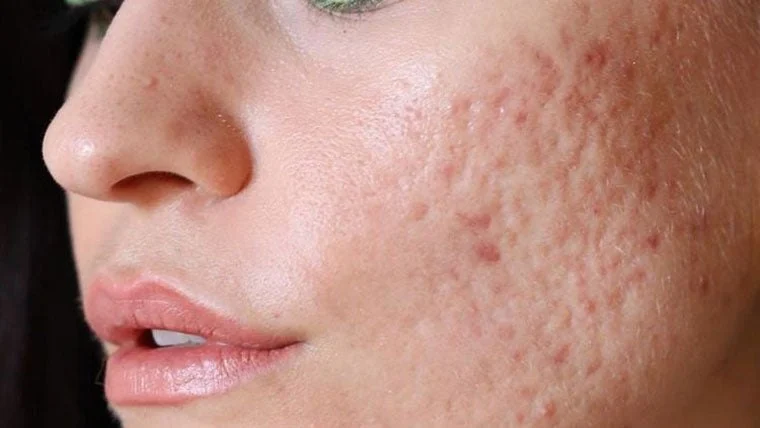
Acne scars are a common result of severe acne, and they can be frustrating to deal with. These scars are caused by the inflammation that occurs when the pores in your skin become clogged with excess oil, dead skin cells, and bacteria. When the acne lesion heals, it can leave behind scars due to the damage caused to the skin tissue.
There are two main types of acne scars: hypertrophic (raised) scars and atrophic (depressed) scars. Atrophic scars are typically the most common and occur when the skin loses tissue due to the inflammation caused by the acne. Hypertrophic scars, on the other hand, result from the overproduction of collagen during the healing process, leading to raised scars.
While acne scars can take time to heal, consistent skin care can help treat and prevent them. Understanding the causes and types of acne scars is essential for selecting the right treatments and preventing further skin damage.
2. Effective Skin Care Routine for Acne Scar Treatment
A consistent skin care routine is key to treating and preventing acne scars. By incorporating specific steps into your routine, you can promote faster healing and minimize the appearance of scars.
2.1 Cleanse Your Skin Gently
Start by gently cleansing your skin with a mild, non-comedogenic cleanser. Harsh scrubbing or using products that are too strong can irritate your skin and worsen acne scarring. Cleanse your face twice a day—morning and night—to remove dirt, oil, and bacteria, while maintaining the skin’s natural balance.
2.2 Exfoliate Regularly
Exfoliation helps remove dead skin cells and encourages the production of new, healthy skin. Use a gentle exfoliant containing ingredients like salicylic acid or alpha hydroxy acids (AHAs) that can help to unclog pores and reduce the appearance of scars. However, avoid over-exfoliating, as this can cause irritation and further scarring.
2.3 Moisturize Daily
Moisturizing your skin is crucial for acne scar treatment. Using a lightweight, non-comedogenic moisturizer helps keep your skin hydrated, which can speed up the healing process. Moisturizers containing ingredients like hyaluronic acid can help plump up the skin and smooth out scars over time.
3. Top Treatments for Acne Scars
While a good skin care routine is essential, there are additional treatments that can help reduce acne scars and promote clearer skin. Here are some of the top treatments for acne scars:
3.1 Retinoids
Topical retinoids, such as tretinoin, are often recommended for treating acne scars. They work by speeding up cell turnover, which helps to remove dead skin cells and promote the growth of new, healthy skin. Retinoids also stimulate collagen production, which can improve the texture of scars over time.
3.2 Vitamin C Serums
Vitamin C is known for its skin-brightening properties and ability to reduce hyperpigmentation. Applying a vitamin C serum to your skin can help lighten dark spots left by acne and even out skin tone. Over time, it can help fade post-inflammatory hyperpigmentation (the dark marks left after acne heals).
3.3 Chemical Peels
Chemical peels are an effective way to exfoliate the skin and improve the appearance of acne scars. A chemical solution is applied to the skin, which causes the outer layers to peel off, revealing fresher, smoother skin underneath. This treatment can help reduce both atrophic and hypertrophic scars by promoting new skin growth.
4. Preventing Acne Scars Through Consistent Care
The best way to prevent acne scars is to manage acne before it leads to scarring. Here are some proactive steps to help reduce your risk of developing acne scars:
4.1 Don’t Pick or Squeeze Pimples
One of the biggest mistakes people make when they have acne is picking or squeezing pimples. Doing this can push bacteria deeper into the skin and cause more inflammation, which increases the likelihood of scarring. Let your pimples heal on their own to prevent additional damage to your skin.
4.2 Protect Your Skin from the Sun
Sun exposure can worsen acne scars by causing pigmentation changes and making scars more noticeable. Use sunscreen with at least SPF 30 daily, even when you’re indoors. Protecting your skin from UV rays will prevent further skin damage and help scars fade more quickly.
4.3 Treat Acne Early
Early treatment of acne can help prevent scars from forming in the first place. If you notice acne starting to develop, take steps to address it with acne-fighting products such as salicylic acid, benzoyl peroxide, or topical retinoids. The sooner you treat acne, the less likely it is to leave scars behind.
5. When to Seek Professional Help for Acne Scars
While a consistent skin care routine and at-home treatments can work wonders for some people, others may need professional help to treat severe or stubborn acne scars. Here are a few situations where it’s best to consult a dermatologist:
5.1 Deep or Widespread Scarring
If you have deep or widespread scarring, a dermatologist can recommend treatments such as microneedling, laser therapy, or dermal fillers to address the scars more effectively. These professional treatments can provide more dramatic results than over-the-counter products.
5.2 Persistent Acne
If your acne continues to flare up and you’re struggling to manage it, it’s time to seek help. A dermatologist can prescribe stronger topical or oral medications to control your acne and prevent scarring from occurring in the first place.
For expert advice, products, and personalized recommendations for treating acne scars, visit SkinCare Experts, where we offer the best solutions for clearer, smoother skin.


 Sleekskin Aesthetics5.0 (23 reviews)
 be-YOU-tiful-GLOW Skincare Services5.0 (71 reviews)
 Skin Boutique by Angelique4.0 (14 reviews)
 Rachel Aloupis, LE0.0 (0 reviews)
 Alta Aesthetics - Morpheus8 - Laser Hair Removal4.0 (44 reviews)
 Permanent Makeup Brows, Lashes, Facials and more Jcbeautydesign4.0 (41 reviews)
 Top 15 Tips to Avoid Mistakes with Your Oily Skin Routine
 Best Skin Care Routine For Puffy Eyes With A Simple Routine
 Everything You Need to Know About Frozen Shoulder Relief from a Chiropractic Perspective
 How to Avoid Oily Skin in People with Sensitive Skin – Dermatologist Tips & Daily Skincare Guide
 Best Practices For Dull Skin Using Natural Remedies
 Tips for Sensitive Skin with Whiteheads: Effective Solutions for Clearer Skin