
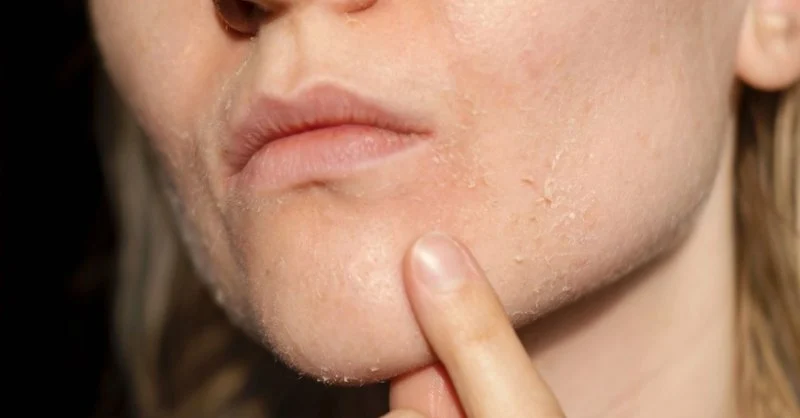
Why Skin Dryness and Irritation Happen
Dry skin and irritation can occur for many reasons, from environmental factors like cold weather and low humidity to lifestyle choices such as hot showers and harsh soaps. When the skin’s natural moisture barrier is compromised, it can lead to dryness, itching, redness, and irritation. Certain skin conditions, such as eczema or psoriasis, can also worsen these symptoms. Understanding what causes your skin to become dry or irritated is essential for finding the right remedy.
Common Causes of Skin Dryness and Irritation
- Weather conditions (cold, dry air)
- Hot showers or baths
- Harsh skincare products
- Skin conditions (eczema, psoriasis)
- Dehydration
Understanding Natural Remedies for Dry Skin
Natural remedies for skin dryness and irritation are a great way to treat these issues without using harsh chemicals. Many plants and oils have moisturizing, soothing, and anti-inflammatory properties that can relieve itching, redness, and flakiness. These remedies are not only effective but also safe for long-term use and are often more affordable than store-bought products.
Why Choose Natural Remedies?
Natural remedies are often gentler on the skin, making them ideal for those with sensitive skin or allergic reactions to synthetic ingredients. They can provide immediate relief while nourishing the skin with vitamins, antioxidants, and fatty acids. Whether you’re looking for a quick fix or a long-term solution, natural ingredients can help restore hydration and soothe irritation.
Top Natural Remedies for Skin Dryness and Irritation
Here are some of the best natural remedies that can help combat dry skin and irritation effectively:
1. Coconut Oil
Coconut oil is a popular remedy for dry skin due to its high-fat content and moisturizing properties. It’s rich in antioxidants and anti-inflammatory compounds, which help soothe irritated skin. Simply apply a small amount to the affected area and massage gently. It’s perfect for dry patches or all-over hydration, especially during colder months.
2. Aloe Vera
Aloe vera is well-known for its soothing properties, especially when it comes to skin irritation. It cools and hydrates the skin, making it ideal for soothing sunburns, rashes, or minor burns. For a natural remedy, use fresh aloe vera gel directly from the plant or purchase pure aloe vera gel. Apply it to your skin and allow it to absorb.
3. Oatmeal Baths
Oatmeal is a fantastic natural ingredient for soothing itchy, irritated skin. The avenanthramides in oatmeal have anti-inflammatory and antioxidant properties that calm the skin. To prepare an oatmeal bath, add one to two cups of colloidal oatmeal (finely ground oatmeal) to warm bathwater and soak for about 15-20 minutes.
4. Honey
Honey is a natural humectant, which means it helps retain moisture. It also has antibacterial and anti-inflammatory properties, making it an excellent option for treating dry, irritated skin. Apply honey directly to dry patches and let it sit for 10-15 minutes before rinsing off. It’s a great remedy for both body and facial dryness.
5. Olive Oil
Olive oil is another rich natural oil that helps moisturize the skin. Packed with healthy fats and antioxidants, it helps nourish and repair dry skin. You can use it as a body lotion or facial moisturizer by gently massaging it into the skin. It’s especially beneficial for very dry areas like elbows and knees.
6. Avocado Mask
Avocados are loaded with healthy fats and vitamins that can deeply hydrate and replenish dry skin. To make an avocado mask, mash half an avocado and apply it to your face or other dry areas. Leave it on for 10-15 minutes before rinsing off. This treatment can help restore moisture and soothe irritated skin.
Other Tips for Maintaining Hydrated Skin
Along with natural remedies, there are other lifestyle changes and habits you can adopt to keep your skin moisturized and healthy:
1. Stay Hydrated
Drinking plenty of water is crucial for maintaining healthy, hydrated skin. When your body is properly hydrated, it helps to keep your skin’s moisture balance in check, preventing dryness and irritation.
2. Avoid Hot Showers
While a hot shower may feel relaxing, hot water can strip your skin of its natural oils, leading to dryness. Instead, opt for lukewarm water and limit your shower time to avoid further irritation.
3. Use Gentle Skincare Products
Avoid using harsh soaps and skincare products with alcohol or fragrances that can dry out or irritate your skin. Choose products labeled for sensitive skin, and look for ingredients like glycerin or hyaluronic acid, which help to lock in moisture.
When to See a Doctor
While natural remedies can help treat mild skin dryness and irritation, it’s important to consult with a doctor if your symptoms persist or worsen. If you have a chronic skin condition like eczema or psoriasis, or if you experience severe itching, redness, or swelling, it’s best to seek medical advice to ensure you’re using the most effective treatments for your skin’s needs.
In some cases, your doctor may recommend prescription treatments or a tailored skincare regimen to manage more serious issues. Never hesitate to reach out for professional advice if you’re concerned about the health of your skin.





 Hormonal Skin Studio0.0 (0 reviews)
 NKDSKN5.0 (1 reviews)
 Dermcare Physicians and Surgeons5.0 (4 reviews)
 Milena Massage and Skin Care5.0 (10 reviews)
 Bella Visage at Rota Advanced Dental Care5.0 (1 reviews)
 JT Elegant5.0 (11 reviews)
 Guide to Skin Care Treatments for Cleansers for Age Spots Skin
 How To Use Retinol To Improve Rosacea
 Best Practices for Dry Skin: Tips for Relief and Hydration
 The Ultimate Guide to Finding the Right Moisturizer for Your Skin
 The Best Natural Remedies for Skin Dryness and Irritation
 How To Detoxify Sun Damage Effectively