

- 1 - What is Sun Damage?
- 2 - How Sun Damage Affects Women’s Skin
- 3 - The Risks of Excessive Sun Exposure
- 4 - Effective Skincare Tips to Prevent Sun Damage
- 5 - Real-Life Stories and Examples of Sun Damage
1 - What is Sun Damage?
Sun damage refers to the harm caused to the skin due to prolonged exposure to the sun’s ultraviolet (UV) rays. These rays penetrate the skin and can cause immediate damage such as sunburn, as well as long-term effects like premature aging, pigmentation issues, and even skin cancer. For women, whose skin may have different sensitivities depending on factors like age, skin tone, and hormonal changes, sun exposure can have varying consequences over time. Understanding these effects is crucial in maintaining healthy skin and preventing irreversible damage.
2 - How Sun Damage Affects Women’s Skin
Women's skin is particularly vulnerable to sun damage due to several factors, including hormonal changes that can occur with pregnancy, birth control, or menopause. These hormonal fluctuations can make the skin more susceptible to hyperpigmentation, such as melasma (dark spots) and freckles. Additionally, women often have thinner skin in some areas, which can increase the rate at which UV rays penetrate the skin, leading to faster aging.
Over time, repeated sun exposure can break down collagen and elastin in the skin, leading to wrinkles, sagging, and fine lines. This process is called photoaging. Women who spend time outdoors without proper protection may notice these signs earlier than those who take steps to shield their skin from the sun.
3 - The Risks of Excessive Sun Exposure
Excessive sun exposure can lead to several skin conditions and long-term health risks. Some of the most common risks include:
- Premature Aging: Prolonged exposure to the sun accelerates the breakdown of collagen, leading to wrinkles, age spots, and loss of skin elasticity.
- Skin Cancer: UV radiation is a leading cause of skin cancer, including basal cell carcinoma, squamous cell carcinoma, and the more dangerous melanoma.
- Sunburn: Severe sunburns can damage the outer layers of the skin, causing redness, peeling, and even blisters, with long-term effects like scarring and pigmentation issues.
- Hyperpigmentation: The appearance of dark spots and uneven skin tone, often exacerbated by hormonal changes, can result from chronic sun exposure.
While some sun exposure is necessary for vitamin D production, it’s crucial to protect the skin to minimize these risks, especially since the damage caused by UV rays accumulates over time.
4 - Effective Skincare Tips to Prevent Sun Damage
Preventing sun damage requires proactive skincare habits. Here are a few tips to help protect your skin from harmful UV rays:
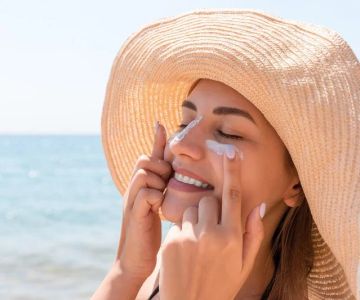
- Always Apply Sunscreen: The most effective way to protect your skin from UV damage is by applying sunscreen with an SPF of at least 30. Choose a broad-spectrum sunscreen that protects against both UVA and UVB rays. Reapply every two hours, or more often if swimming or sweating.
- Wear Protective Clothing: Long sleeves, hats, and sunglasses are essential when spending time outdoors. Consider investing in UV-protective clothing for added defense.
- Seek Shade: Whenever possible, avoid direct sunlight, especially during peak hours (10 AM to 4 PM) when UV rays are the strongest.
- Stay Hydrated: Drink plenty of water to keep your skin hydrated and support its natural barrier against environmental stressors.
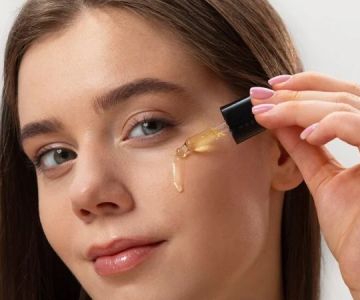
- Use Antioxidant Skincare: Antioxidants like vitamin C can help protect the skin from sun-induced oxidative stress. Consider adding products with antioxidants to your daily skincare routine.
By incorporating these simple steps into your daily routine, you can significantly reduce the risk of sun damage and maintain healthier, more youthful-looking skin.
5 - Real-Life Stories and Examples of Sun Damage
Many women have experienced the effects of sun damage firsthand, and their stories serve as important reminders of how crucial sun protection is. For example, Emma, a woman in her mid-30s, noticed the appearance of dark spots on her face after years of sunbathing in her 20s. “I didn’t think much of it at the time, but now I’m paying the price with pigmentation that’s hard to treat,” she shares. Emma now prioritizes sunscreen and uses products aimed at reducing hyperpigmentation, though she advises others to start protecting their skin early.
Another example is Rachel, a mother of two who developed early signs of fine lines and wrinkles in her late 40s. She remembers frequenting the beach without proper sunscreen in her younger years. “It wasn’t until I started noticing deep wrinkles around my eyes that I realized how much damage I had done over the years,” Rachel admits. She now advocates for consistent sun protection and encourages her friends and family to be more mindful of their skincare habits.
These personal stories highlight the importance of early prevention and consistent sun protection to avoid the long-term effects of sun exposure.


 Skin Crafters5.0 (4 reviews)
 Naturophoria4.0 (41 reviews)
 Skin & Body Alchemy4.0 (11 reviews)
 Premiere Skin Care4.0 (17 reviews)
 Pureverra0.0 (0 reviews)
 Atelier Aesthetics By Ash5.0 (3 reviews)
 How to Treat Acne and Manage It: Effective Tips for Clear Skin
 How To Treat Dry Skin: What You Need To Know
 Daily Skin Care Routine For Your Whiteheads With These 15 Tips | SkinCare Experts
 How To Get Rid Of Age Spots And How To Manage It
 How to Incorporate Peptides into Your Skincare Routine for Smoother Skin
 How To Detoxify Your Scars With These 7 Proven Tips