
- 1 - What Are Peptides and Why Are They Important for Your Skin?
- 2 - Benefits of Peptides for Smoother, Younger-Looking Skin
- 3 - How to Incorporate Peptides into Your Skincare Routine
- 4 - Choosing the Right Peptides for Your Skin Type
- 5 - Real-Life Experiences with Peptides in Skincare
1 - What Are Peptides and Why Are They Important for Your Skin?
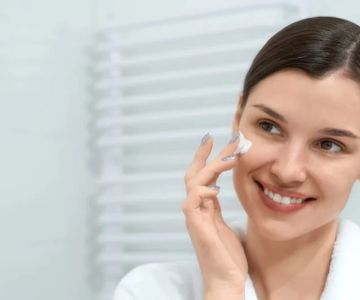
Peptides are short chains of amino acids that play a vital role in your skin’s health. They act as building blocks for proteins like collagen and elastin, which are essential for maintaining your skin’s structure, elasticity, and strength. When used in skincare products, peptides help to repair skin cells, promote collagen production, and reduce the appearance of wrinkles.
Incorporating peptides into your skincare routine can significantly improve skin texture, firmness, and overall appearance. They are often used in anti-aging treatments due to their ability to target fine lines and promote a smoother, more youthful complexion.
2 - Benefits of Peptides for Smoother, Younger-Looking Skin
Peptides are packed with benefits that make them a must-have in any skincare routine. Here are some key advantages:
- Boost Collagen Production: Collagen is a protein that keeps your skin firm and plump. As we age, collagen production naturally declines, leading to sagging skin and wrinkles. Peptides help stimulate collagen production, which improves skin texture and firmness.
- Reduce Fine Lines and Wrinkles: Peptides promote the production of elastin and collagen, two proteins that help keep skin smooth and elastic. This helps reduce the appearance of fine lines and wrinkles, giving your skin a youthful glow.
- Enhance Skin Barrier Function: Peptides also help strengthen your skin’s barrier, which protects against environmental stressors like pollution and UV rays. This leads to healthier, more resilient skin.
- Improve Skin Hydration: Certain peptides help boost hydration by preventing moisture loss, keeping your skin soft, smooth, and hydrated.
3 - How to Incorporate Peptides into Your Skincare Routine
Adding peptides to your skincare routine is straightforward, and you can start seeing noticeable results within weeks. Here’s how to effectively incorporate peptides into your regimen:
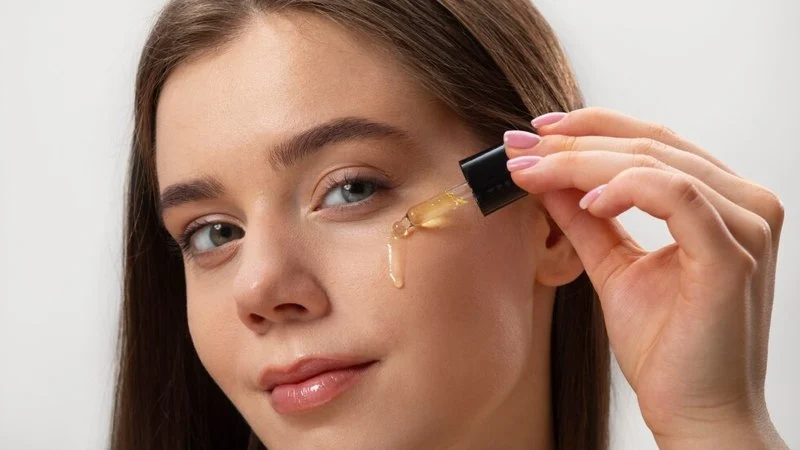
Step 1: Choose a Peptide-Powered Serum
Serums are highly concentrated and designed to penetrate deeply into the skin, making them the perfect vehicle for peptides. Look for a serum that contains peptides like palmitoyl pentapeptide, copper peptides, or acetyl hexapeptide, which are known for their anti-aging benefits.
Apply the serum to clean, dry skin after cleansing and before moisturizing. Gently massage the serum into your face and neck, allowing it to absorb fully. You can use it in the morning or at night, depending on your preference.
Step 2: Layer with Moisturizer
After applying your peptide serum, follow up with a moisturizer to lock in hydration. Look for a moisturizer that complements your serum and contains other beneficial ingredients, like hyaluronic acid or antioxidants, to support your skin’s health and hydration.
Moisturizing will help seal in the peptides and enhance their effectiveness, keeping your skin soft and smooth throughout the day or night.
Step 3: Use Peptides Regularly
For the best results, consistency is key. Use your peptide-infused serum daily, ideally both in the morning and evening, to maintain collagen production and prevent signs of aging. Over time, you’ll notice smoother, firmer skin with fewer fine lines.
4 - Choosing the Right Peptides for Your Skin Type
Not all peptides are the same, and different peptides offer various benefits depending on your skin’s needs. Here’s how to choose the best peptide for your skin type:
For Dry Skin
If you have dry skin, opt for peptides that focus on hydration and strengthening the skin’s moisture barrier. Look for products that contain peptides like palmitoyl pentapeptide, which can help enhance hydration and restore skin’s natural barrier.
For Oily or Acne-Prone Skin
If your skin is oily or acne-prone, choose lightweight peptide serums that won’t clog pores. Peptides such as copper peptides help regulate oil production and promote skin healing, which can be especially beneficial for those prone to breakouts.
For Sensitive Skin
For sensitive skin, go for peptides that are gentle and soothing. Look for formulas with calming ingredients like argireline, which can help relax muscles and reduce the appearance of fine lines without irritating sensitive skin.
5 - Real-Life Experiences with Peptides in Skincare
Many people have experienced the transformative effects of peptides in their skincare routines. For example, Emma, a 32-year-old from New York, shared, “I started using a peptide serum for my fine lines around my eyes and forehead, and after just a month, I noticed my skin was smoother, and the wrinkles were less noticeable. I feel more confident going makeup-free now.”
Similarly, Michael, a skincare enthusiast from California, said, “I’ve always had oily skin, and acne has been a constant struggle. After incorporating a peptide serum into my routine, my skin is much clearer, and my breakouts have decreased. The added hydration has balanced my skin out as well.”
These real-life stories demonstrate how peptides can address different skincare concerns, whether you're dealing with aging, acne, or dryness. With consistent use, peptides can help you achieve smoother, healthier skin.
If you're ready to experience the benefits of peptides in your skincare routine, visit SkinCare Experts for the best peptide-based products and expert advice to help you achieve your skincare goals.


 Healthy Beautiful Skin and Tan5.0 (93 reviews)
 Alnutt Tonya0.0 (0 reviews)
 Smat Beauty5.0 (1 reviews)
 Skin Vida5.0 (5 reviews)
 SpringBomBeauty5.0 (2 reviews)
 LA Microbeauty5.0 (50 reviews)
 How To Avoid Moisturizer to Improve Scars Without Compromising Healing
 Everything You Need to Know About Sensitive Skin for Athletes
 How To Detoxify Physical Exfoliants For Oily Skin Skin: A Complete Guide
 How to Boost Your Skin's Large Pores: Tips and Techniques for Clearer Skin
 How To Avoid Rosacea: What You Need To Know
 How to Choose the Right Puffy Eyes Treatment for Teens