
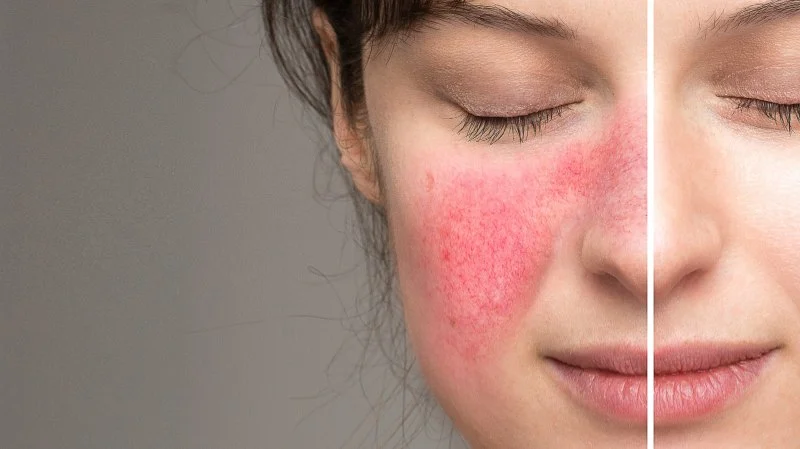
- #how-to-avoid-rosacea - How To Avoid Rosacea: What You Need To Know
- #understanding-rosacea - Understanding Rosacea: Symptoms and Causes
- #rosacea-triggers - Common Triggers of Rosacea and How to Avoid Them
- #skincare-tips - Skincare Tips for Rosacea Prevention and Treatment
- #skincare-experts-products - Best Products for Rosacea Care at SkinCare Experts
How To Avoid Rosacea: What You Need To Know
Rosacea is a common yet often misunderstood skin condition that affects millions of people worldwide. Characterized by redness, visible blood vessels, and sometimes acne-like breakouts, rosacea can be both physically and emotionally challenging. While there is no cure for rosacea, the good news is that with proper care and attention, flare-ups can be managed or even prevented. This guide will provide you with everything you need to know about avoiding rosacea, managing its symptoms, and maintaining healthy, radiant skin.
In this article, we'll dive into the causes and triggers of rosacea, practical steps you can take to avoid flare-ups, and expert tips for creating a skincare routine that minimizes irritation. By understanding how rosacea works, you can take proactive steps to keep your skin healthy and calm.
Understanding Rosacea: Symptoms and Causes
Before we discuss how to avoid rosacea, it's important to understand the condition itself. Rosacea is a chronic skin disorder that primarily affects the face, especially the nose, cheeks, and forehead. While the exact cause of rosacea is still unclear, researchers believe a combination of genetic and environmental factors plays a significant role.
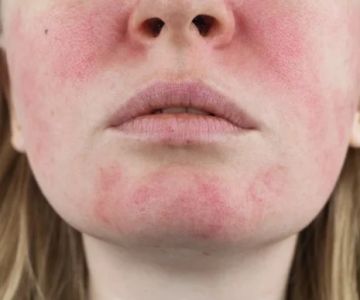
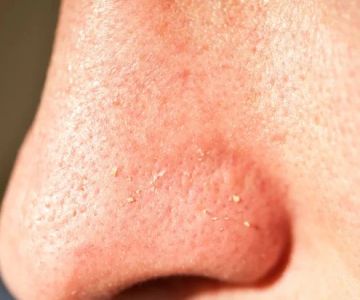
The main symptoms of rosacea include persistent facial redness, visible blood vessels, and bumps or pimples that resemble acne. In some cases, rosacea can lead to thickening of the skin, particularly around the nose (a condition called rhinophyma). Other symptoms may include a burning or stinging sensation, dry or irritated eyes, and an enlarged appearance of pores.
Although rosacea is most commonly seen in fair-skinned individuals, it can affect people of all skin types. It’s also more prevalent in individuals between the ages of 30 and 50, particularly those with a family history of the condition. Understanding these symptoms and the potential triggers is key to effectively managing rosacea.
Common Triggers of Rosacea and How to Avoid Them
Rosacea flare-ups can be triggered by various factors, and avoiding these triggers is one of the most effective ways to prevent symptoms. While each person’s triggers can differ, here are some common culprits that you should watch out for:
1. Sun Exposure
One of the most common triggers for rosacea flare-ups is exposure to sunlight. The sun's rays can cause skin irritation, leading to redness and inflammation. To protect your skin, it’s essential to apply sunscreen every day, even on cloudy days. Opt for a broad-spectrum sunscreen with an SPF of 30 or higher and choose a formula specifically designed for sensitive skin.
2. Hot and Cold Temperatures
Extreme weather conditions, such as excessive heat or cold, can also exacerbate rosacea symptoms. When it's hot outside, sweating can cause irritation, while cold temperatures can lead to dry skin. Try to protect your skin by wearing a scarf or hat in cold weather and staying in the shade during hot days. If you’re in a climate with fluctuating temperatures, consider using a hydrating moisturizer to keep your skin nourished.
3. Spicy Foods and Alcohol
Certain foods and beverages, especially spicy dishes and alcohol, can cause rosacea flare-ups in some individuals. These items can dilate blood vessels and increase blood flow to the skin, resulting in redness. If you find that spicy food or alcohol aggravates your rosacea, it’s best to limit their consumption or avoid them altogether.
4. Stress
Emotional stress is another significant trigger for rosacea flare-ups. Stress can increase the body’s production of certain hormones, which in turn can cause skin irritation. Incorporating relaxation techniques such as yoga, meditation, or deep breathing exercises into your daily routine can help manage stress levels and prevent flare-ups.
5. Skincare Products
Harsh skincare products containing alcohol, fragrance, or certain chemicals can irritate rosacea-prone skin. When choosing skincare products, look for gentle, hypoallergenic formulas that are specifically designed for sensitive skin. Avoid abrasive scrubs and opt for soothing, non-irritating cleansers and moisturizers.
Skincare Tips for Rosacea Prevention and Treatment
An effective skincare routine is crucial for preventing and managing rosacea. Below are some skincare tips that can help you maintain calm, healthy skin:
1. Cleanse Gently
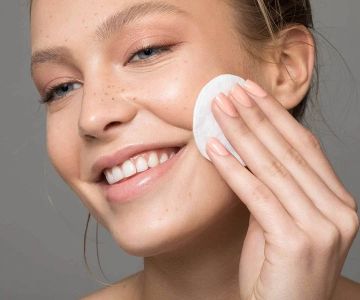
Use a mild, fragrance-free cleanser to wash your face twice daily. Avoid scrubbing your skin or using hot water, as these actions can irritate rosacea-prone skin. Pat your face dry with a soft towel instead of rubbing it.
2. Moisturize Regularly
Keeping your skin hydrated is essential. Use a non-comedogenic, fragrance-free moisturizer to lock in moisture and prevent dryness. Choose a moisturizer with ingredients like ceramides, glycerin, or hyaluronic acid to help soothe and protect the skin barrier.
3. Use Sun Protection
As mentioned earlier, sun exposure is a major trigger for rosacea. To protect your skin, apply a broad-spectrum sunscreen every morning, even if you’re indoors or the weather is cloudy. Consider using a sunscreen with added antioxidants, as they can help reduce redness and inflammation.
4. Avoid Overheating
Avoid activities or environments that could cause you to overheat, such as hot showers, saunas, or intense exercise in high temperatures. If you do engage in physical activity, try to do so in a cool environment to minimize the risk of irritation.
5. Consult a Dermatologist
If you have persistent rosacea symptoms, it’s important to consult with a dermatologist. They can provide personalized advice and recommend prescription treatments, such as topical creams or oral medications, to help manage your condition. A dermatologist can also suggest treatments like laser therapy for redness reduction or IPL (Intense Pulsed Light) for more severe cases.
Best Products for Rosacea Care at SkinCare Experts
At SkinCare Experts, we offer a variety of products specially formulated to help manage rosacea symptoms and maintain skin health. From gentle cleansers to soothing moisturizers and sun protection, our curated selection of rosacea-friendly skincare products can help you achieve calm, clear skin.
Visit our website to explore the best products for rosacea care and find the right skincare routine for your needs. We offer expert advice and top-quality products to help you manage rosacea with confidence.
 CCS Laser Rejuvenation5.0 (4 reviews)
 Jordan & Petersen Skincare by Susie5.0 (12 reviews)
 Ava Facials0.0 (0 reviews)
 Esthetics by Jenn5.0 (26 reviews)
 Polished Rx Skin Couture4.0 (15 reviews)
 Numi Beauty & Wellness5.0 (4 reviews)
 How to Manage Eye Creams for Dry Skin | SkinCare Experts
 Benefits of Using Scars and How to Manage It
 Best Skin Care Routine For Scars For Sensitive Skin: Effective Healing Tips
 How To Treat Wrinkles Using Natural Remedies: Expert Tips and Solutions
 How To Heal Redness: Effective Tips for Skin Care and Recovery
 Effective Ways to Soothe and Treat Sun Damage