
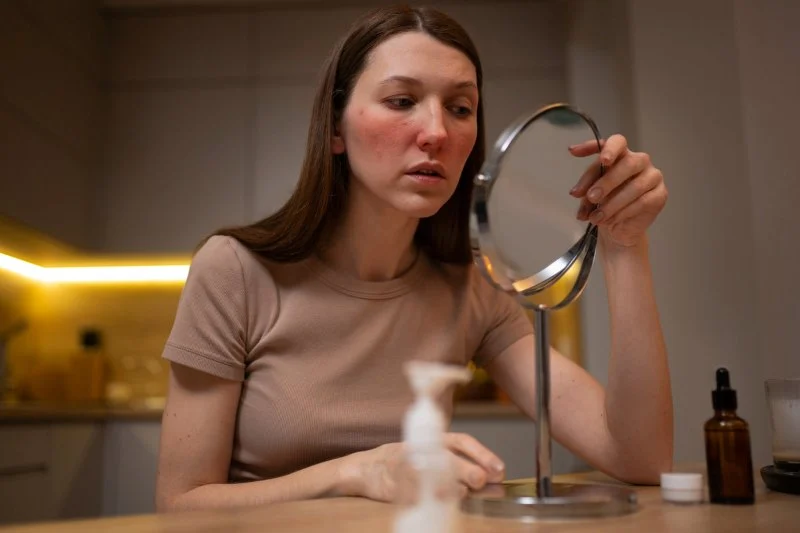
- Understanding Skin Redness
- Common Causes of Skin Redness
- Natural Remedies for Reducing Redness
- Skincare Products to Heal Redness
- When to Seek Medical Attention for Skin Redness
- Expert Tips for Managing Skin Redness
Understanding Skin Redness
Skin redness is a common skin condition that can be caused by several factors, ranging from mild irritation to more serious skin conditions. It occurs when blood vessels beneath the skin dilate, causing the skin to appear flushed or inflamed. The redness can appear anywhere on the body but is most noticeable on the face, neck, and chest. Understanding the underlying causes of skin redness is the first step in determining the right course of action for treatment.
In most cases, redness is temporary and can be reduced with proper skin care and lifestyle adjustments. However, persistent or severe redness may require more attention and care, particularly if it is accompanied by pain, swelling, or other symptoms.
Common Causes of Skin Redness
There are several reasons why skin may become red. These can range from minor irritations to more serious conditions. Here are some common causes:
- Sunburn: Overexposure to UV rays can damage the skin and cause redness, swelling, and discomfort.
- Allergic Reactions: Allergies to skincare products, certain foods, or environmental factors can cause red, itchy skin.
- Rosacea: This chronic skin condition results in persistent redness, often accompanied by pimples and visible blood vessels, particularly on the face.
- Acne: Acne and its treatments can cause temporary redness, especially in areas where inflammation occurs.
- Skin Irritations: Harsh chemicals, weather conditions, or fabric irritation can cause redness and sensitivity.
- Infections: Bacterial or fungal infections can lead to redness and swelling in the affected area.
Natural Remedies for Reducing Redness
If you're looking for natural remedies to soothe and heal skin redness, here are a few options that have been found to be effective:
- Aloe Vera: Known for its soothing properties, aloe vera can help reduce redness and irritation caused by sunburn or skin inflammation.
- Green Tea: The antioxidants in green tea have anti-inflammatory effects that can help calm irritated skin and reduce redness.
- Cucumber: Cucumber has cooling properties that can help hydrate the skin and reduce swelling, offering relief from redness.
- Honey: Honey has natural antibacterial and anti-inflammatory properties, which can help reduce redness and promote skin healing.
- Chamomile: Chamomile can help to soothe sensitive skin and reduce redness, especially when used as a topical compress.
Skincare Products to Heal Redness
While natural remedies are helpful, using the right skincare products can also be an effective way to treat and prevent redness. Here are some skincare ingredients to look for:
- Niacinamide: This vitamin B3 derivative is known for its ability to calm inflammation, reduce redness, and strengthen the skin barrier.
- Hyaluronic Acid: Hyaluronic acid helps to hydrate the skin, reducing the dryness that can contribute to redness.
- Glycolic Acid: This exfoliating ingredient can help remove dead skin cells and promote smoother, even-toned skin.
- Ceramides: These help restore the skin’s natural moisture barrier, reducing sensitivity and preventing redness.
- Centella Asiatica: This herb is known for its ability to soothe and repair damaged skin, making it great for calming redness.
When to Seek Medical Attention for Skin Redness
In most cases, skin redness can be managed at home with the right skincare routine and remedies. However, if the redness persists or is accompanied by other symptoms such as severe pain, swelling, or blisters, it may be time to consult with a healthcare professional. Other signs that indicate the need for medical attention include:
- Fever: If skin redness is accompanied by fever, it could indicate an infection.
- Increased Swelling: If the affected area becomes increasingly swollen, this could indicate a more serious condition that requires medical intervention.
- Persistent Redness: If redness lasts for more than a few days despite home care, it could be a sign of a chronic condition like rosacea or eczema.
- Severe Pain: Painful skin redness may require professional treatment to manage discomfort and prevent further damage.
Expert Tips for Managing Skin Redness
Here are some expert tips to help prevent and manage skin redness:
- Be Gentle with Your Skin: Avoid harsh scrubbing or aggressive treatments that could further irritate the skin.
- Protect Your Skin from the Sun: Always apply sunscreen before going outdoors to prevent sunburn and protect your skin from harmful UV rays.
- Use Fragrance-Free Products: Opt for skincare products that are free of fragrances, as they can irritate sensitive skin and contribute to redness.
- Stay Hydrated: Drinking plenty of water helps maintain skin hydration, which is essential for preventing redness caused by dry skin.
- Keep Stress Levels Low: Stress can trigger skin flare-ups, so practice relaxation techniques like meditation or deep breathing to promote overall skin health.
If you're looking for more skincare advice and solutions, visit SkinCare Experts for a variety of products and expert recommendations tailored to your needs.



 ProSkin5.0 (20 reviews)
 Especially Aesthetic0.0 (0 reviews)
 Cameron Dermatology4.0 (572 reviews)
 LillyFace Premium Skin Care5.0 (1 reviews)
 Wake Up & Make Up By Ann Located in own building4.0 (13 reviews)
 Tampa Bay Laser Lipo4.0 (55 reviews)
 Daily Skin Care Routine for Dark Circles in People Living in Dry Climates
 How to Avoid Oily Skin in People with Sensitive Skin – Dermatologist Tips & Daily Skincare Guide
 How To Soothe Cleansers to Improve Inflamed Skin Naturally and Effectively
 How to Deal with Uneven Skin Tone Using Natural Remedies
 Daily Skin Care Routine For Dull Skin In People With Sensitive Skin
 How To Soothe Redness Using Natural Remedies